The Pallid Spinetail: An Insight into Its Ecology and Conservation
The Pallid Spinetail, scientifically known as Cranioleuca pallida, is a captivating avian species that inhabits the subtropical and tropical regions of South America. This article delves into the ecology, behavior, and conservation status of this unique bird, offering a comprehensive understanding of its role within its ecosystem and the challenges it faces.
Identification and Physical Characteristics
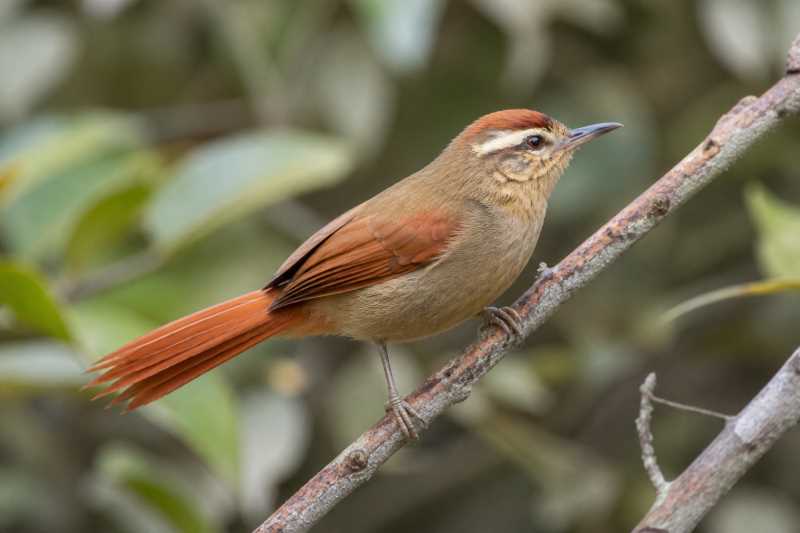
The Pallid Spinetail is a member of the Furnariidae family, which is notable for its diverse range of species adapted to various habitats across Central and South America. Characterized by its slender body, the Pallid Spinetail measures approximately 15 centimeters in length, sporting a distinctive pale brown plumage that allows it to blend seamlessly into its forested environment. Its long, graduated tail and pointed bill are key features that aid in its identification.
Despite its understated coloration, the Pallid Spinetail possesses a charm that bird enthusiasts find irresistible. Its subtle nuances of feather color and its agile movements through dense foliage make it a delightful subject for birdwatchers and researchers alike.
Habitat and Distribution
Cranioleuca pallida is predominantly found in the Atlantic Forest biome, which stretches along the eastern coast of Brazil, extending into parts of Argentina and Paraguay. This region is characterized by its rich biodiversity, hosting a multitude of endemic species. The Pallid Spinetail typically inhabits lowland and montane forests, thriving in areas with dense undergrowth and abundant leaf litter, which provide ample foraging opportunities.
The bird’s preference for such habitats underscores the importance of forest conservation, as deforestation poses a significant threat to its population. The Atlantic Forest, once expansive, has been dramatically reduced due to agricultural expansion, urbanization, and logging. Consequently, the Pallid Spinetail’s habitat is increasingly fragmented, posing challenges for its survival.
Behavior and Diet
The Pallid Spinetail is an active forager, often seen flitting through the understory in search of insects and other small invertebrates. Its diet primarily consists of arthropods, which it skillfully extracts from the crevices of bark and foliage. The bird’s slender bill is perfectly adapted for probing into tight spaces, allowing it to access hidden prey.
In addition to its insectivorous diet, the Pallid Spinetail occasionally consumes small amounts of fruit and seeds, particularly during times when insect abundance is low. This dietary flexibility is crucial for its survival in a habitat that can experience seasonal fluctuations in food availability.
The species is typically observed in pairs or small family groups, maintaining a territory that they defend vigorously against intruders. Vocal communication is an integral part of their social behavior, with a repertoire of calls used for mate attraction, territory defense, and coordination during foraging.
Breeding and Reproduction
The breeding season of the Pallid Spinetail coincides with the onset of the wet season, which varies geographically. Nesting occurs in tree cavities or within dense vegetation, where the female constructs a cup-shaped nest from twigs, leaves, and other plant materials. The choice of nesting site is critical, as it offers protection from predators and harsh weather conditions.
Typically, the female lays two to three eggs, which are incubated for approximately 15 to 18 days. Both parents share the responsibility of feeding the chicks, which fledge after about two weeks. The high level of parental care ensures a relatively high survival rate for the young, although predation and environmental factors can impact breeding success.
Conservation Status and Efforts
The Pallid Spinetail is currently classified as "Least Concern" by the International Union for Conservation of Nature (IUCN). However, this status belies the ongoing threats posed by habitat destruction and fragmentation. Conservation efforts are paramount to ensure the long-term survival of this species and the broader ecological community it inhabits.
Several initiatives are underway to protect the Atlantic Forest, involving reforestation projects, the establishment of protected areas, and community engagement programs aimed at sustainable land use practices. These efforts are crucial not only for the Pallid Spinetail but also for the myriad of other species that depend on this vital ecosystem.
Conclusion
The Pallid Spinetail, with its subtle beauty and ecological significance, serves as a reminder of the intricate connections within our natural world. Understanding and preserving the habitats that support such species are critical steps toward safeguarding biodiversity. As we continue to learn more about the Pallid Spinetail and its environment, it is imperative that conservation efforts are prioritized to ensure that future generations can also appreciate this remarkable bird.
By fostering a deeper appreciation and knowledge of species like the Pallid Spinetail, we can contribute to a more harmonious coexistence with nature, ultimately benefiting both wildlife and humanity.
Related posts