Zapata Sparrow: A Jewel of Cuban Avifauna
The Zapata Sparrow, scientifically known as Torreornis inexpectata, is a remarkable bird species that is unique to the picturesque landscapes of Cuba. This elusive and charismatic bird is not only a vital component of the island’s rich biodiversity but also a symbol of the delicate balance of the Cuban ecosystem. With its distinctive appearance and ecological significance, the Zapata Sparrow has captivated ornithologists and bird enthusiasts alike.
Taxonomy and Evolutionary Background
The Zapata Sparrow belongs to the Passerellidae family, which encompasses a diverse group of New World sparrows. The species was first described in 1926 by Thomas Barbour and James Lee Peters, based on specimens collected from the Zapata Swamp. The scientific name Torreornis inexpectata reflects both its unexpected discovery and its unique characteristics.
The evolutionary history of the Zapata Sparrow is a fascinating tale of adaptation and survival. Its closest relatives are believed to have originated from North America, with the sparrow diverging and evolving distinct traits to thrive in Cuba’s specific habitats.
Habitat and Distribution
The Zapata Sparrow is endemic to Cuba, with its range restricted to three main regions: the Zapata Swamp, Cayo Coco, and Cayo Romano. Each of these locations presents a unique set of environmental conditions that the sparrow has adapted to over time.
The Zapata Swamp, a UNESCO Biosphere Reserve, is a vast wetland area that provides a rich mosaic of habitats, including marshlands, mangroves, and grasslands. This area serves as the primary stronghold for the species, offering abundant resources and complex ecological interactions.
On the other hand, the populations found on Cayo Coco and Cayo Romano inhabit coastal scrub and dry forest environments. These areas are characterized by their sandy soils and xerophytic vegetation, showcasing the sparrow’s ability to adapt to varying ecological niches.
Physical Characteristics
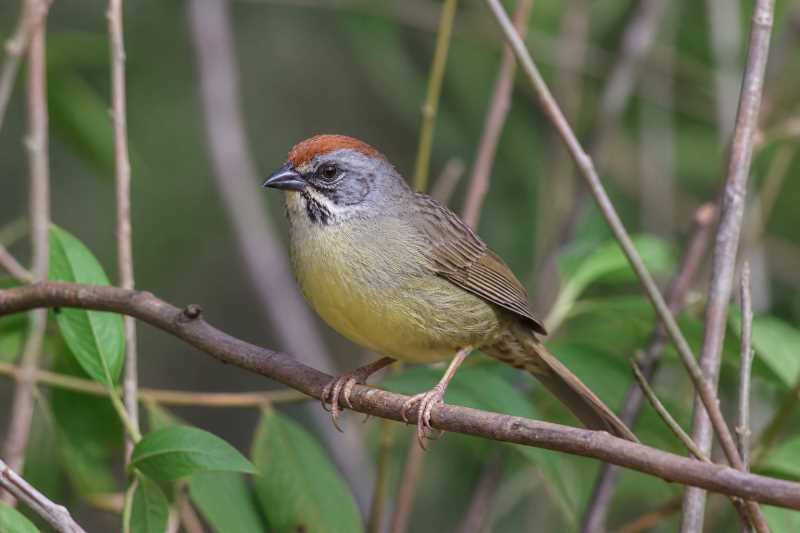
The Zapata Sparrow is a medium-sized sparrow, measuring approximately 16.5 to 17.5 cm in length. Its plumage is predominantly grayish-brown, providing excellent camouflage against the backdrop of its natural habitat. One of the most striking features of the Zapata Sparrow is its bright yellow throat and breast, which contrast sharply with its otherwise muted coloration.
The sparrow’s head is adorned with a distinct white supercilium, or eyebrow stripe, which enhances its visual appeal. Additionally, the bird exhibits a stout, conical bill that is well-suited for its omnivorous diet.
Behavior and Ecology
Zapata Sparrows are known for their elusive nature, often remaining hidden in dense vegetation, which makes observation challenging. They are predominantly ground-dwelling birds, foraging on the forest floor for seeds, insects, and other small invertebrates. This omnivorous diet allows them to exploit a wide range of food resources, contributing to their survival in diverse habitats.
Socially, Zapata Sparrows are relatively solitary, although they may be observed in small groups during the breeding season. Their vocalizations are soft and melodious, consisting of a variety of whistles and trills that are used for communication and territorial defense.
The breeding season for the Zapata Sparrow is closely tied to the wet season, which typically occurs from May to October. During this time, the birds construct cup-shaped nests hidden within the dense vegetation, where they lay two to three eggs. Both parents participate in feeding and caring for the chicks, ensuring a high level of parental investment.
Conservation Status and Threats
The Zapata Sparrow is currently classified as "Near Threatened" by the International Union for Conservation of Nature (IUCN). This status reflects the species’ limited distribution and the ongoing threats to its habitat.
Habitat loss and degradation pose significant challenges to the Zapata Sparrow’s survival. Agricultural expansion, drainage of wetlands, and deforestation are primary drivers of habitat destruction in Cuba. Additionally, climate change and rising sea levels threaten the integrity of coastal habitats, potentially reducing the available range for the sparrow.
Conservation efforts are underway to protect the Zapata Sparrow and its habitat. These include the establishment of protected areas, habitat restoration projects, and environmental education initiatives aimed at raising awareness about the importance of preserving Cuba’s unique biodiversity.
Conclusion
The Zapata Sparrow is an emblematic species that embodies the rich natural heritage of Cuba. Its presence is a testament to the island’s ecological diversity and resilience. Protecting the Zapata Sparrow and its habitats is a collective responsibility that requires the collaboration of local communities, conservation organizations, and governments. By safeguarding this remarkable bird, we can ensure the preservation of Cuba’s unique ecosystems for future generations to appreciate and enjoy.
Related posts