The Golden Dove: An Enchanting Spectacle of Nature’s Palette
The Golden Dove (Ptilinopus luteovirens), a lesser-known but extraordinarily captivating member of the Columbidae family, garners admiration and interest due to its striking plumage and elusive nature. Found predominantly in the dense, verdant rainforests of the Pacific islands, this avian wonder stands as a testament to the diversity and beauty of birdlife in these regions.
A Glimpse into Taxonomy and Morphology
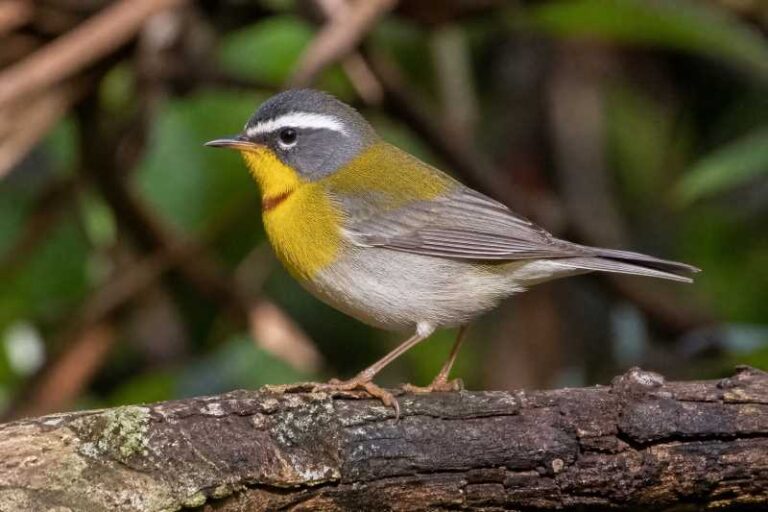
Taxonomically classified under the genus Ptilinopus, the Golden Dove shares its lineage with a variety of other fruit doves, each graced with their unique colorations and adaptations. Ptilinopus luteovirens, however, distinguishes itself with its resplendent golden-yellow feathers that seem to shimmer in the dappled forest light. This vibrant coloration is not just for show; it plays a crucial role in their mating rituals and territorial displays.
Measuring approximately 20 centimeters in length, the Golden Dove sports a compact and rounded body, characteristic of the fruit dove genus. Its plumage is predominantly golden, with subtle hues of green and yellow that create a mesmerizing visual effect. The bird’s eyes are a vivid red, providing a stark contrast to its otherwise golden appearance, and its beak is small but stout, adapted for its fruit-based diet.
Habitat and Distribution
The Golden Dove is primarily found on the islands of Fiji, where it inhabits the lowland forests and mid-montane regions. These areas provide ample food resources and dense canopy cover, essential for both nesting and evading predators. The bird’s range is relatively restricted, making it a species of interest for conservationists and ornithologists alike.
While their populations are currently stable, the Golden Dove’s habitat is under constant threat from deforestation and human encroachment. Conservation efforts are imperative to ensure the survival of this species, as their restricted range makes them particularly vulnerable to environmental changes.
Feeding Habits and Diet
As frugivores, Golden Doves play a pivotal role in their ecosystems, primarily feeding on a diet of fruits, berries, and occasionally seeds. Their feeding habits aid in seed dispersal, contributing significantly to the health and regeneration of their forest habitats. The birds are often observed foraging in the upper canopy, their distinct coloration allowing them to blend seamlessly with the tropical foliage.
During feeding, the Golden Dove exhibits remarkable dexterity, plucking fruits with precision and swallowing them whole. This behavior not only showcases their adaptability but also underscores the intricate balance of their ecological niche.
Breeding and Social Behavior
Golden Doves are monogamous, forming long-term pair bonds that underscore their nurturing nature. The breeding season typically aligns with the abundance of food resources, ensuring that the offspring have ample nourishment during their early development.
Nests are often constructed in the upper branches of trees, providing both safety from ground predators and a vantage point for surveying their territory. These nests are relatively rudimentary, composed of twigs and leaves, woven together to form a stable platform for egg incubation.
The female usually lays a single egg, which both parents incubate. This shared responsibility extends to the feeding and rearing of the chick, with both parents taking turns to forage and protect their young. This cooperative behavior is indicative of the species’ strong pair bonds and social structure.
Conservation Status and Efforts
Classified as Near Threatened by the International Union for Conservation of Nature (IUCN), the Golden Dove’s restricted range and the ongoing threat to its habitat necessitate immediate conservation attention. Efforts are underway to protect the remaining tracts of forest in Fiji, with initiatives focusing on sustainable land-use practices and community engagement in conservation.
Ecotourism has also emerged as a potential avenue for promoting the conservation of the Golden Dove, with birdwatching tours highlighting the species as a focal attraction. By fostering an appreciation for these birds, conservationists hope to galvanize local and international support for preserving their habitats.
Conclusion
The Golden Dove, with its resplendent plumage and ecological significance, embodies the richness of biodiversity found within the Pacific islands. Its survival hinges on the concerted efforts of conservationists, policymakers, and local communities working together to safeguard the delicate ecosystems that these birds call home. As we strive to protect this captivating species, we also preserve a fragment of nature’s artistry, ensuring that future generations can marvel at the dazzling spectacle of the Golden Dove.
Related posts