The Andaman Wood Pigeon: A Jewel of the Archipelago
The Andaman Wood Pigeon (Columba palumboides) stands as an emblematic species of the Andaman and Nicobar Islands, a unique archipelago nestled in the Bay of Bengal. Renowned for its vibrant appearance and distinctive characteristics, this bird offers a glimpse into the rich biodiversity and ecological significance of the region. In this article, we delve into the fascinating world of the Andaman Wood Pigeon, exploring its habitat, behavior, conservation status, and the challenges it faces in a rapidly changing environment.
Habitat and Distribution
The Andaman Wood Pigeon is endemic to the Andaman Islands, a group of islands that form part of India’s territory. This species prefers dense, moist, tropical forests that are prevalent in these islands. The lush greenery provides ample food resources and nesting sites, crucial for the survival of this pigeon. The bird’s distribution is primarily confined to the larger islands, including North Andaman, Middle Andaman, and South Andaman, though smaller populations may also inhabit adjacent islands.
The forests of the Andaman Islands are characterized by a rich diversity of flora, including many endemic species of trees and shrubs. The Andaman Wood Pigeon thrives in this environment, relying on the forest’s resources for sustenance. The availability of fruiting trees and a variety of seeds forms the core of the pigeon’s diet, making the preservation of these habitats critical for its survival.
Physical Characteristics
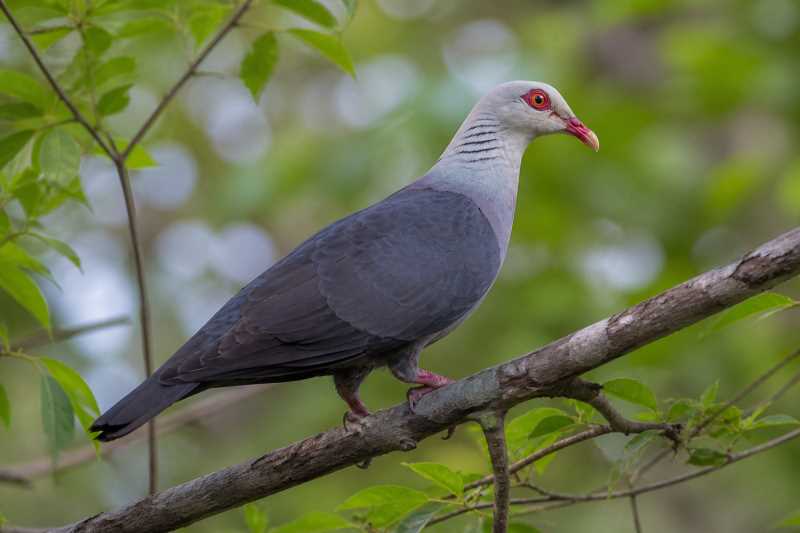
The Andaman Wood Pigeon is a medium-sized bird, measuring approximately 40 centimeters in length. It is known for its striking plumage, which features a combination of deep blues and purples, giving it a regal appearance. The bird’s head is a darker hue, while its wings display a lighter, iridescent sheen that glimmers in the sunlight. This coloration not only makes the pigeon visually appealing but also plays a role in its interaction with the environment, aiding in camouflage among the forest canopy.
The pigeon’s eyes are a vivid orange, set against a background of dusky feathers that cover its face and neck. Its strong, hooked beak is well-adapted for feeding on a variety of fruits, seeds, and small invertebrates. The Andaman Wood Pigeon is also noted for its distinctive call, a soft, cooing sound that resonates through the forest, serving as a means of communication among individuals.
Behavior and Ecology
The Andaman Wood Pigeon is predominantly arboreal, spending much of its time in the trees where it forages for food. It is a social bird, often seen in small flocks that move together through the forest canopy. This social structure plays a vital role in the bird’s survival, as it helps in locating food sources and provides protection against predators.
Breeding season for the Andaman Wood Pigeon usually coincides with the availability of food resources, ensuring that chicks have access to adequate nutrition during their developmental stages. Nests are typically constructed in the dense foliage of trees, offering protection from the elements and potential threats. The female usually lays two eggs, which are incubated by both parents. This shared responsibility enhances the survival rate of the offspring, fostering a strong family unit.
Conservation Status and Threats
The Andaman Wood Pigeon is currently classified as Near Threatened by the International Union for Conservation of Nature (IUCN). This status highlights the potential risks facing the species, driven primarily by habitat loss and degradation. The rapid pace of deforestation in the Andaman Islands, primarily due to logging, agriculture, and urban development, poses a significant threat to the pigeon’s habitat.
In addition to habitat loss, invasive species represent another critical threat. Non-native predators, such as rats and cats, have been introduced to the islands, preying on eggs and young pigeons. These invasive species disrupt the natural ecosystem balance, further exacerbating the challenges faced by the Andaman Wood Pigeon.
Conservation efforts are crucial to ensure the survival of this species. Initiatives focused on habitat preservation, reforestation, and the control of invasive species are essential components of a comprehensive conservation strategy. Public awareness and community involvement are also vital in fostering a sustainable relationship between human activities and the natural environment of the Andaman Islands.
The Role of the Andaman Wood Pigeon in Ecosystem Health
The Andaman Wood Pigeon plays a significant role in maintaining the ecological balance of its habitat. As a frugivore, it aids in seed dispersal, facilitating the regeneration and spread of various plant species. This natural process contributes to the health and diversity of the forest ecosystem, promoting resilience against environmental changes.
Moreover, the presence of the Andaman Wood Pigeon is an indicator of forest health. A thriving population of these birds suggests a well-functioning ecosystem with adequate food resources and habitat stability. Conversely, a decline in their numbers could signal underlying issues such as habitat degradation or overexploitation of natural resources.
Conclusion
The Andaman Wood Pigeon embodies the rich natural heritage of the Andaman Islands, offering valuable insights into the region’s biodiversity and ecological dynamics. Protecting this species requires a concerted effort that balances conservation with sustainable development, ensuring that future generations can continue to witness the beauty and ecological significance of the Andaman Wood Pigeon.
In conclusion, the Andaman Wood Pigeon is more than just a bird; it is a vital component of the Andaman ecosystem and a symbol of the delicate balance between nature and human activity. By advocating for its conservation, we not only safeguard a unique species but also contribute to the preservation of a globally important biodiversity hotspot.
Related posts