The Rio de Janeiro Antbird: A Jewel of Brazil’s Avian Biodiversity
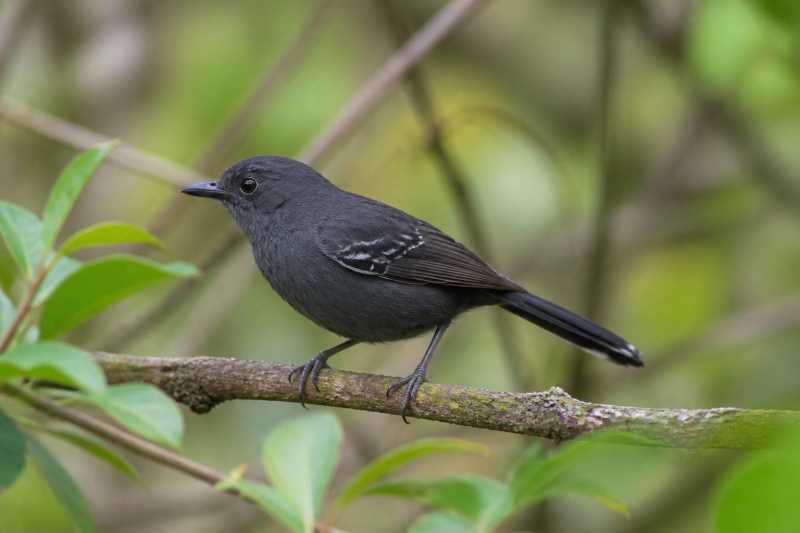
The Rio de Janeiro Antbird (Cercomacra brasiliana) is a captivating species that is emblematic of Brazil’s rich and diverse avian fauna. Found predominantly in the Atlantic Forest region, an area renowned for its biodiversity and endemism, this antbird is a testament to the unique ecological tapestry of South America. In this article, we delve into the fascinating world of the Rio de Janeiro Antbird, exploring its habitat, behavior, conservation status, and the challenges it faces in the wild.
Habitat and Distribution
The Rio de Janeiro Antbird is primarily located in the lowland and montane forests of the Atlantic Forest biome, which stretches along the eastern coast of Brazil. This region, although diminished and fragmented due to extensive deforestation, remains a critical habitat for numerous endemic species. The antbird thrives in dense undergrowth, often found near streams and swampy areas where it can forage for its primary food source, ants and other small insects.
This bird’s range is relatively restricted compared to other antbird species, being predominantly confined to the southeastern Brazilian states, including Rio de Janeiro, Espírito Santo, and southern Bahia. Within these areas, the antbird’s habitat is characterized by humid tropical and subtropical forests that provide ample cover and food resources.
Behavior and Ecology
The Rio de Janeiro Antbird is known for its secretive and elusive behavior, which makes it a challenge to spot in its natural habitat. It is a ground-dwelling bird, spending much of its time foraging in the leaf litter for ants, beetles, and other insects. The antbird’s diet is a critical component of its ecological role, as it helps control insect populations and contributes to the forest’s overall health.
In terms of social behavior, the Rio de Janeiro Antbird is typically observed either alone or in pairs, particularly during the breeding season. The breeding behavior of this species is a remarkable aspect of its life history. The antbird constructs a cup-shaped nest, often in low shrubbery or on the ground, where it lays a clutch of two to three eggs. Both parents are involved in incubation and care for the young, showcasing a cooperative approach to rearing their offspring.
Vocalizations are another intriguing aspect of the antbird’s behavior. The Rio de Janeiro Antbird is known for its distinctive song, which consists of a series of rapid, melodious notes. These vocalizations play a crucial role in territory establishment and maintenance, as well as in mate attraction during the breeding season.
Conservation Status and Threats
The Rio de Janeiro Antbird is currently classified as "Near Threatened" by the International Union for Conservation of Nature (IUCN). This status is primarily due to the extensive habitat loss and fragmentation of the Atlantic Forest. Over 85% of the original forest cover has been lost, largely due to agricultural expansion, urban development, and logging activities. As a result, the remaining forest patches are often small and isolated, making it difficult for species like the antbird to maintain viable populations.
Conservation efforts are underway to protect the remaining habitats of the Rio de Janeiro Antbird. Key strategies include the establishment of protected areas, restoration of degraded habitats, and the implementation of sustainable land-use practices. Additionally, environmental education and awareness campaigns are crucial in engaging local communities and stakeholders in conservation efforts.
The Role of the Rio de Janeiro Antbird in Ecosystem Health
The Rio de Janeiro Antbird plays a vital role in the health of the Atlantic Forest ecosystem. As an insectivore, it helps regulate insect populations, thereby maintaining a balance within the food web. Moreover, its presence is an indicator of forest health, as it requires intact habitats with dense undergrowth to thrive.
Conserving the Rio de Janeiro Antbird is not just about preserving a single species; it is about protecting the entire ecological community of which it is a part. This bird serves as a flagship species for broader conservation initiatives aimed at safeguarding the biodiversity of the Atlantic Forest.
Conclusion
The Rio de Janeiro Antbird is a remarkable example of the unique biodiversity found in the Atlantic Forest of Brazil. Its conservation is critical, not only for the survival of the species itself but also for the preservation of the ecological integrity of its habitat. By understanding the challenges it faces and the role it plays in the ecosystem, we can better appreciate the importance of protecting this and other species that call the Atlantic Forest home.
Through concerted conservation efforts and a commitment to sustainable development, there is hope that the Rio de Janeiro Antbird and its habitat can be preserved for future generations to admire and study. As we continue to uncover the stories of such incredible species, we are reminded of the intricate connections that bind all life on Earth, urging us to act as stewards of our planet’s natural heritage.
Related posts