Introduction
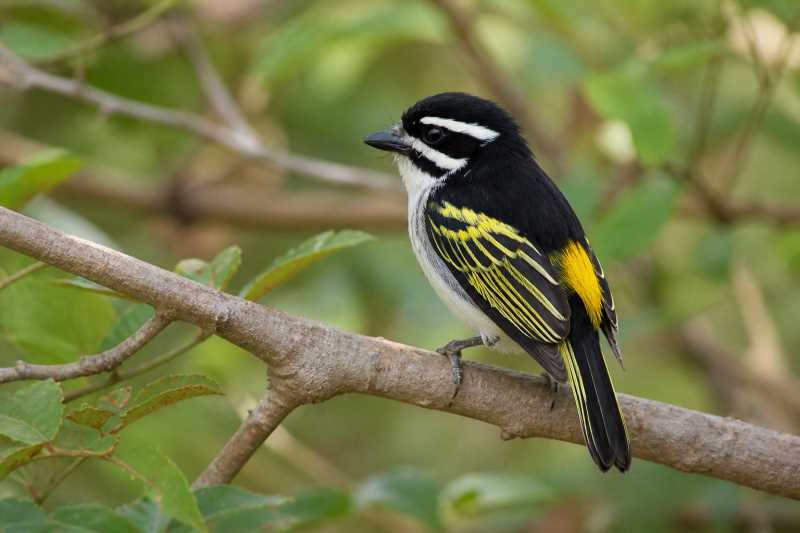
The Yellow-rumped Tinkerbird, scientifically known as Pogoniulus bilineatus, is a fascinating avian species that captivates bird enthusiasts with its distinctive characteristics and behaviors. Belonging to the family Lybiidae, this small bird is known for its colorful appearance and melodious call, making it a remarkable subject of study and admiration in the ornithological community. This article delves into the various aspects of the Yellow-rumped Tinkerbird, including its habitat, behavior, diet, and conservation status.
Taxonomy and Description
The Yellow-rumped Tinkerbird is a member of the African barbet family, Lybiidae, which is part of the order Piciformes. This small bird is often recognized by its striking plumage and distinct vocalizations. Measuring approximately 12 cm (4.7 inches) in length, it boasts a robust body with a short tail and a large head. Its beak is stout and slightly curved, adapted for its diet.
The bird’s most distinguishing feature is its vibrant coloration. Its upperparts are predominantly dark green to olive, while the rump and upper tail coverts are bright yellow, giving the bird its name. The underparts are paler, often creamy to yellowish in color. A prominent white stripe runs above the eye, and another below, creating a double-lined effect that further distinguishes this species. The eye is dark, and the legs and feet are grayish.
Habitat and Distribution
The Yellow-rumped Tinkerbird inhabits a variety of wooded environments across sub-Saharan Africa. Its range extends from West Africa, through Central Africa, and into the eastern regions of the continent. The bird is commonly found in open woodlands, forest edges, and savannas. It thrives in both primary and secondary forests, showing a preference for areas with abundant fruiting trees and shrubs.
These birds are generally sedentary, with limited migratory behavior observed. They are well-adapted to their environment and can often be seen foraging among the foliage or perching prominently while they vocalize.
Behavior and Vocalization
The Yellow-rumped Tinkerbird is known for its distinctive vocalizations, which are a key aspect of its behavior. Its call is a series of repetitive, high-pitched notes that resemble the sound of a tinkling bell, hence the name "tinkerbird." This call serves as a means of communication between individuals and is often heard during the early morning and late afternoon.
These birds are territorial and use their calls to establish and defend territories. The vocalizations play a crucial role during the breeding season, aiding in mate attraction and pair bonding. Yellow-rumped Tinkerbirds are often observed in pairs or small family groups, demonstrating social behaviors that contribute to their survival and reproductive success.
Diet and Feeding Habits
The diet of the Yellow-rumped Tinkerbird primarily consists of fruits, with a preference for figs and other soft berries. It plays a significant role in seed dispersal, thus contributing to the ecological balance of its habitat. In addition to fruits, this bird also consumes insects and small invertebrates, providing a balanced diet that supports its nutritional needs.
Foraging occurs predominantly in the tree canopy, where the bird uses its strong bill to pluck fruits and capture insects. The Yellow-rumped Tinkerbird exhibits a methodical foraging pattern, moving systematically through its territory in search of food resources.
Breeding and Nesting
Breeding typically coincides with the onset of the rainy season, which ensures an abundance of food for the growing chicks. The Yellow-rumped Tinkerbird is a cavity nester, often utilizing natural tree holes or excavating its own in soft wood. The female lays a clutch of 2 to 4 eggs, which both parents incubate.
Parental care is shared, with both the male and female participating in feeding and protecting the chicks until they fledge. The young birds remain with the parents for some time after leaving the nest, learning essential survival skills.
Conservation Status
Currently, the Yellow-rumped Tinkerbird is classified as Least Concern by the International Union for Conservation of Nature (IUCN). Despite its wide distribution, habitat loss due to deforestation and human encroachment poses a potential threat to its populations. Conservation efforts aimed at preserving forest habitats are vital to ensuring the long-term survival of this species.
Conclusion
The Yellow-rumped Tinkerbird, with its vibrant plumage and melodious calls, is a remarkable species that enriches the biodiversity of the African continent. Its role in seed dispersal and its unique behaviors make it an essential component of its ecosystem. Continued research and conservation efforts are essential to protect this species and the habitats it depends on, ensuring that future generations can enjoy the beauty and wonder of the Yellow-rumped Tinkerbird.
Related posts