Guira Tanager (Hemithraupis guira): A Vibrant Jewel of the Neotropics
The neotropical region is a treasure trove of avian diversity, boasting an array of colorful and fascinating bird species. Among these vibrant jewels is the Guira Tanager (Hemithraupis guira), a small yet charismatic bird that captivates birdwatchers and ornithologists alike. With its striking plumage and intriguing behaviors, the Guira Tanager is a species that warrants closer examination.
Taxonomy and Distribution
The Guira Tanager is a member of the Thraupidae family, which includes over 370 species of tanagers. Its scientific name, Hemithraupis guira, places it within the genus Hemithraupis, a group characterized by their slender builds and colorful feathers. This tanager is predominantly found in the lowland forests of South America, with its range extending from southern Venezuela and the Guianas through the Amazon Basin to Bolivia and western Brazil.
Occupying a variety of habitats, the Guira Tanager is primarily associated with humid forests, gallery forests, and forest edges. It is often observed in the midstory and canopy layers, where it forages for food and interacts with other bird species.
Physical Characteristics
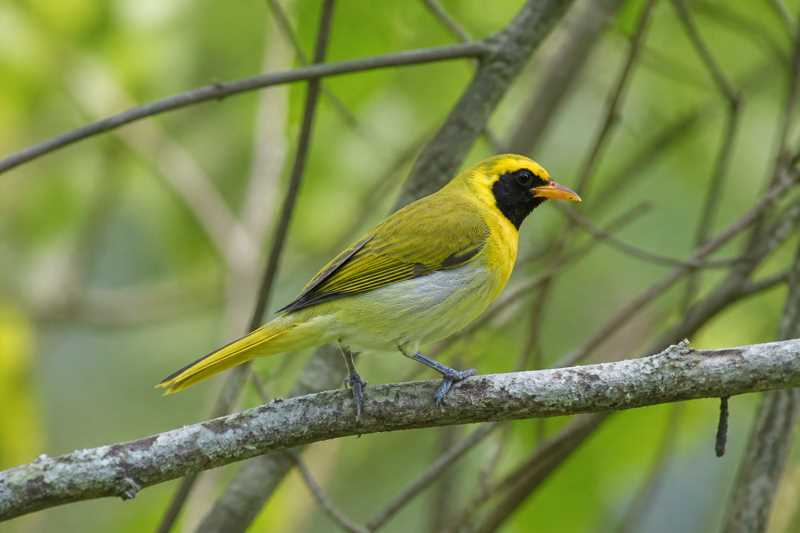
The Guira Tanager is a small bird, measuring approximately 12 to 13 centimeters in length and weighing around 10 to 14 grams. Its most striking feature is its vibrant plumage. Males typically display a bright yellow chest and belly, contrasted by a glossy black head, back, and wings. The bill is slender and pale, adapted for its insectivorous diet.
Females and juveniles, on the other hand, exhibit more subdued tones, with an olive-green body and a yellowish underbelly. These differences in coloration are typical of many tanager species, where sexual dimorphism plays a role in mate selection and camouflage.
Behavior and Diet
The Guira Tanager is primarily insectivorous, feeding on a variety of arthropods including beetles, caterpillars, and spiders. It is known to engage in "gleaning," a foraging technique where the bird picks insects from leaves and branches. This tanager is an agile and active forager, often seen flitting through the foliage in search of prey.
In addition to insects, the Guira Tanager occasionally consumes fruit, particularly during periods when insect prey is less abundant. This dietary flexibility allows it to adapt to seasonal variations in food availability, a trait that is advantageous in the dynamic environments it inhabits.
Social Structure and Reproduction
Guira Tanagers are often observed in mixed-species flocks, a behavior that enhances foraging efficiency and provides protection against predators. These flocks may include other tanagers, flycatchers, and warblers, creating a bustling community of birds that move through the forest in a cooperative manner.
The breeding season for the Guira Tanager varies across its range but generally coincides with the onset of the rainy season when food resources are plentiful. Nests are typically constructed in the midstory of the forest, where the female lays a clutch of two to three eggs. Both parents participate in feeding and caring for the chicks until they fledge.
Conservation Status
Currently, the Guira Tanager is classified as a species of "Least Concern" by the International Union for Conservation of Nature (IUCN). Its wide distribution and stable population numbers contribute to this assessment. However, like many forest-dependent species, the Guira Tanager faces threats from habitat loss and fragmentation due to deforestation and land-use changes.
Conservation efforts aimed at preserving tropical forests and promoting sustainable land management practices are essential to ensure the continued survival of this and other species in the region.
Cultural and Ecological Significance
The Guira Tanager holds cultural significance for local communities, often seen as a symbol of the rich biodiversity of the Amazon. Its vibrant appearance and active behavior make it a favorite among birdwatchers, contributing to eco-tourism in the regions where it is found.
Ecologically, the Guira Tanager plays a role in controlling insect populations, thus maintaining the balance of its forest ecosystem. Its interactions with fruiting plants also aid in seed dispersal, contributing to forest regeneration and health.
Conclusion
The Guira Tanager is a testament to the incredible diversity and beauty of the neotropical avifauna. Its vibrant plumage, dynamic behaviors, and ecological roles make it a species of great interest to those who study and appreciate the natural world. As conservation efforts continue, the Guira Tanager serves as a reminder of the importance of preserving the rich ecosystems of the Amazon and the myriad species that call it home.
Related posts