Discovering the Red-rumped Wheatear: A Jewel of the Arid Lands
The Red-rumped Wheatear, scientifically known as Oenanthe moesta, is a fascinating bird species that captures the attention of ornithologists and birdwatchers alike. Not only does this species boast unique adaptations to its arid environment, but it also plays a critical role in the ecosystems it inhabits. This article delves into the biology, habitat, behavior, and conservation status of the Red-rumped Wheatear, shedding light on its importance and the ongoing efforts to protect it.
Taxonomy and Identification
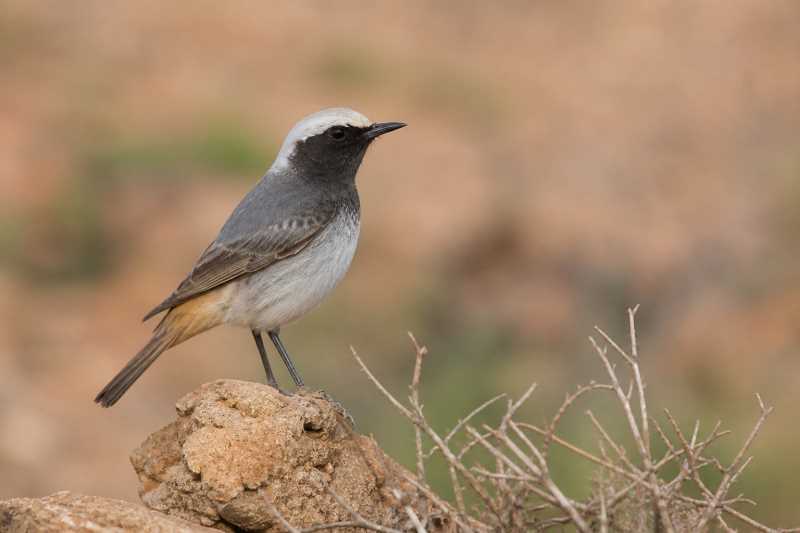
Belonging to the family Muscicapidae, the Red-rumped Wheatear is part of the wider group of wheatears, which are small, insectivorous passerine birds. The species is characterized by its striking plumage, with males displaying a distinctive red rump, hence the name. The male’s plumage typically includes a white underbody, black face, and a contrasting white crown. Female Red-rumped Wheatears, while more subdued in coloration, also exhibit the prominent red rump but have a more earthy-toned overall appearance.
The bird measures approximately 14 to 15 centimeters in length and has a wingspan of about 26 to 28 centimeters. Its robust build, combined with its unique coloration, makes it relatively easy to identify in the field. These visual markers are crucial for bird enthusiasts and researchers who study the species in their natural habitats.
Habitat and Distribution
Red-rumped Wheatears are predominantly found in North Africa, with populations extending into the Middle East. Their preferred habitats are arid and semi-arid regions, including rocky deserts, steppes, and scrublands. These environments provide the birds with ample feeding opportunities and nesting sites.
The species’ range extends across countries such as Morocco, Algeria, Tunisia, Libya, and parts of Egypt. In the Middle East, they have been recorded in areas of Israel and Jordan. The bird’s adaptability to harsh climates is remarkable, as it has evolved to thrive in environments where few other species can survive.
Behavior and Diet
The Red-rumped Wheatear is primarily insectivorous, feeding on a diet of beetles, ants, grasshoppers, and other small invertebrates. It forages on the ground, often seen hopping or running in short bursts to catch its prey. Its feeding behavior is characterized by quick, darting movements, which are both efficient and effective in the open landscapes it inhabits.
During the breeding season, which typically occurs between March and July, males become particularly territorial, often engaging in aerial displays to attract females and deter rivals. The species is monogamous, with pairs working together to build nests in crevices or under rocks. The female lays a clutch of 3 to 5 pale eggs, which she incubates with the assistance of the male.
Vocalizations
The Red-rumped Wheatear is known for its melodious song, which is a series of clear, whistling notes. Males often sing from elevated perches, such as rocks or low shrubs, to communicate with mates and assert their presence in the territory. The song is an integral part of their courtship and territorial behaviors, contributing to the social dynamics within their populations.
Conservation Status
Currently, the Red-rumped Wheatear is listed as a species of Least Concern by the International Union for Conservation of Nature (IUCN). Despite this status, it faces several threats that could impact its populations if not addressed. Habitat loss due to agricultural expansion and urbanization poses a significant risk, as these activities reduce the availability of suitable nesting and foraging sites.
Climate change also presents a looming threat by altering the arid environments that the species relies on. Increasing temperatures and changing precipitation patterns can affect the availability of food and water, potentially leading to population declines.
Conservation efforts aimed at preserving the natural habitats of the Red-rumped Wheatear are crucial. Protecting key areas from development and promoting sustainable land-use practices can help ensure the survival of this species. Additionally, ongoing research and monitoring are essential to understanding population trends and implementing effective conservation strategies.
Conclusion
The Red-rumped Wheatear is a testament to the resilience and adaptability of life in harsh environments. Its vibrant plumage and engaging behaviors make it a favorite among birdwatchers, while its ecological role underscores the importance of conservation efforts. By safeguarding the habitats and addressing the challenges faced by this remarkable species, we contribute to the preservation of biodiversity in some of the world’s most extreme landscapes.
As we continue to study and appreciate the Red-rumped Wheatear, we are reminded of the intricate balance that exists within nature and the responsibility we bear to protect it for future generations.
Related posts