Introduction
The Orange Ground Thrush (Geokichla gurneyi) is a captivating avian species known for its distinctive plumage and melodious song. This bird is part of the Turdidae family, encompassing a variety of thrushes renowned for their rich vocalizations and varied habitats. Found primarily in the forests and woodlands of Sub-Saharan Africa, the Orange Ground Thrush is an intriguing subject for ornithologists and bird enthusiasts alike.
Taxonomy and Nomenclature
Belonging to the genus Geokichla, the Orange Ground Thrush was first described by the British ornithologist George Ernest Shelley in 1877. Its scientific name, Geokichla gurneyi, is a tribute to John Henry Gurney, a notable English banker and amateur ornithologist. The species is closely related to other members of the Geokichla genus, which are distributed across Asia and Africa.
Physical Description
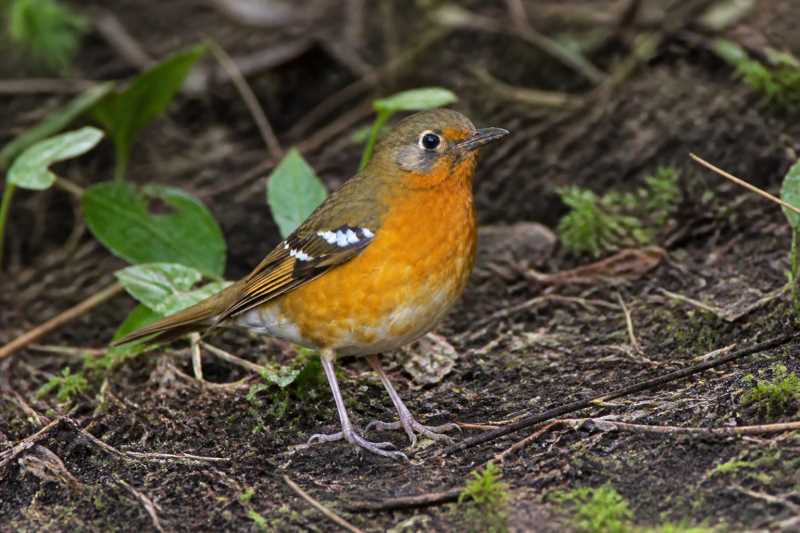
The Orange Ground Thrush is easily recognizable due to its vibrant orange underparts, contrasting sharply with its olive-brown upperparts. The bird’s head features a distinctive pattern, with a white supercilium (eyebrow line) and a black eye-stripe. Its wings are marked with white and brown bars, providing excellent camouflage in its natural habitat.
Adult Orange Ground Thrushes typically measure between 20 to 23 centimeters in length, with a wingspan ranging from 30 to 34 centimeters. Males and females are similar in appearance, although males may exhibit slightly brighter plumage during the breeding season.
Habitat and Distribution
The Orange Ground Thrush inhabits montane and sub-montane forests, woodlands, and dense bush areas across eastern and southern Africa. Its range extends from Kenya and Tanzania in the north to South Africa in the south. Within these regions, the bird prefers altitudes ranging from 1000 to 3000 meters, where it can find ample food and nesting sites.
These birds are often found in moist, shaded environments with plenty of leaf litter, which they forage through for insects and other invertebrates. Their presence is a good indicator of healthy forest ecosystems, as they rely on diverse habitats for feeding and nesting.
Behavior and Ecology
Orange Ground Thrushes are predominantly terrestrial birds, spending much of their time on the forest floor. They forage by turning over leaf litter in search of insects, spiders, and other small invertebrates. Occasionally, they may also consume fruits and berries, particularly during the breeding season when they require additional energy.
These birds are known for their melodious and complex songs, which are used to establish territories and attract mates. The song of the Orange Ground Thrush is a series of clear, flute-like notes, often delivered from a concealed perch within the forest canopy.
Breeding and Reproduction
Breeding typically occurs during the rainy season when food resources are plentiful. The Orange Ground Thrush builds a cup-shaped nest using twigs, leaves, and moss, usually placed in a fork of a tree or bush. The female lays a clutch of 2 to 3 eggs, which she incubates for about 14 days. Both parents participate in feeding and caring for the chicks, which fledge approximately 16 to 18 days after hatching.
Conservation Status
Currently, the Orange Ground Thrush is listed as Least Concern by the International Union for Conservation of Nature (IUCN). Despite this relatively stable status, the species faces threats from habitat loss due to deforestation and land conversion for agriculture. Conservation efforts are vital to preserving the bird’s natural habitats and ensuring its continued survival.
Importance to Ecosystems
As insectivores, Orange Ground Thrushes play a crucial role in controlling insect populations within their ecosystems. Their foraging activities also contribute to the aeration of soil and the cycling of nutrients, enhancing forest health and biodiversity.
Conclusion
The Orange Ground Thrush is a remarkable example of avian adaptation and resilience. Its striking appearance, enchanting song, and ecological significance make it a valuable species within its natural habitat. Continued research and conservation efforts are essential to understanding and preserving this beautiful bird for future generations.
References
- BirdLife International. "Geokichla gurneyi." The IUCN Red List of Threatened Species.
- Collar, N.J., et al. "Thrushes." Handbook of the Birds of the World Alive.
- Sinclair, I., and Ryan, P. "Birds of Africa South of the Sahara."
Additional Resources
Related posts