The Remarkable White-banded Mockingbird: A Symphony of Adaptation and Song
The natural world is replete with avian wonders, each species offering its own distinct melody and ecological contribution. Among these, the White-banded Mockingbird (Mimus triurus) stands out, not only for its striking appearance but also for its impressive adaptability and vocal prowess. Native to South America, this bird has captured the attention of ornithologists and birdwatchers alike, making it a subject of fascination and study.
Appearance and Identification
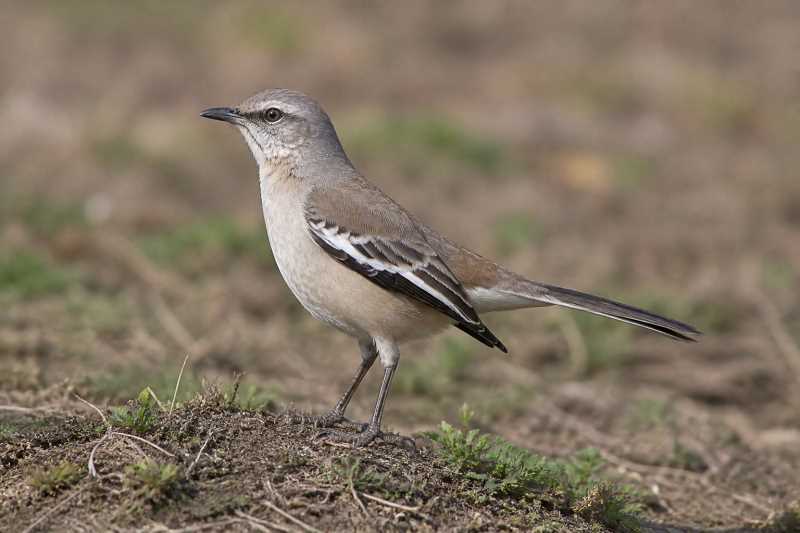
The White-banded Mockingbird is easily recognizable thanks to its distinctive plumage. It boasts a conspicuous white band across its wings, which is particularly visible during flight. This feature, coupled with its sleek, greyish body and contrasting black tail and wings, makes it a striking bird to observe. Its size is moderate, typically measuring around 25 centimeters in length, making it larger than many of its mimid relatives.
One of the most captivating aspects of this bird’s appearance is its sharp, expressive eyes, which seem to convey the intelligence and alertness that the species is known for. The combination of its physical characteristics not only facilitates its identification but also adds to its aesthetic appeal, making it a favorite subject for photographers and artists.
Habitat and Distribution
The White-banded Mockingbird is predominantly found in the open and semi-open landscapes of South America. Its range extends across countries such as Argentina, Uruguay, Paraguay, Bolivia, and Brazil. The bird is particularly fond of savannas, grasslands, and shrublands but is also known to thrive in urban and suburban areas where suitable conditions exist.
This adaptability to diverse habitats is a testament to its resilience and resourcefulness. Unlike many bird species that are threatened by habitat loss, the White-banded Mockingbird has managed to maintain stable populations, partly due to its ability to exploit human-altered environments. This trait underscores its ecological versatility and has piqued the interest of researchers studying the impacts of urbanization on wildlife.
Behavior and Diet
The White-banded Mockingbird is renowned for its mimicry skills, a hallmark of the mimid family to which it belongs. It possesses the ability to imitate the calls of a wide variety of other bird species, as well as other sounds from its environment. This vocal dexterity is not only a fascinating spectacle but also serves important functions in communication and territory defense.
In terms of diet, the White-banded Mockingbird is omnivorous. Its feeding habits include consuming insects, fruits, and small invertebrates. This dietary flexibility allows it to thrive in various environments, providing another example of its adaptive capabilities.
Breeding and Life Cycle
The breeding season for the White-banded Mockingbird typically occurs during the warmer months, varying slightly depending on its geographical location. The species is known for its monogamous pair bonds, with both parents participating in the care of their young. Nests are usually constructed in dense shrubs or trees, providing protection from predators.
During the breeding season, males are particularly vocal, using their song to attract mates and establish territories. The courtship rituals of these birds involve both vocal displays and physical posturing, showcasing their vibrant personalities and the importance of song in their social interactions.
Conservation Status
Currently, the White-banded Mockingbird is classified as a species of Least Concern by the International Union for Conservation of Nature (IUCN). This status reflects its widespread distribution and stable population numbers. However, continuous monitoring is essential to ensure that potential threats, such as habitat destruction and climate change, do not adversely affect its populations in the future.
The bird’s adaptability has undoubtedly played a role in its current conservation status, but it remains crucial to preserve the natural habitats that support its life cycle. Conservation efforts should focus on maintaining the ecological health of grasslands and savannas, which are vital to the survival of this and many other species.
The Cultural Significance of Mockingbirds
Mockingbirds, including the White-banded species, have long held a place in human culture and literature, often symbolizing freedom, mimicry, and the beauty of nature. Their songs have inspired poets, musicians, and writers, who have drawn parallels between the birds’ vocalizations and human creativity.
In many cultures, the mockingbird’s ability to mimic is seen as a metaphor for adaptability and resilience, qualities that are increasingly relevant in today’s changing world. By studying and appreciating these birds, we not only gain insight into the natural world but also reflect on our own place within it.
Conclusion
The White-banded Mockingbird is a remarkable bird that exemplifies the beauty and complexity of the natural world. Its striking appearance, vocal talents, and adaptability make it a fascinating subject for study and admiration. As we continue to explore and understand the intricacies of this species, we are reminded of the importance of preserving the habitats that sustain such incredible biodiversity.
Through ongoing research and conservation efforts, we can ensure that the White-banded Mockingbird continues to thrive, delighting future generations with its song and presence in the wild. This bird serves as a testament to the resilience of nature and the enduring wonder it holds for those who take the time to observe and listen.
Related posts