The Brown Skua: A Master of Survival in the Antarctic
The Brown Skua (Stercorarius antarcticus), often known simply as the Antarctic Skua, is a fascinating seabird that has adapted remarkably well to the harsh conditions of the Southern Ocean. Renowned for its predatory skills and resourcefulness, the Brown Skua is a master of survival, showcasing behaviors that are both intriguing and complex.
Physical Characteristics
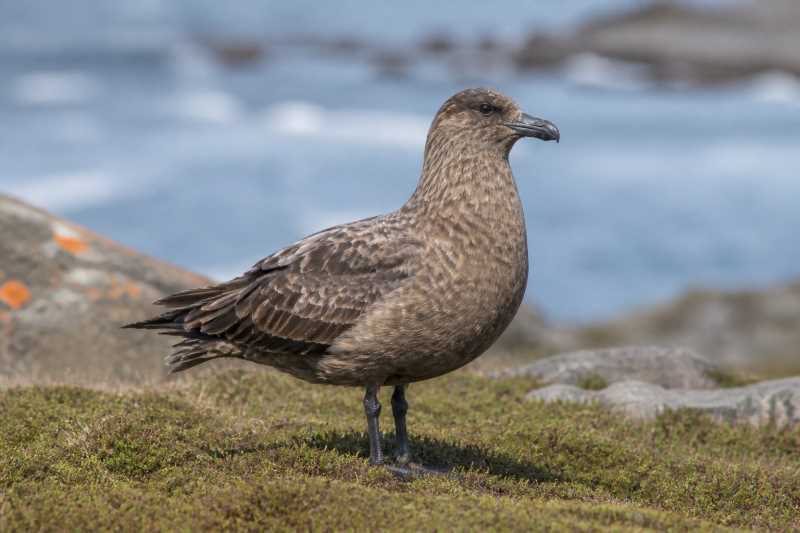
The Brown Skua is a robust bird, measuring approximately 50-60 cm in length with a wingspan of 125-140 cm. Its plumage is predominantly dark brown, providing excellent camouflage against the rocky, barren landscapes it often inhabits. The bird’s stout body, powerful wings, and hooked beak are perfectly suited for its predatory lifestyle. Its eyes are sharp and keen, aiding in the detection of prey from considerable distances.
Habitat and Distribution
Brown Skuas are primarily found in the sub-Antarctic and Antarctic regions, with significant populations on islands such as South Georgia, the Falkland Islands, and the Antarctic Peninsula. They prefer rocky coastal areas where they can easily access the sea for food and have suitable nesting sites.
Feeding Habits
The Brown Skua is an opportunistic feeder with a varied diet that includes fish, squid, carrion, and the eggs and chicks of other seabirds. It is particularly notorious for its kleptoparasitic behavior, often harassing other birds such as penguins and petrels to steal their food. This aggressive foraging strategy is not only a testament to its adaptability but also a critical survival tactic in the nutrient-scarce environment of the Antarctic.
Breeding and Reproduction
Brown Skuas are monogamous birds, forming long-term pair bonds. They breed during the austral summer, with nests typically constructed in shallow depressions on the ground, lined with grass, moss, or feathers. A typical clutch consists of two eggs, which both parents incubate for about 28-30 days. The chicks are precocial, meaning they are relatively mature and mobile from the moment of hatching, although they remain dependent on their parents for food and protection.
Behavioral Adaptations
One of the most striking features of the Brown Skua is its highly aggressive behavior, especially during the breeding season. The birds are fiercely territorial, often engaging in aerial skirmishes to defend their nesting areas from intruders. This aggressiveness is not limited to other birds; Brown Skuas have been known to attack humans who venture too close to their nests.
Conservation Status
Currently, the Brown Skua is listed as Least Concern by the International Union for Conservation of Nature (IUCN) due to its large and stable population size. However, like many Antarctic species, it faces potential threats from climate change, which could alter its habitat and food availability. Additionally, increasing human activity in the Antarctic region poses a risk of habitat disturbance and pollution.
The Role of Brown Skuas in the Ecosystem
Brown Skuas play a vital role in their ecosystem as both predators and scavengers. By preying on other seabirds and cleaning up carrion, they help maintain the ecological balance. Their presence is also an indicator of the health of the Antarctic environment, as changes in their population can reflect shifts in the broader ecosystem.
Conclusion
The Brown Skua is a remarkable example of adaptation and resilience in one of the planet’s most formidable environments. Its ability to exploit a range of food sources, coupled with its aggressive and resourceful nature, makes it a successful survivor in the Antarctic. As we continue to study and understand these birds, they offer valuable insights into the complexities of life in extreme conditions and the broader impacts of environmental change.
In conclusion, the Brown Skua not only embodies the harsh beauty of the Antarctic wilderness but also serves as a reminder of the delicate balance required to sustain life in such a challenging ecosystem. Continued research and conservation efforts are essential to ensure that this formidable bird remains an integral part of the Antarctic landscape.
References
- Watson, G. E., & Olson, S. L. (1970). The status, relationships, and distribution of the Brown Skua.
- Furness, R. W. (1987). The Skuas. T & AD Poyser.
- Robertson, G., & Gales, R. (1998). Albatross: Biology and Conservation.
Meta Title
"Brown Skua: Survival in the Antarctic Wilderness"
Meta Description
"Explore the Brown Skua, its unique adaptations, behaviors, and role in the Antarctic ecosystem. Discover the secrets of this formidable seabird."
Related posts