The Burmese Collared Dove: A Closer Look at Streptopelia xanthocycla
The avian world is a tapestry of diverse and fascinating species, each with unique traits and behaviors that capture the interest of ornithologists and bird enthusiasts alike. Among these captivating creatures is the Burmese Collared Dove (Streptopelia xanthocycla), a bird that embodies both elegance and adaptability. This article delves into the characteristics, habitat, behavior, and conservation status of the Burmese Collared Dove, offering insights into a species that is both familiar and enigmatic.
Taxonomy and Physical Description
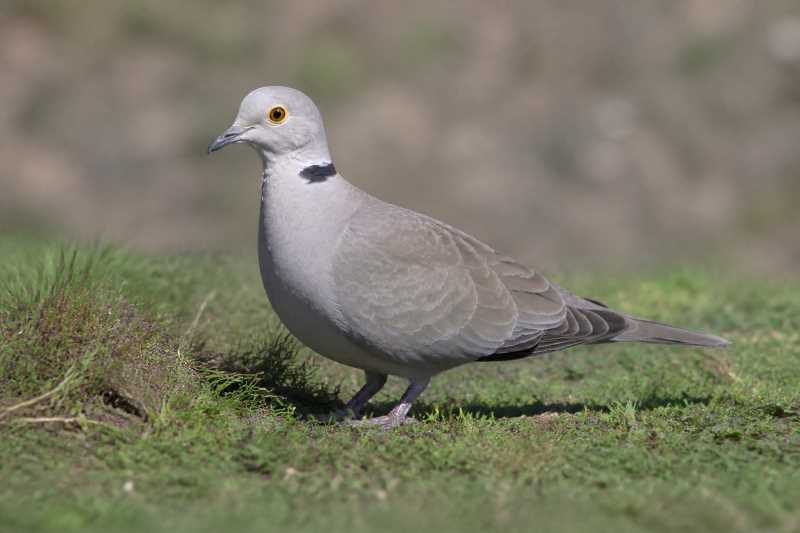
The Burmese Collared Dove belongs to the Columbidae family, which includes pigeons and doves known for their stout bodies, short necks, and slender bills. Streptopelia xanthocycla stands out with its distinct features, notably the noticeable black half-collar on the back of its neck, which is a defining characteristic of collared doves. The plumage is generally a soft, earthy brown with a subtle pinkish hue on the breast, and the wings exhibit a paler, almost buff color.
An adult Burmese Collared Dove typically measures about 30 to 32 centimeters in length, with a wingspan ranging from 47 to 55 centimeters. Its eyes are a striking red, contrasting with the pale facial feathers and accentuating the bird’s gentle expression. The legs and feet are a reddish-pink, adding a splash of color to its otherwise subdued palette.
Habitat and Distribution
The Burmese Collared Dove is primarily found in Southeast Asia, with a distribution range that includes Myanmar (Burma), Thailand, Laos, and parts of Vietnam and Cambodia. These doves are highly adaptable, thriving in a variety of environments from rural farmlands and open woodlands to urban areas and city parks.
Their ability to adapt to different habitats has enabled them to maintain stable populations despite the encroachment of human activity. They are often seen perching on telephone wires, foraging on the ground in search of seeds and grains, or taking shelter in trees and shrubs.
Behavior and Ecology
Social and gregarious by nature, Burmese Collared Doves are often found in pairs or small groups. Their cooing calls are a familiar sound in their habitats, serving as both a mating call and a territorial warning. The call is a soft, rhythmic coo-coo-coo, which is repeated persistently, especially during the breeding season.
Breeding usually occurs from March to June, although in some regions, it can extend throughout the year. The doves build simple nests using twigs and grasses, typically located in the forks of tree branches or on building ledges. Clutch size is generally two eggs, which are incubated by both parents for about 14 to 16 days. The chicks fledge approximately two weeks after hatching, showcasing the species’ rapid reproductive cycle.
In terms of diet, the Burmese Collared Dove is primarily granivorous, feeding on seeds, grains, and occasionally small fruits. They are known to frequent bird feeders in urban settings, where they have become accustomed to supplementary food provided by humans.
Conservation Status and Threats
Currently, the Burmese Collared Dove is classified as a species of Least Concern by the International Union for Conservation of Nature (IUCN). This status is largely due to their wide distribution and adaptability to various habitats. However, like many bird species, they face threats from habitat destruction, climate change, and predation by invasive species.
Conservation efforts focus on habitat preservation and monitoring population trends to ensure that these doves remain a thriving part of the Southeast Asian avifauna. Public awareness and engagement are also crucial, encouraging communities to participate in bird-friendly initiatives and protect local biodiversity.
Conclusion
The Burmese Collared Dove is a testament to nature’s resilience and adaptability. Its ability to thrive in diverse environments and coexist with humans highlights the importance of fostering harmonious relationships between wildlife and human activity. As we continue to explore and understand the dynamics of avian species like Streptopelia xanthocycla, it becomes imperative to support conservation efforts that ensure their survival for generations to come.
In observing and appreciating the Burmese Collared Dove, we gain a deeper understanding of the intricate balance within ecosystems and the vital role that every species plays in maintaining ecological harmony. Whether in the bustling cities or serene countrysides of Southeast Asia, these doves serve as a reminder of the beauty and interconnectedness of our natural world.
Related posts