Ashy Wood Pigeon (Columba pulchricollis): A Comprehensive Guide
The Ashy Wood Pigeon, scientifically known as Columba pulchricollis, is an intriguing bird species known for its distinctive appearance and elusive nature. Found predominantly in the forests of South and Southeast Asia, this bird is a fascinating subject for ornithologists and bird enthusiasts alike. In this article, we delve into the taxonomy, habitat, behavior, and conservation of the Ashy Wood Pigeon.
Taxonomy and Identification
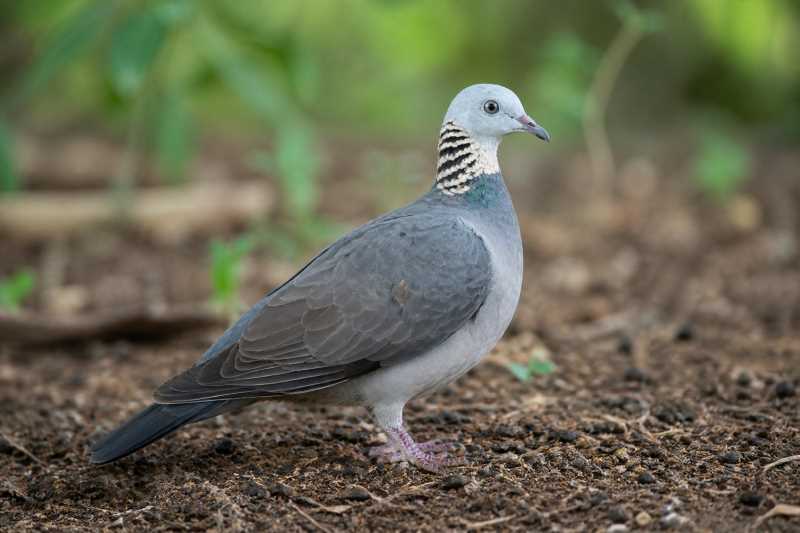
Belonging to the Columbidae family, the Ashy Wood Pigeon is closely related to other pigeon species found across the globe. Its scientific name, Columba pulchricollis, derives from Latin, with ‘Columba’ meaning ‘dove’ and ‘pulchricollis’ translating to ‘beautiful neck.’ This name aptly describes the bird’s striking neck plumage, which is one of its most recognizable features.
The Ashy Wood Pigeon is medium-sized, measuring about 37-40 cm in length. Its plumage is primarily ashy-gray, which serves as an excellent camouflage against the forest canopy. The neck feathers are iridescent, often displaying hues of green and purple when caught in sunlight. This pigeon also has a broad, rounded tail and strong, short legs, adapted for life in dense woodland habitats.
Habitat and Distribution
The Ashy Wood Pigeon inhabits subtropical and tropical moist lowland forests, as well as montane forests. Its geographical range extends across parts of the Indian subcontinent, including the northeastern states of India, Bhutan, Nepal, and Bangladesh. It is also found in Myanmar, southern China, and northern Thailand.
These pigeons prefer high-altitude forests, typically residing at elevations ranging from 1,500 to 3,000 meters. Their preference for dense, remote woodlands makes them less visible to casual observers, contributing to their elusive reputation.
Behavior and Diet
Ashy Wood Pigeons are primarily frugivorous, feeding on a variety of fruits, berries, and seeds. They play a crucial role in their ecosystem as seed dispersers, aiding in the propagation of numerous plant species. Occasionally, they may also consume small invertebrates, complementing their diet with essential proteins.
These pigeons are known for their shy and secretive behavior. They are solitary or found in small groups, seldom forming large flocks. Their call is a low, resonant cooing, which can be difficult to discern amidst the cacophony of forest sounds.
Breeding occurs from March to August, coinciding with the availability of abundant food resources. The Ashy Wood Pigeon typically nests in trees, constructing a simple platform of twigs. Females lay one or two eggs, which are incubated by both parents for about 17 to 19 days. The chicks fledge approximately three weeks after hatching.
Conservation Status
The Ashy Wood Pigeon is currently classified as Least Concern by the International Union for Conservation of Nature (IUCN). However, its population is suspected to be declining due to habitat loss and degradation. Deforestation for agriculture, logging, and infrastructure development poses significant threats to its natural habitat.
Conservation efforts focusing on habitat protection and reforestation are crucial for the long-term survival of the Ashy Wood Pigeon. Protected areas and national parks within its range play a vital role in providing refuge for this species and preserving the biodiversity of the region.
Importance in Biodiversity
The Ashy Wood Pigeon is an important component of its ecosystem, contributing to seed dispersal and forest regeneration. Its presence indicates a healthy, functioning forest ecosystem, making it a valuable indicator species for conservationists monitoring forest health.
Moreover, the bird holds cultural significance in some regions, where it is regarded as a symbol of peace and tranquility. Its unique appearance and the challenge of spotting it in the wild make it a coveted sighting for birdwatchers and photographers.
Conclusion
The Ashy Wood Pigeon is a remarkable bird that plays a significant role in maintaining the ecological balance of its habitat. While currently not at immediate risk of extinction, ongoing conservation efforts are essential to ensure its continued survival amidst growing environmental challenges. By understanding and appreciating the Ashy Wood Pigeon’s ecological and cultural importance, we can contribute to the preservation of this beautiful and elusive species for future generations.
Whether you are an avid birdwatcher or simply someone who appreciates the wonders of nature, the Ashy Wood Pigeon offers a glimpse into the rich biodiversity of the forests it inhabits. Its beauty, behavior, and ecological role make it a species worthy of study and conservation.
Related posts