The Blue-faced Malkoha: A Unique Avian Marvel
The Blue-faced Malkoha (Phaenicophaeus viridirostris) is an intriguing bird species that captivates both amateur birdwatchers and professional ornithologists alike. Belonging to the Cuculidae family, this species is predominantly found in the Indian subcontinent, where it inhabits a range of ecosystems from dense forests to open woodlands. Known for its distinctive appearance and interesting behaviors, the Blue-faced Malkoha is a fascinating subject of study in avian biology.
Distinctive Features
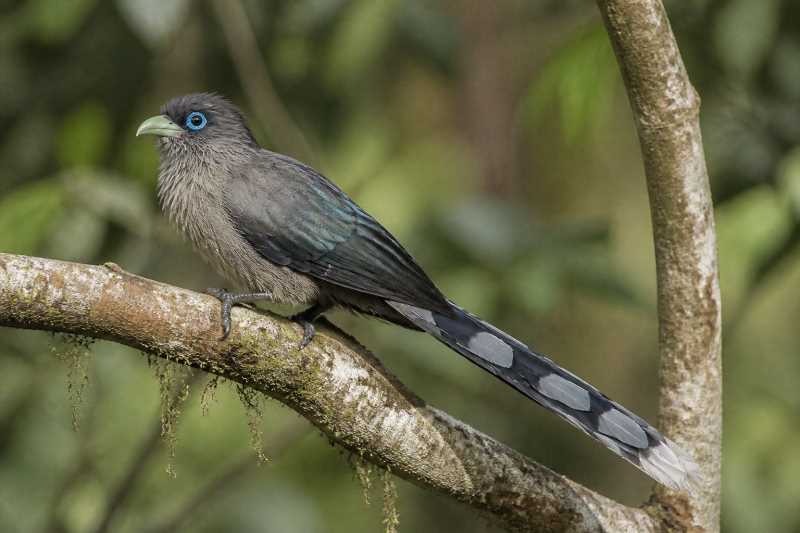
The Blue-faced Malkoha is easily recognizable by its striking facial features. As its name suggests, it has a vivid blue facial skin that contrasts sharply with its predominantly greenish-gray plumage. The bird’s long tail and robust body add to its elegant silhouette, while its curved bill, which is usually greenish or bluish in color, is perfectly adapted for its diet.
One of the most distinguishing characteristics of the Blue-faced Malkoha is its eye-ring, which is a bright blue and stands out against the surrounding feathers. This feature is not just an aesthetic trait but also plays a role in communication and mating displays. The bird’s eyes themselves are a dark red, adding to the dramatic appearance of its face.
Habitat and Distribution
The Blue-faced Malkoha is predominantly found across the Indian subcontinent, including parts of India, Sri Lanka, and Bangladesh. It prefers habitats that offer a mix of dense foliage and open spaces, such as deciduous forests, bamboo groves, and riverine woodlands. These environments provide ample opportunities for feeding, nesting, and protection from predators.
Despite its preference for certain habitats, the Blue-faced Malkoha is known for its adaptability. It can also be found in agricultural landscapes and gardens, provided there are enough trees and shrubs to support its lifestyle. This adaptability has allowed it to thrive in various regions, although habitat destruction and environmental changes pose ongoing threats.
Diet and Feeding Behavior
The Blue-faced Malkoha is an omnivore with a diet that primarily consists of insects, small reptiles, and fruits. Its feeding habits are quite methodical, as it moves through the foliage in search of prey. Using its strong bill, the bird can deftly capture insects and other small creatures.
Interestingly, the Blue-faced Malkoha often participates in mixed-species foraging flocks. This behavior not only increases its chances of finding food but also offers a level of protection from predators. By associating with other bird species, the Malkoha benefits from the collective vigilance of the group.
Breeding and Reproduction
The breeding season of the Blue-faced Malkoha generally coincides with the onset of the monsoon, which provides an abundance of food resources. During this time, the males become particularly vocal, using a series of calls to attract females and establish territories.
Nesting usually takes place in dense foliage, where the female lays a clutch of two to three eggs. Both parents are involved in incubation and feeding of the chicks, showcasing a level of parental care that is characteristic of the species. The young fledge within a few weeks, although they continue to rely on parental support for some time after leaving the nest.
Conservation Status
Currently, the Blue-faced Malkoha is classified as Least Concern by the International Union for Conservation of Nature (IUCN). However, like many species, it faces threats from habitat destruction, particularly due to deforestation and agricultural expansion. Conservation efforts focused on preserving natural habitats are crucial to ensuring the long-term survival of this species.
In addition to habitat conservation, raising awareness about the ecological role of the Blue-faced Malkoha can help foster greater appreciation and protection efforts. As an integral part of the ecosystem, this bird contributes to insect control and seed dispersal, highlighting its importance beyond mere aesthetic value.
Conclusion
The Blue-faced Malkoha is a captivating species that offers a glimpse into the rich biodiversity of the Indian subcontinent. Its unique appearance, adaptable nature, and intriguing behaviors make it a valuable subject of study and appreciation. As we continue to explore and understand the complexities of avian life, the Blue-faced Malkoha stands out as a testament to the wonders of natural evolution and the delicate balance of ecosystems.
Efforts to conserve its habitat and promote ecological awareness are essential to ensure that future generations can continue to marvel at this remarkable bird. By appreciating and protecting the Blue-faced Malkoha, we contribute to the broader goal of biodiversity conservation and the health of our planet’s ecosystems.
Related posts