Introduction
The Sika Deer (Cervus nippon), known for its elegant appearance and adaptability, is a species of deer that captivates wildlife enthusiasts and researchers alike. Native to East Asia, the sika deer has been introduced to various parts of the world, including Europe and North America. Its ability to thrive in diverse environments makes it a subject of interest for conservationists and ecologists. This article delves into the physical characteristics, habitat preferences, behaviors, and conservation status of this intriguing mammal species.
Physical Description
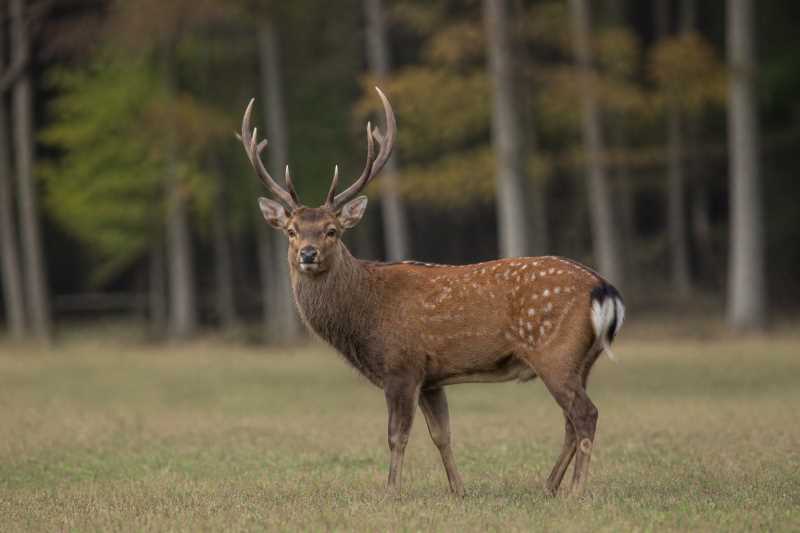
Sika deer are medium-sized deer, with adult males, known as stags, typically measuring between 50 and 110 kilograms (110 to 240 pounds) in weight and standing about 70 to 120 centimeters (28 to 47 inches) at the shoulder. Females, or hinds, are generally smaller, weighing between 30 and 50 kilograms (66 to 110 pounds).
The coloration of sika deer varies significantly depending on the season and subspecies. Generally, they possess a reddish-brown coat adorned with white spots during the summer months, which offers excellent camouflage against the dappled light of their woodland habitats. In winter, their coat turns a darker brown or gray, and the spots may become less distinct. Notably, sika deer have a distinctive white rump patch with a black border and a short, bushy tail.
Mature stags are equipped with antlers that can grow up to 80 centimeters (31 inches) long, featuring three to four points on each side. These antlers are shed and regrown annually, playing a vital role in their mating rituals and dominance displays.
Range and Habitat
Sika deer are native to East Asia, with their original range extending across Japan, Taiwan, eastern China, and the Russian Far East. Over the years, they have been introduced to various regions, including the United Kingdom, Ireland, the United States, and parts of mainland Europe.
Their preferred habitat includes temperate and subtropical forests, grasslands, and shrublands. Sika deer are highly adaptable and can thrive in a variety of environments, from coastal areas to mountainous regions. Their ability to exploit different habitats has contributed to their successful establishment in non-native areas.
Behavior and Diet
Sika deer are primarily crepuscular, meaning they are most active during the early morning and late afternoon. However, their activity patterns can vary based on the presence of predators and human disturbances.
Social structures in sika deer vary with the seasons. During the rutting season, which occurs in the autumn, stags engage in fierce battles to establish dominance and win the right to mate with hinds. These battles involve vocalizations, antler clashes, and displays of strength. Outside the breeding season, sika deer typically form small groups or remain solitary.
Their diet consists mainly of grasses, leaves, buds, and twigs. Sika deer are also known to browse on agricultural crops, which can bring them into conflict with farmers. Their adaptability in feeding habits allows them to survive in various environments, but it also makes them a potential threat to local vegetation and agriculture in areas where they are not native.
Identification Tips (Field Recognition Cues)
Identifying sika deer in the field involves recognizing several key characteristics:
- Size and Build: Medium-sized with a compact, robust body.
- Coloration: Look for the reddish-brown summer coat with white spots or the darker winter coat.
- Rump Patch: A prominent white rump patch with a black border is distinctive.
- Antlers: Stags have antlers with three to four points per side.
- Vocalizations: Listen for high-pitched whistles and barking sounds, especially during the rut.
Conservation Status (With Threats and Protections)
The conservation status of sika deer varies across their range. In their native habitats, some populations are considered stable, while others face threats from habitat loss and hunting. In Japan, for instance, sika deer are abundant and sometimes regarded as pests due to their impact on agriculture and forestry.
In contrast, introduced populations, such as those in the UK and the US, may impact local ecosystems by competing with native species and altering vegetation structures. Management strategies in these regions often involve controlled culling to prevent overpopulation and mitigate ecological impacts.
Efforts to conserve sika deer focus on habitat protection, sustainable hunting practices, and monitoring population dynamics to ensure their long-term survival without compromising local biodiversity.
Frequently Asked Questions
What is the habitat preference of sika deer?
Sika deer prefer temperate and subtropical forests, grasslands, and shrublands. They are adaptable and can inhabit various environments, contributing to their successful establishment in non-native areas.
How do sika deer communicate?
Sika deer communicate using a range of vocalizations, including high-pitched whistles, barks, and grunts. These sounds are often used during the rutting season for mating and dominance displays.
Are sika deer a threat to agriculture?
In areas where sika deer are abundant, they can pose a threat to agriculture by browsing on crops. This has led to conflicts with farmers, particularly in regions where they are introduced species.
What are the main threats to sika deer populations?
Main threats to sika deer include habitat loss, hunting, and competition with other deer species. In non-native areas, their impact on local ecosystems can also be a concern.
How can you differentiate sika deer from similar species?
Key identification features of sika deer include their medium size, spotted coat in summer, distinctive white rump patch, and the high-pitched vocalizations they make, especially during the rutting season.
Related posts