Introduction
The Japanese Raccoon Dog, scientifically known as Nyctereutes viverrinus, is a fascinating member of the canid family, indigenous to Japan. Often mistaken for a raccoon due to its distinctive facial markings and robust physique, the Japanese Raccoon Dog has captured the curiosity of wildlife enthusiasts and researchers alike. This article delves into the various aspects of this unique mammal, exploring its physical characteristics, natural habitat, behavior, diet, and conservation status.
Physical Description
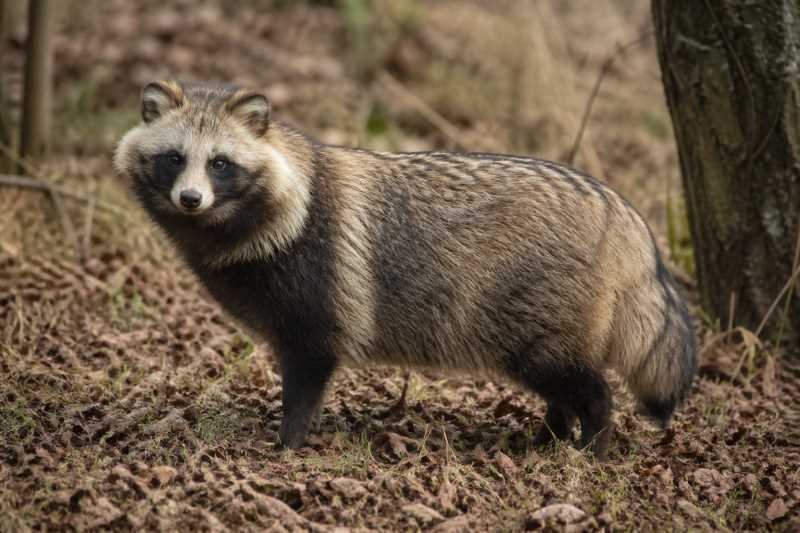
The Japanese Raccoon Dog is a small, stout mammal with a body length ranging from 50 to 65 centimeters and a tail length of 15 to 20 centimeters. Adults typically weigh between 3 and 10 kilograms. One of the most striking features of this species is its dense, thick fur, which varies in color from gray to reddish-brown, providing excellent camouflage in their natural habitat.
The face of the Japanese Raccoon Dog is characterized by dark, mask-like markings around the eyes, reminiscent of a raccoon. This feature, along with their rounded ears and bushy tails, contributes to their misleading common name. Unlike other canids, the Japanese Raccoon Dog exhibits a unique molting pattern, shedding its fur twice a year.
Range and Habitat
Endemic to Japan, the Japanese Raccoon Dog can be found across the country’s main islands, including Honshu, Shikoku, and Kyushu. They are highly adaptable animals, thriving in diverse environments ranging from lowland forests to mountainous regions. These mammals prefer areas with dense vegetation, which offer shelter and abundant food sources.
In addition to natural habitats, Japanese Raccoon Dogs have shown remarkable adaptability to urban environments. These resourceful creatures often inhabit suburban areas, where they can find discarded food and shelter, further illustrating their ability to coexist with human populations.
Behavior and Diet
The Japanese Raccoon Dog is primarily nocturnal, with activity peaking during the twilight hours. Known for their elusive nature, these animals are rarely seen during daylight. They are monogamous, forming long-term pair bonds and often raising offspring together.
The diet of the Japanese Raccoon Dog is omnivorous, consisting of a wide variety of foods. They feed on insects, small mammals, birds, fruits, and berries. In urban settings, they are opportunistic feeders, often scavenging for human food waste. This dietary flexibility is a key factor in their survival across different habitats.
Identification Tips (Field Recognition Cues)
Identifying a Japanese Raccoon Dog in the wild can be challenging due to their elusive nature and nocturnal habits. However, several field recognition cues can aid in their identification:
- Distinctive Facial Markings: Look for the characteristic dark mask-like markings around the eyes.
- Fur Coloration: Their dense fur has a unique coloration that blends gray and reddish-brown tones.
- Bushy Tail: Notice the bushy tail with a distinct tip, often seen when the animal is in motion.
- Body Structure: They have a stocky build with short legs, distinguishing them from other canids.
- Vocalizations: Listen for their unique vocalizations, which include growls, whines, and barks, especially during mating season.
Conservation Status (with Threats and Protections)
The Japanese Raccoon Dog is currently classified as Least Concern by the International Union for Conservation of Nature (IUCN). Despite this status, they face several threats, primarily from human activities. Habitat destruction due to urban development and deforestation poses significant risks to their populations. Additionally, road accidents are a common cause of mortality in areas with high human activity.
Conservation efforts are in place to protect this species, focusing on habitat preservation and reducing human-wildlife conflict. Public awareness campaigns aim to educate communities about the ecological importance of the Japanese Raccoon Dog and the need for coexistence.
Frequently Asked Questions
What is the difference between a Japanese Raccoon Dog and a regular raccoon?
Japanese Raccoon Dogs (Nyctereutes viverrinus) are canids, while regular raccoons belong to the Procyonidae family. Despite similar facial markings, they differ in taxonomy, behavior, and habitat preferences.
Can you keep a Japanese Raccoon Dog as a pet?
Keeping a Japanese Raccoon Dog as a pet is not advisable due to their specific dietary, environmental, and behavioral needs, which are best met in the wild. Additionally, in many regions, it is illegal to keep wild animals as pets.
How do Japanese Raccoon Dogs adapt to urban environments?
Japanese Raccoon Dogs adapt to urban settings by utilizing their omnivorous diet to scavenge for food and finding shelter in parks and green spaces. Their adaptability allows them to survive in proximity to human populations.
Are Japanese Raccoon Dogs dangerous to humans?
Japanese Raccoon Dogs are generally shy and avoid human contact. They are not considered dangerous to humans but should be treated with caution and respect as wild animals.
What are the main threats to the Japanese Raccoon Dog population?
The main threats include habitat destruction, road accidents, and human-wildlife conflict. Conservation measures are crucial to mitigate these threats and ensure the survival of the species.
Related posts