Introduction
The Spotted Butterfly Bat, scientifically known as Glauconycteris humeralis, is a fascinating species of bat found in various regions across Africa. Known for its distinctive markings and unique behavioral traits, this bat is a subject of interest for both researchers and nature enthusiasts alike. Despite its name, the Spotted Butterfly Bat is not related to butterflies but earns its name due to its delicate, fluttering flight and the spotted patterns on its wings, reminiscent of butterfly wings. In this article, we will delve into the detailed aspects of this species, exploring its physical characteristics, habitat, behavior, and conservation status.
Physical Description
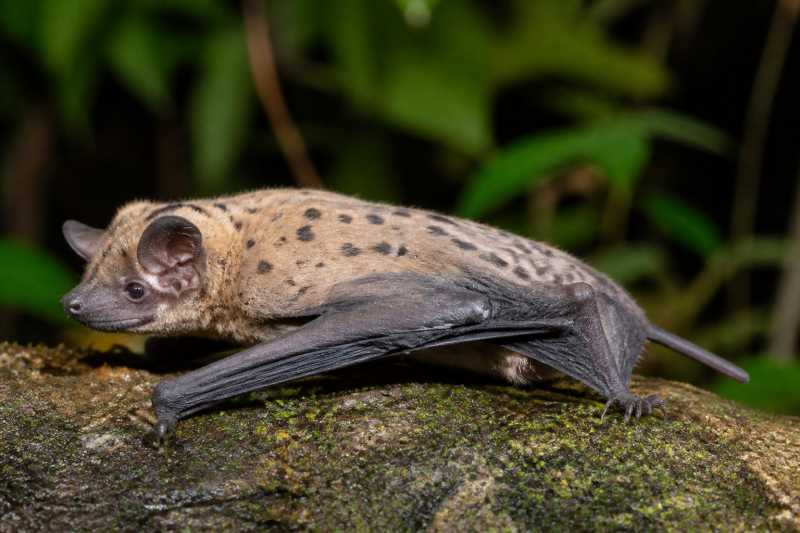
The Spotted Butterfly Bat is a small bat species, with an average wingspan ranging between 25 to 30 centimeters and a body length of approximately 4 to 5 centimeters. Its weight is typically around 5 to 8 grams, making it one of the smaller bat species. The bat’s fur is predominantly a light brown or grey color, adorned with distinctive white or pale spots on its wings and shoulders, which contribute to its name. The ears are relatively large and rounded, providing excellent hearing capabilities essential for echolocation.
The bat’s snout is short and broad, with a slightly upturned nose, which is characteristic of the Glauconycteris genus. Its eyes are small but adapted for low-light conditions, aiding in nocturnal navigation. The wing membranes are thin yet strong, allowing for agile and rapid flight through dense foliage.
Range and Habitat
The Spotted Butterfly Bat is primarily found in sub-Saharan Africa, with its range extending from countries like Nigeria, Cameroon, and the Democratic Republic of the Congo to regions in East Africa, such as Tanzania and Kenya. The species thrives in various habitats, including tropical and subtropical forests, savannas, and even some semi-arid regions.
These bats prefer roosting in tree hollows, beneath large leaves, or in the crevices of bark. They are also known to occupy abandoned buildings and caves. The choice of roosting sites is influenced by factors such as temperature, humidity, and the availability of food sources.
Behavior and Diet
Spotted Butterfly Bats are nocturnal creatures, emerging at dusk to begin their nightly foraging activities. They are insectivorous, primarily feeding on a variety of flying insects, including moths, beetles, and mosquitoes. Their diet plays a crucial role in controlling insect populations, thus maintaining ecological balance.
These bats use echolocation to navigate and hunt, emitting high-frequency sounds that bounce off objects and return as echoes, allowing them to detect prey and obstacles. The bats are solitary hunters but may roost in small groups during the day for warmth and protection.
Mating typically occurs during the rainy season when food is abundant. Females give birth to a single offspring after a gestation period of approximately two to three months. The young are cared for by the mother until they are capable of independent flight and foraging.
Identification Tips (Field Recognition Cues)
Identifying the Spotted Butterfly Bat in the field can be challenging due to its small size and nocturnal nature. However, wildlife enthusiasts and researchers can look for the following cues:
- Distinctive Spotting: Look for the characteristic white or pale spots on the wings and shoulders.
- Flight Pattern: Observe the bat’s flight; it is typically fluttering and erratic, much like a butterfly.
- Habitat: Check for roosting sites in forested areas, especially tree hollows or under large leaves.
- Echolocation Calls: Use a bat detector to pick up the high-frequency echolocation calls typical of this species.
Conservation Status (with Threats and Protections)
The Spotted Butterfly Bat is currently classified as "Least Concern" by the International Union for Conservation of Nature (IUCN). However, like many bat species, it faces threats primarily due to habitat loss and degradation. Deforestation, agricultural expansion, and urban development are leading to the fragmentation of their natural habitats.
Conservation efforts are focused on habitat preservation and restoration. Protected areas and national parks play a significant role in providing safe habitats for these bats. Raising awareness about the ecological importance of bats in pest control and pollination is also crucial in garnering public support for their conservation.
Frequently Asked Questions
What do Spotted Butterfly Bats eat?
Spotted Butterfly Bats are insectivorous, primarily feeding on flying insects such as moths, beetles, and mosquitoes.
Where can I find Spotted Butterfly Bats?
They are found in sub-Saharan Africa, inhabiting tropical and subtropical forests, savannas, and some semi-arid regions.
How do Spotted Butterfly Bats navigate in the dark?
These bats use echolocation, emitting high-frequency sounds that bounce off objects and return as echoes, allowing them to navigate and hunt effectively in the dark.
Are Spotted Butterfly Bats endangered?
Currently, the Spotted Butterfly Bat is classified as "Least Concern" by the IUCN, but they face threats from habitat loss and degradation.
How can I help in the conservation of Spotted Butterfly Bats?
Supporting habitat preservation efforts and raising awareness about the ecological importance of bats can aid in their conservation.
Related posts