Introduction
The Cuban Greater Funnel-eared Bat, scientifically known as Natalus primus, is a fascinating and rare species endemic to Cuba. This distinct mammal is a part of the Natalidae family, commonly referred to as funnel-eared bats due to their unique ear shape. Discovered in the mid-20th century, the Cuban Greater Funnel-eared Bat has intrigued researchers and conservationists alike, not only for its distinctive physical characteristics but also for its restricted range and specialized habitat requirements. This article delves into the various aspects of the Natalus primus, from its physical description to its conservation status, shining a light on the significance of preserving such rare species.
Physical Description
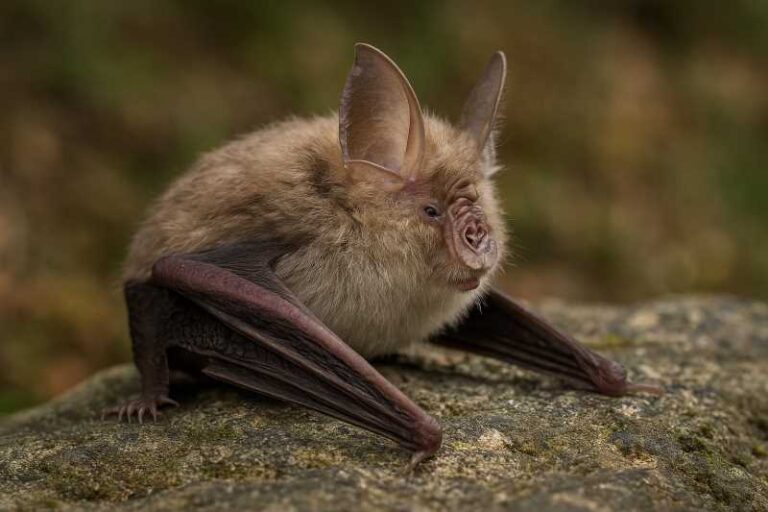
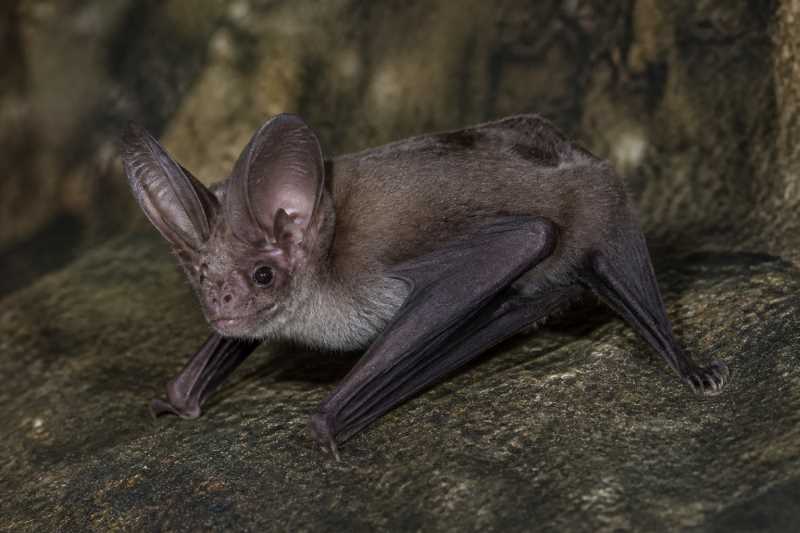
The Cuban Greater Funnel-eared Bat is notable for its unique physical characteristics that distinguish it from other bat species. This bat is relatively small, with a forearm length ranging from 42 to 47 millimeters and a weight of approximately 6 to 10 grams. Its most distinctive feature is its large, funnel-shaped ears, which are crucial for echolocation, helping it navigate and hunt in the dark caves of its habitat.
The fur of the Natalus primus is soft and velvety, with a color palette ranging from light brown to a creamy hue, providing excellent camouflage against the limestone cave walls it inhabits. Its wings are long and narrow, adapted for agile flying within confined spaces. The bat’s face is adorned with a short, broad muzzle and a flat nose, adding to its unique appearance.
Range and Habitat
The Cuban Greater Funnel-eared Bat is endemic to Cuba, primarily found in the eastern part of the island. Its habitat is restricted to the limestone caves of the region, with La Barca cave in the province of Cueva being one of its most significant known roosts. These caves provide the ideal microclimate for the bats, with stable temperatures and humidity levels essential for their survival.
The preference for cave habitats is driven by the bats’ need for a safe roosting environment away from predators, as well as a favorable microclimate that supports their delicate physiology. Unfortunately, this specialization also makes them highly vulnerable to habitat disturbances and environmental changes.
Behavior and Diet
The Cuban Greater Funnel-eared Bat is primarily nocturnal, emerging from its roosts at dusk to forage for food. Its diet mainly consists of insects, making it an essential component of the ecosystem as a natural pest controller. The bat employs echolocation to hunt, emitting high-frequency sound waves that bounce off objects and return to the bat’s ears, allowing it to detect prey even in complete darkness.
Socially, Natalus primus tends to form small colonies, often sharing their roosts with other bat species. These colonies are crucial for thermoregulation and protection against predators. The bats communicate with each other through a series of vocalizations, which play a vital role in maintaining social structure within the group.
Identification Tips
Identifying the Cuban Greater Funnel-eared Bat in the field requires attention to several key characteristics:
- Ear Shape: Look for the distinctive large, funnel-shaped ears which are a hallmark of this species.
- Size and Fur Texture: Note the small size and the soft, velvety texture of the fur, typically light brown to creamy in color.
- Flight Pattern: Observe the bat’s flight, which is agile and swift, adapted for maneuvering within cave environments.
- Roosting Behavior: Check for roosting in limestone caves, often alongside other bat species.
Conservation Status
The Cuban Greater Funnel-eared Bat is classified as Critically Endangered on the IUCN Red List. The primary threat to Natalus primus is habitat disturbance, particularly human activities that lead to the destruction or alteration of its cave habitats. This includes mining, tourism, and vandalism, which can disrupt the delicate microclimate of the caves.
Conservation efforts are underway to protect the remaining populations of Natalus primus. These include legal protection of key habitats, awareness campaigns to reduce human disturbance, and research initiatives to better understand the species’ ecology and needs. Continued efforts are crucial to ensure the survival of this rare and unique bat species.
Frequently Asked Questions
1. What makes the Cuban Greater Funnel-eared Bat unique?
The Cuban Greater Funnel-eared Bat is unique due to its funnel-shaped ears, specialized cave habitat, and its endemic status to Cuba, making it a rare and fascinating species.
2. Why is the Cuban Greater Funnel-eared Bat endangered?
This bat is endangered primarily due to habitat disturbance and destruction, particularly the alteration of its cave habitats by human activities such as mining and tourism.
3. How does the Cuban Greater Funnel-eared Bat contribute to its ecosystem?
As an insectivore, the bat plays a crucial role in controlling insect populations, thus contributing to the ecological balance and health of its environment.
4. What conservation measures are in place for Natalus primus?
Conservation measures include legal protection of habitats, awareness campaigns, and research to enhance understanding and protection strategies for this bat species.
5. Where can you find the Cuban Greater Funnel-eared Bat?
The bat is found exclusively in eastern Cuba, primarily in limestone caves such as those in the province of Cueva.
Related posts