Introduction
The Fringed Fruit-eating Bat, scientifically known as Artibeus fimbriatus, is a fascinating mammal that belongs to the Phyllostomidae family. This species is notable for its role in seed dispersal, which significantly contributes to the health and sustainability of tropical ecosystems. The Fringed Fruit-eating Bat is primarily found in South America, where it inhabits a variety of forested environments. This article delves into the physical characteristics, habitats, behaviors, and conservation status of this remarkable species, providing a comprehensive understanding of its ecological importance.
Physical Description
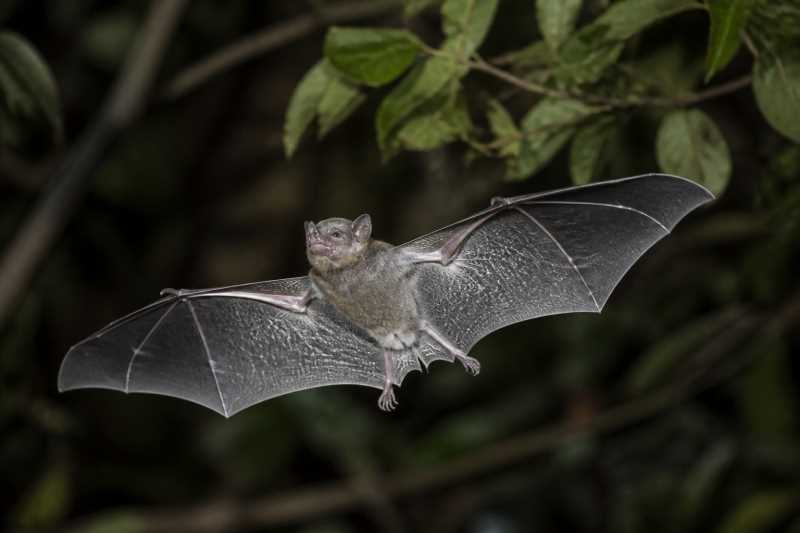
Artibeus fimbriatus is a medium-sized bat, with a wingspan ranging from 30 to 35 centimeters and a body length of approximately 9 to 11 centimeters. These bats typically weigh between 40 to 60 grams. They are characterized by their broad, rounded wings and a short, broad head. The most distinctive feature of the Fringed Fruit-eating Bat is its nose-leaf, a fleshy structure located on top of the nose that aids in echolocation.
The fur of Artibeus fimbriatus is generally grayish-brown, providing excellent camouflage against the bark of trees and darkened foliage. Their ventral side is slightly lighter, often with a whitish or pale gray tint. As their name suggests, they have fringed edges on their tail membranes, which are unique identifiers among bat species. This fringe might assist in maneuverability during flight.
Range and Habitat
The Fringed Fruit-eating Bat is native to South America, with its range extending across countries such as Brazil, Argentina, Paraguay, and Bolivia. These bats are primarily associated with tropical and subtropical forests, including rainforests, dry forests, and secondary growth forests. They are highly adaptable and can also be found in disturbed habitats, such as agricultural lands and urban areas, as long as there is an abundance of fruiting trees.
Artibeus fimbriatus is a canopy dweller, often roosting in the foliage of tall trees. They prefer roosts that provide ample cover from predators and harsh weather conditions. Additionally, these bats are known to occupy hollow trees, caves, and abandoned buildings when natural roosting sites are scarce.
Behavior and Diet
The Fringed Fruit-eating Bat is nocturnal, spending its nights foraging for food and its days roosting. These bats exhibit a social structure, often roosting in small groups, which may serve as a mechanism for thermoregulation and protection against predators.
Primarily frugivorous, Artibeus fimbriatus feeds on a variety of fruits, with a preference for figs (Ficus species). Their diet may also include other soft fruits, such as guavas, bananas, and mangoes. The consumption of such a diverse range of fruits makes them important seed dispersers, aiding in the propagation of numerous plant species. Occasionally, they may consume leaves, nectar, and insects to supplement their diet.
Identification Tips (field recognition cues)
Identifying the Fringed Fruit-eating Bat in the field can be challenging, but several key features can aid in recognition:
- Nose-leaf: Look for the prominent nose-leaf, a distinct characteristic of the Phyllostomidae family.
- Fringed Tail Membrane: The unique fringe on the tail membrane is a definitive identifier.
- Coloration: Their grayish-brown fur with a lighter ventral side is another identifying feature.
- Flight Pattern: Observe their flight, which is generally slow and maneuverable, allowing them to navigate through dense foliage.
- Roosting Habits: These bats are often found roosting in tree canopies or other sheltered locations during the day.
Conservation Status (with threats and protections)
The Fringed Fruit-eating Bat is currently classified as Least Concern by the International Union for Conservation of Nature (IUCN). However, like many bat species, they face several threats that could impact their populations.
Threats
- Habitat Loss: Deforestation and land conversion for agriculture and urban development are the primary threats to their habitat.
- Pesticide Use: The use of pesticides can reduce their food resources and pose direct health risks.
- Climate Change: Altered weather patterns can affect fruit production, impacting their food supply.
Protections
- Protected Areas: Many regions within their range are designated as protected areas, which help conserve their natural habitats.
- Conservation Programs: Initiatives focused on habitat restoration and sustainable agriculture practices benefit the Fringed Fruit-eating Bat.
- Research and Monitoring: Continued research and population monitoring are essential for understanding and mitigating threats to their survival.
Frequently Asked Questions
What is the main diet of the Fringed Fruit-eating Bat?
The Fringed Fruit-eating Bat primarily feeds on a variety of fruits, with a strong preference for figs. They also consume other soft fruits like guavas, bananas, and mangoes, playing a crucial role in seed dispersal.
Where can the Fringed Fruit-eating Bat be found?
This species is native to South America, inhabiting countries such as Brazil, Argentina, Paraguay, and Bolivia. They thrive in tropical and subtropical forests but can also adapt to disturbed habitats with sufficient fruiting trees.
How does the Fringed Fruit-eating Bat contribute to the ecosystem?
By feeding on fruits and dispersing seeds, the Fringed Fruit-eating Bat aids in the regeneration of forests and the propagation of plant species, thus maintaining the balance and health of their ecosystems.
What are the primary threats to the Fringed Fruit-eating Bat?
The main threats include habitat loss due to deforestation and land conversion, pesticide use, and the impacts of climate change on their food resources.
How can we help protect the Fringed Fruit-eating Bat?
Supporting conservation efforts, promoting sustainable land-use practices, and raising awareness about the ecological importance of bats are critical steps in protecting the Fringed Fruit-eating Bat and its habitat.
Related posts