Introduction
The Least Big-eared Bat, scientifically known as Neonycteris pusilla, is a fascinating and elusive species of bat that captivates researchers and nature enthusiasts alike. This diminutive mammal is part of the diverse order Chiroptera, which comprises all bat species. Despite their small size, these bats are known for their relatively large ears, which play a crucial role in their navigation and hunting techniques. In this comprehensive article, we explore various aspects of the Least Big-eared Bat, including its physical traits, habitat preferences, behavior, and conservation status.
Physical Description
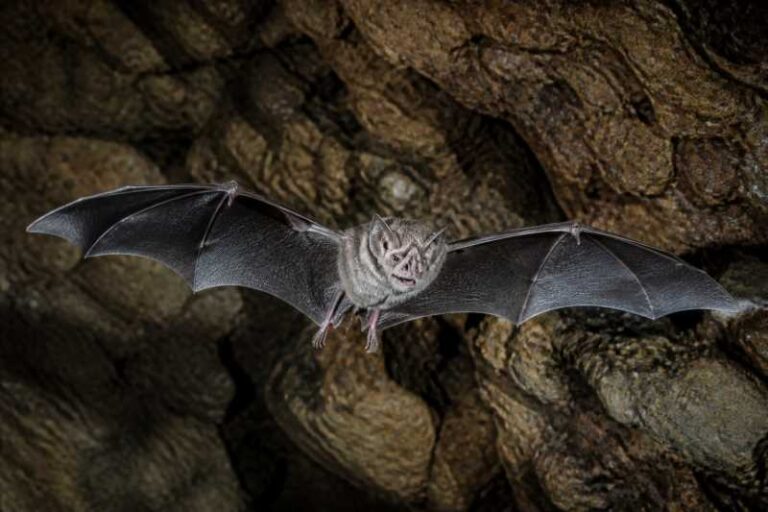
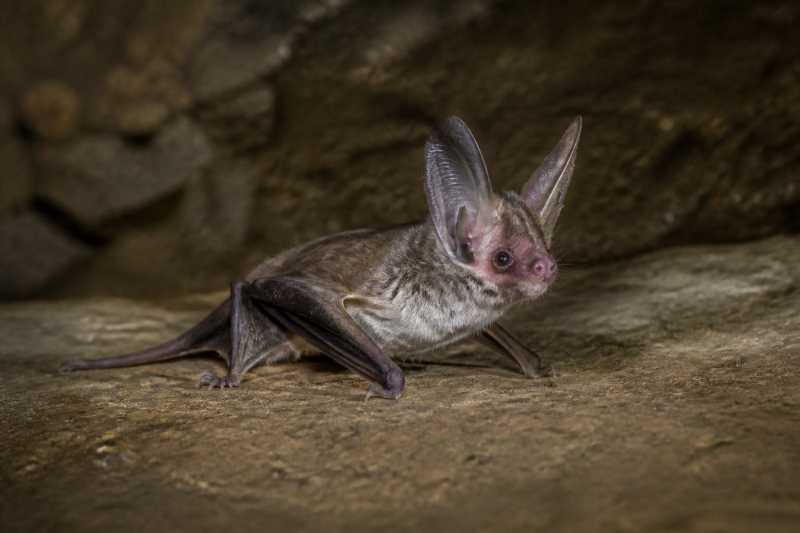
The Least Big-eared Bat is aptly named for its prominent ears, which are large relative to its small body size. Adults typically weigh between 5 to 8 grams and have a wingspan of approximately 20 to 25 centimeters. Their fur is usually a muted brown or gray, providing excellent camouflage against tree bark and cave walls. The bat’s ears are not only significant in size but also highly sensitive, allowing them to detect the faintest of sounds. This adaptation is crucial for echolocation, a sonar-like system that helps them navigate and hunt in complete darkness. Their wings are delicate yet robust, designed for agile flight and quick maneuverability.
Range and Habitat
Neonycteris pusilla is primarily found in tropical and subtropical regions of Central and South America. Their range extends from southern Mexico through Central American countries and into the northern parts of South America. These bats favor environments that offer abundant food sources and adequate roosting sites, such as dense forests and caves. They are known to occupy both lowland and montane forests, often roosting in hollow trees, caves, and even man-made structures. The availability of water bodies nearby is also a critical factor, as it supports the insects that form a major part of their diet.
Behavior and Diet
The Least Big-eared Bat is predominantly nocturnal, emerging from its roost at dusk to embark on feeding excursions. Their diet primarily consists of insects, which they expertly capture in flight using echolocation. These bats are known to consume a variety of insects, including moths, beetles, and mosquitoes, thus playing a vital role in controlling insect populations. During the day, they rest in their roosts, often hanging upside down in colonies. These social structures provide warmth and protection, as well as opportunities for mating. The species is known for its complex vocal communications, which are used for navigation, foraging, and social interactions.
Identification Tips (Field Recognition Cues)
Identifying the Least Big-eared Bat in the wild can be a challenging task due to their small size and nocturnal habits. However, certain cues can aid in their recognition:
- Ear Size: Look for the disproportionately large ears, which are a distinctive feature of this species.
- Flight Pattern: Observe their flight, which is typically agile and erratic, as they hunt for insects.
- Roosting Behavior: During the day, they can be spotted in colonies hanging in caves or hollow trees.
- Echolocation Clicks: Their echolocation calls, while inaudible to the human ear, can sometimes be detected with specialized equipment.
Conservation Status (with Threats and Protections)
The conservation status of the Least Big-eared Bat is currently listed as Near Threatened by the International Union for Conservation of Nature (IUCN). The primary threats to their survival include habitat loss due to deforestation, agricultural expansion, and urban development. Additionally, the use of pesticides in agriculture reduces their food supply by diminishing insect populations. Conservation efforts for this species focus on preserving their natural habitats and promoting sustainable agricultural practices. Protected areas and wildlife reserves play a crucial role in safeguarding their habitats, while research initiatives aim to better understand their ecology and inform conservation strategies.
Frequently Asked Questions
1. What does the Least Big-eared Bat eat?
The Least Big-eared Bat primarily feeds on insects, including moths, beetles, and mosquitoes. They utilize echolocation to detect and capture their prey during nocturnal foraging.
2. Where can the Least Big-eared Bat be found?
This species is native to Central and South America, with a range extending from southern Mexico to northern South America. They inhabit tropical and subtropical forests, often roosting in caves and hollow trees.
3. How does the Least Big-eared Bat use echolocation?
Echolocation is a vital tool for the Least Big-eared Bat, allowing them to navigate and hunt in complete darkness. By emitting high-frequency sounds, they can detect objects and prey based on the returning echoes.
4. What are the main threats to the Least Big-eared Bat?
The primary threats include habitat destruction due to deforestation, agricultural activities, and urbanization. Additionally, the use of pesticides reduces their insect prey availability.
5. How can I help in conserving the Least Big-eared Bat?
Supporting conservation organizations and initiatives that focus on habitat preservation and sustainable agricultural practices can help protect this species. Raising awareness about the importance of bats in ecosystems is also beneficial.
Related posts