Seychelles Sheath-tailed Bat (Coleura seychellensis)
Introduction
The Seychelles Sheath-tailed Bat (Coleura seychellensis) is one of the most enigmatic yet critically endangered species of bat in the world. This elusive mammal is endemic to the Seychelles archipelago, a paradise known for its rich biodiversity. Despite its critical status, the Seychelles Sheath-tailed Bat has sparked the interest of conservationists and researchers due to its unique ecological role and mysterious habits. Understanding this bat’s biology and ecology is crucial for developing effective conservation strategies to ensure its survival.
Physical Description
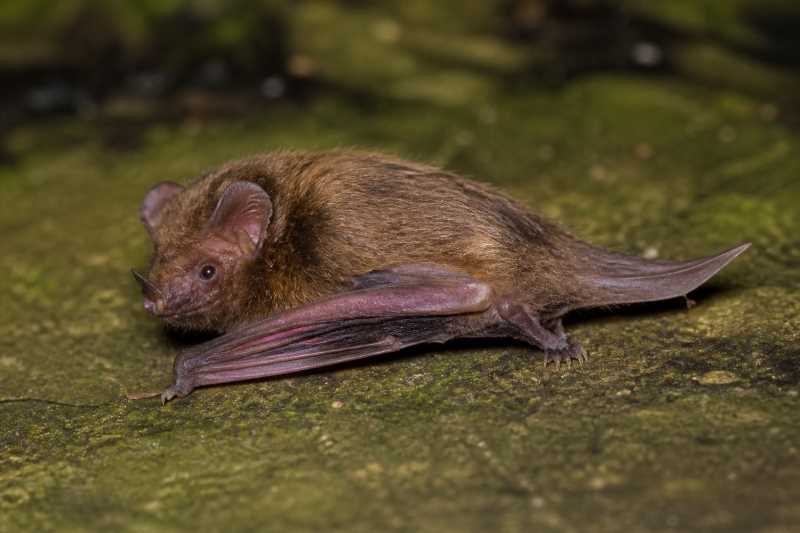
The Seychelles Sheath-tailed Bat is a small bat species, with adults typically weighing between 10 to 12 grams and having a wingspan of approximately 30 centimeters. It is characterized by its brownish-gray fur, which provides natural camouflage against the rocky outcrops and caves it inhabits. This bat gets its name from the sheath-like tail membrane that extends beyond the tail tip, a feature common among members of the Emballonuridae family.
Its large, rounded ears and keen eyesight are adapted for nocturnal life, aiding in navigation and prey detection. The face of the Seychelles Sheath-tailed Bat is adorned with a distinctively flat nose and small eyes, which are typical adaptations for echolocation, a critical tool for hunting insects in the dark.
Range and Habitat
The Seychelles Sheath-tailed Bat is currently found only on a few islands within the Seychelles, specifically Silhouette Island and Mahe. Historically, the species was more widespread, but its range has dramatically diminished due to various anthropogenic pressures.
These bats prefer habitats that offer a combination of roosting and foraging opportunities. They are typically found in coastal forests, where they roost in caves or rock crevices. The proximity of these habitats to insect-rich foraging areas such as wetlands, forests, and gardens is essential for their survival. The degradation of these habitats due to human activity has been one of the leading causes of their decline.
Behavior and Diet
The Seychelles Sheath-tailed Bat is a nocturnal insectivore, primarily feeding on a diet of moths, beetles, and other small flying insects. Its echolocation capabilities enable it to detect prey in complete darkness. These bats exhibit a high degree of agility in flight, allowing them to catch insects on the wing with remarkable precision.
Socially, they are known to roost in small colonies, which can range from just a few individuals to several dozen. The social structure within these colonies remains largely unstudied, but it is assumed that they exhibit some form of social hierarchy or kin association, as observed in other bat species.
Reproductively, the Seychelles Sheath-tailed Bat has a low fecundity rate, typically giving birth to a single offspring per year. This low reproductive rate further exacerbates their vulnerability to extinction, as population recovery is inherently slow.
Identification Tips
Identifying the Seychelles Sheath-tailed Bat in the field requires specific attention to several key features:
- Size and Shape: Look for a small bat with a wingspan of about 30 cm and weighing between 10-12 grams.
- Coloration: Note the brownish-gray fur that blends well with rocky habitats.
- Tail Structure: The distinctive sheath-like tail membrane extending beyond the tail tip is a crucial identification marker.
- Flight Pattern: Observe their agile and erratic flight patterns, typical of insectivorous bats using echolocation.
- Roosting Sites: Check caves and rock crevices in coastal forests for potential roosting colonies.
Conservation Status
The Seychelles Sheath-tailed Bat is listed as Critically Endangered on the IUCN Red List. The primary threats to its survival include habitat destruction, disturbance from human activities, and predation by invasive species such as rats and cats. The loss of roosting and foraging habitats due to urbanization and agricultural expansion has significantly reduced their population.
Conservation efforts are underway to protect the remaining populations of Seychelles Sheath-tailed Bats. These include habitat restoration projects, legal protection of key habitats, and public awareness campaigns aimed at reducing human disturbances. Additionally, research into the bat’s ecology and behavior is critical for developing targeted conservation strategies.
Frequently Asked Questions
What do Seychelles Sheath-tailed Bats eat?
Seychelles Sheath-tailed Bats primarily feed on small flying insects, including moths and beetles. They use echolocation to hunt these insects during the night.
Why are Seychelles Sheath-tailed Bats endangered?
These bats are endangered due to habitat loss, human disturbance, and predation by invasive species such as rats and cats. Their limited range and low reproductive rate further contribute to their critical status.
Where can I see Seychelles Sheath-tailed Bats?
The best chance of seeing Seychelles Sheath-tailed Bats is on Silhouette Island and Mahe in the Seychelles, particularly in coastal forests where they roost.
How do Seychelles Sheath-tailed Bats navigate and hunt at night?
They use echolocation to navigate and hunt in the dark. By emitting high-frequency sounds and listening for the returning echoes, they can detect and capture prey mid-flight.
What conservation measures are in place for Seychelles Sheath-tailed Bats?
Conservation measures include habitat protection, restoration projects, and public education to reduce human disturbances. Research into their ecology is also ongoing to inform conservation strategies.
Related posts