Introduction
Portenko’s Shrew, scientifically known as Sorex portenkoi, is a fascinating small mammal species that belongs to the family Soricidae. It is named after the Russian ornithologist and zoologist, Leonid Portenko, and is one of the lesser-known shrew species due to its relatively recent discovery and limited geographical range. Despite its inconspicuous nature, Portenko’s Shrew plays a critical role in its ecosystem, particularly in controlling insect populations. This article delves into various aspects of Portenko’s Shrew, including its physical characteristics, habitat preferences, behavior, diet, and conservation status.
Physical Description
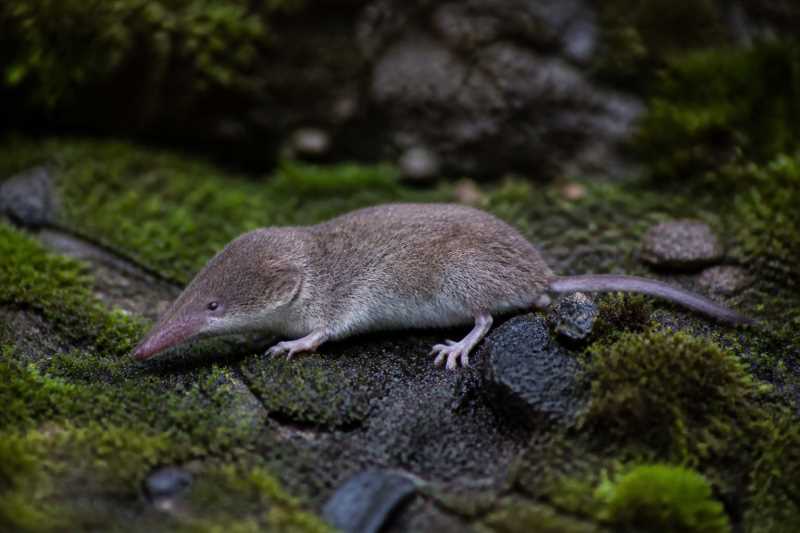
Portenko’s Shrew is a small, insectivorous mammal with a body length ranging from 5 to 8 centimeters, excluding its tail, which adds an additional 4 to 5 centimeters. It weighs between 5 and 10 grams. The shrew is characterized by its velvety fur, which is typically grayish-brown on the dorsal side and lighter on the ventral side. Its fur helps it blend into its natural surroundings, providing camouflage against predators.
The species has a long, narrow snout, which is a common feature among shrews, allowing them to probe into tight spaces to find prey. Their tiny eyes are not well-adapted for acute vision, but they have highly developed senses of hearing and smell, which compensate for their poor eyesight. The ears are small and often hidden within the fur.
Range and Habitat
Portenko’s Shrew is endemic to specific regions in Eastern Siberia, primarily found in the Kamchatka Peninsula and surrounding areas. Its habitat includes boreal forests, tundra, and shrubland regions. The species is highly adaptable to cold environments and can be found in both lowland and mountainous terrains.
The shrew prefers moist habitats with abundant ground cover, such as leaf litter and dense vegetation. These conditions provide them with ample food sources and protection from predators. They are often found near streams and other water bodies, where insects and other invertebrates are plentiful.
Behavior and Diet
Portenko’s Shrew is a solitary and territorial animal, exhibiting aggressive behavior towards intruders. It is primarily nocturnal, though it may also be active during the day. The shrew is constantly on the move, foraging for food to sustain its high metabolism.
The diet of Portenko’s Shrew consists mainly of insects, spiders, and other small invertebrates. It uses its acute senses of smell and hearing to locate prey, often digging through leaf litter and soil. The shrew’s metabolic rate is extremely high, requiring it to eat approximately its own body weight in food each day.
Identification Tips (field recognition cues)
Identifying Portenko’s Shrew in the field can be challenging due to its small size and elusive nature. However, there are several key characteristics to look for:
- Size and Shape: Look for a small mammal with a slender body and a long tail.
- Fur Color: Note the grayish-brown fur on the back and lighter underparts.
- Snout: Observe the long, pointed snout, which is distinctive among shrews.
- Behavior: Watch for quick, darting movements, particularly in areas with dense ground cover.
- Habitat: Check moist, forested areas with plenty of leaf litter and underbrush.
Conservation Status (with threats and protections)
Portenko’s Shrew is currently listed as "Data Deficient" by the International Union for Conservation of Nature (IUCN). This classification stems from the lack of comprehensive data on its population size and trends. However, like many small mammals, it faces potential threats from habitat loss due to deforestation, climate change, and human encroachment.
Conservation efforts for Portenko’s Shrew focus on preserving its natural habitat and minimizing human impact on its environment. Protected areas in its range, such as nature reserves and national parks, play a crucial role in safeguarding the species. Continued research is needed to better understand its ecology and develop effective conservation strategies.
Frequently Asked Questions
1. What is the habitat of Portenko’s Shrew? Portenko’s Shrew inhabits moist boreal forests, tundra, and shrublands in Eastern Siberia, particularly in the Kamchatka Peninsula.
2. How does Portenko’s Shrew find its food? The shrew uses its keen sense of smell and hearing to locate insects and other invertebrates, often digging through leaf litter to capture prey.
3. Why is Portenko’s Shrew important to the ecosystem? As an insectivore, Portenko’s Shrew helps control insect populations, contributing to the balance of its ecosystem.
4. Is Portenko’s Shrew endangered? Currently, Portenko’s Shrew is classified as "Data Deficient" by the IUCN, meaning there is insufficient data to determine its conservation status.
5. How can I identify Portenko’s Shrew in the wild? Look for a small, grayish-brown mammal with a long snout and tail, often found in moist, forested areas.
Related posts