Introduction
The Awash Multimammate Mouse, scientifically known as Mastomys awashensis, is a fascinating small mammal species that belongs to the Muridae family. This rodent is an important part of the ecosystem in its native habitats, contributing to seed dispersion and serving as prey for various predators. Despite its significance, the Awash Multimammate Mouse remains relatively obscure, overshadowed by more prominent mammalian species. This article delves into the unique characteristics, habitat, behavior, and conservation status of this intriguing creature.
Physical Description
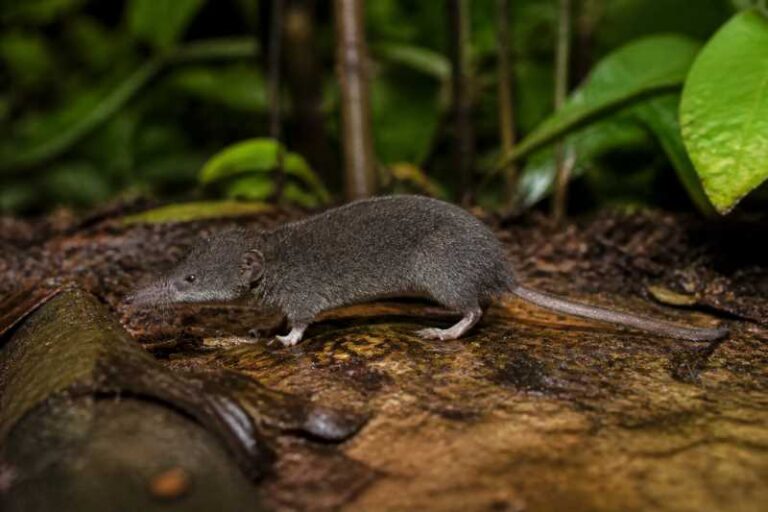
The Awash Multimammate Mouse is a small mammal characterized by its distinct physical features that aid in its identification. Typically, this mouse exhibits a body length ranging from 10 to 15 centimeters, excluding the tail, which can add an additional 8 to 12 centimeters. Its fur is generally soft and dense, providing excellent insulation. The dorsal side of the Mastomys awashensis is commonly a shade of brown or gray, aiding in camouflage within its natural surroundings, while the ventral side is lighter, often a creamy white.
The species is named for its notable number of mammae, which are more than typical for rodents, a trait that supports its reproductive success. Its ears are relatively large and rounded, providing acute auditory sensitivity, while its eyes are adapted for low-light environments, making it primarily nocturnal. The tail, an essential tool for balance and communication, is covered with fine fur and scales.
Range and Habitat
Mastomys awashensis is predominantly found in the Horn of Africa, with a range that includes parts of Ethiopia and neighboring regions. The species was first identified in the Awash River Basin, from which it derives its name. The Awash Multimammate Mouse thrives in diverse habitats, including savannas, grasslands, and agricultural areas. It favors environments with ample ground cover and abundant food sources.
The adaptability of this mouse allows it to inhabit areas that experience significant seasonal changes. During wet seasons, it takes advantage of lush vegetation, while in drier periods, it relies on its burrowing abilities to access cooler, moist underground retreats. This versatility enables the species to persist in areas where other rodents might struggle.
Behavior and Diet
The Awash Multimammate Mouse is primarily nocturnal, with peak activity occurring during the night when it forages for food. Its diet is omnivorous, consisting of a wide range of food sources such as seeds, fruits, insects, and small invertebrates. This varied diet not only supports its nutritional needs but also aids in seed dispersion, contributing to the ecological health of its habitat.
Socially, Mastomys awashensis is known for its gregarious nature, often forming small colonies. These groups enhance survival by offering protection against predators and increasing foraging efficiency. Communication within these groups is facilitated through a combination of vocalizations and scent markings, which play a vital role in maintaining social structures and territories.
Reproduction occurs throughout the year, with females capable of producing several litters annually, each consisting of multiple offspring. This high reproductive rate is a crucial factor in the species’ resilience and ability to maintain stable population levels even in changing environmental conditions.
Identification Tips (Field Recognition Cues)
Identifying the Awash Multimammate Mouse in the field can be challenging due to its resemblance to other small rodent species. However, there are several key characteristics to look for:
- Fur and Coloration: Look for the dense, soft fur that is brown or gray on the dorsal side and lighter on the ventral side.
- Tail Length: The tail is relatively long, often equal to or longer than the body length, aiding in balance.
- Mammae Count: The species has a notably high number of mammae, a distinctive trait when observing females.
- Ear Size: Large, rounded ears are a hallmark of the species, providing excellent hearing.
- Behavior Patterns: Nocturnal activity and social behavior are indicators, as the species is often found in groups.
These cues, combined with knowledge of the mouse’s preferred habitats, can assist observers in accurately identifying the species.
Conservation Status (with threats and protections)
The conservation status of the Awash Multimammate Mouse is currently classified as Least Concern by the International Union for Conservation of Nature (IUCN). This classification is due to the species’ widespread distribution, adaptability to various habitats, and robust reproductive capabilities. However, the mouse faces several threats that could impact its populations in the future.
Habitat destruction and fragmentation, primarily due to agricultural expansion and urbanization, pose significant challenges to the species. These activities reduce available habitat and resources, potentially leading to population declines. Additionally, climate change may alter the ecosystems in which the mouse thrives, further complicating its survival.
Conservation efforts are focused on preserving natural habitats and promoting sustainable agricultural practices. Protected areas within the species’ range offer some refuge, but ongoing monitoring and research are necessary to ensure long-term viability.
Frequently Asked Questions
1. What is the primary diet of the Awash Multimammate Mouse? The Awash Multimammate Mouse is omnivorous, feeding on seeds, fruits, insects, and small invertebrates. Its varied diet allows it to adapt to different environmental conditions and contributes to seed dispersion.
2. How does the Awash Multimammate Mouse reproduce? This species reproduces year-round, with females capable of producing several litters annually. Each litter typically consists of multiple offspring, which grow rapidly and reach maturity quickly, contributing to the species’ resilience.
3. What are the main threats to the Awash Multimammate Mouse? The primary threats include habitat destruction due to agricultural expansion, urbanization, and climate change. These factors can lead to habitat fragmentation and reduced resources for the species.
4. How can you identify an Awash Multimammate Mouse in the wild? Key identification features include dense, soft fur, a long tail, a high number of mammae in females, large ears, and social behavior. Observing these traits in combination with habitat preferences can aid in identification.
5. Where is the Awash Multimammate Mouse typically found? This species is predominantly found in the Horn of Africa, particularly in Ethiopia, inhabiting savannas, grasslands, and agricultural areas with ample ground cover.
Related posts