Introduction
The Sierra Shrew, scientifically known as Sorex madrensis, is a fascinating mammal species that belongs to the family Soricidae. This small, elusive creature is one of several shrew species that inhabit North America, specifically within the rich biodiversity of the Sierra Madre Occidental mountain range in Mexico. Though often overlooked due to its diminutive size and secretive nature, the Sierra Shrew plays a crucial role in its ecosystem as both predator and prey. This article delves into the various aspects of the Sierra Shrew’s life, offering insights into its physical characteristics, habitat preferences, dietary habits, conservation status, and more.
Physical Description
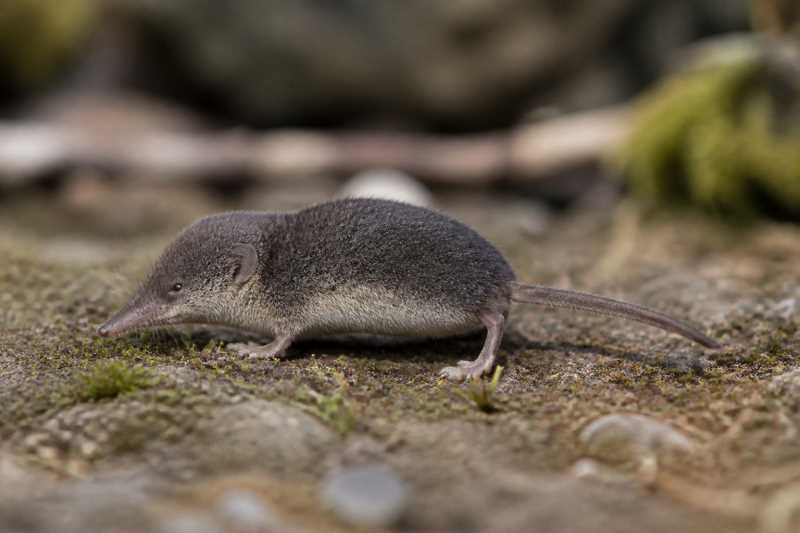
The Sierra Shrew is a small, insectivorous mammal characterized by its elongated snout and tiny eyes, which are typical features of shrews. Adults typically measure between 9 to 12 centimeters in length, including a tail that accounts for nearly half of their body length. The weight of a Sierra Shrew ranges from 4 to 8 grams, making it one of the lighter members of the mammalian world.
The fur of the Sierra Shrew is generally soft and dense, providing insulation against the cool mountain climates where it resides. Its coloration is typically a mix of gray and brown hues, blending seamlessly with the forest floor and aiding in camouflage from predators. The underside is usually a lighter gray or white, which helps in thermoregulation and further concealment against the dappled shadows of its natural habitat.
Range and Habitat
Sorex madrensis is endemic to the Sierra Madre Occidental, a mountain range that extends through parts of western Mexico. This range provides a diverse array of habitats, from pine-oak forests to temperate rainforests, each offering unique ecological niches that support a variety of wildlife, including the Sierra Shrew.
These shrews prefer moist, cool environments with ample ground cover to hide from predators and to forage for food. They are typically found at elevations ranging from 1,800 to 3,000 meters. The presence of leaf litter, fallen logs, and dense underbrush is crucial for their survival, as these features provide shelter and support a rich invertebrate community that serves as their primary food source.
Behavior and Diet
Sierra Shrews are primarily nocturnal, although they may also exhibit crepuscular activity patterns, being most active during the dawn and dusk hours. Their behavior is influenced by temperature and humidity, as they prefer cooler conditions and higher moisture levels. These shrews are solitary and territorial, with each individual maintaining a home range that it actively defends from intruders.
The diet of the Sierra Shrew is predominantly composed of insects and other small invertebrates. They are voracious feeders, requiring frequent meals to sustain their high metabolic rate. Common prey items include beetles, spiders, and various larvae, which they locate using their keen sense of smell and touch-sensitive vibrissae (whiskers). Occasionally, they may also consume small vertebrates or carrion if readily available.
Identification Tips (Field Recognition Cues)
Identifying the Sierra Shrew in the field can be challenging due to its small size and elusive nature. However, there are several key characteristics to look for:
- Size and Shape: Note the small body size, elongated snout, and relatively long tail.
- Fur Coloration: Look for the grayish-brown upper fur and lighter underside.
- Activity Patterns: Observations are more likely during cooler parts of the day, such as early morning or late evening.
- Habitat Preference: Concentrate efforts in moist, forested areas with ample ground cover.
Conservation Status (with Threats and Protections)
As of the latest assessments, the Sierra Shrew is classified as a species of Least Concern by the International Union for Conservation of Nature (IUCN). However, this status does not imply that the species is free from threats. Habitat destruction due to logging, agriculture, and human encroachment poses significant risks to the Sierra Shrew’s environment.
Conservation efforts are focused on preserving the natural habitats of the Sierra Madre Occidental. This includes the establishment of protected areas and the implementation of sustainable land-use practices that minimize habitat degradation. Continued research and monitoring are essential to ensure that the Sierra Shrew populations remain stable and that any emerging threats are promptly addressed.
Frequently Asked Questions
1. What do Sierra Shrews eat? Sierra Shrews primarily feed on insects and other invertebrates, such as beetles, spiders, and larvae, utilizing their keen sense of smell to locate prey.
2. Where can Sierra Shrews be found? They are endemic to the Sierra Madre Occidental mountain range in western Mexico, typically inhabiting moist, forested environments at elevations between 1,800 to 3,000 meters.
3. Are Sierra Shrews endangered? Currently, the Sierra Shrew is classified as Least Concern, but it faces threats from habitat destruction due to human activities such as logging and agriculture.
4. How can I identify a Sierra Shrew in the wild? Look for a small mammal with a long snout and tail, grayish-brown fur, and a preference for cool, moist forested areas with dense ground cover.
5. What role do Sierra Shrews play in their ecosystem? Sierra Shrews are both predators and prey, helping to control insect populations while serving as a food source for larger predators, thus maintaining ecological balance.
Related posts