Introduction
The Rumpi Mouse Shrew (Myosorex rumpii) is a small mammal species that belongs to the Soricidae family. This unique species, native to the African continent, is characterized by its mouse-like appearance and shrew-like behavior. Due to its limited distribution and elusive nature, the Rumpi Mouse Shrew is not widely known but plays a significant role in its ecosystem.
Physical Description
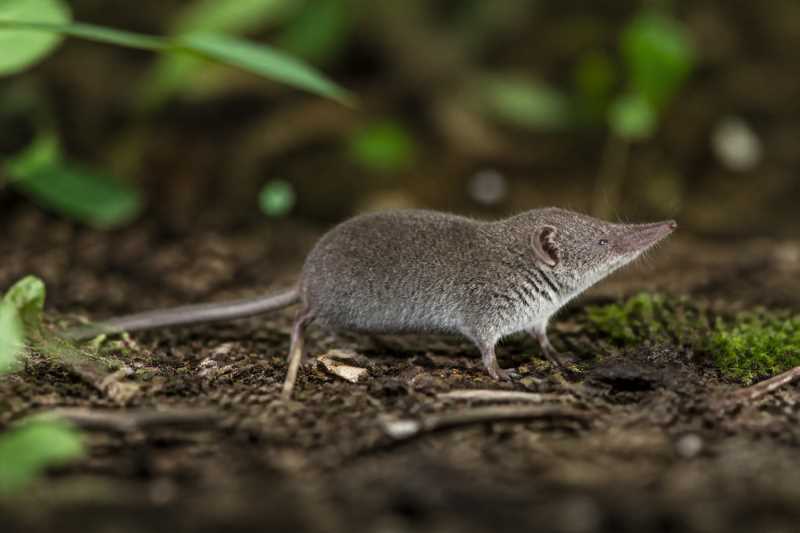
The Rumpi Mouse Shrew is a diminutive creature, typically measuring between 6 to 9 centimeters in body length, excluding its tail, which adds an additional 3 to 5 centimeters. It weighs around 10 to 15 grams. Its fur is soft and dense, providing excellent insulation in its natural habitat. The fur coloration varies from dark brown to a lighter gray hue on the ventral side, which aids in camouflage against predators.
The shrew’s head is pointed with a long, flexible snout, which is a distinctive feature among insectivorous mammals. It has small, rounded ears that are partially hidden by fur, and its eyes are small, reflecting its adaptation to a life spent mostly under cover. The limbs are short, with five-toed feet equipped with sharp claws that assist in digging and foraging.
Range and Habitat
Myosorex rumpii is endemic to high-altitude regions in Cameroon, specifically in the Rumpi Hills. This limited range makes it a species of interest for conservationists. The Rumpi Mouse Shrew thrives in montane forest habitats, where dense undergrowth provides both cover and resources necessary for its survival.
The species is typically found at elevations ranging from 1,000 to 2,500 meters, where the climate is cooler and more humid than the surrounding lowland areas. These habitats are rich in leaf litter and insect life, supporting the shrew’s dietary needs.
Behavior and Diet
The Rumpi Mouse Shrew is primarily nocturnal, spending the day hidden under the forest floor’s leaf litter and emerging at night to forage. It is an insectivore, with a diet consisting mainly of insects, spiders, and other small invertebrates. The long snout and sensitive whiskers help it detect prey in the dark, while its sharp claws are used to excavate food from the soil.
Social behavior in this species is not well-documented, but like many shrews, it is presumed to lead a largely solitary lifestyle outside of the breeding season. Communication among shrews typically involves high-pitched squeaks and scent markings.
Identification Tips (field recognition cues)
To identify the Rumpi Mouse Shrew in the field, observers should look for:
- Size: Small, mouse-like size with a body length of 6-9 cm.
- Fur: Dense, soft fur that is dark brown or gray.
- Snout: Long, pointed snout characteristic of shrews.
- Ears and Eyes: Small, rounded ears and small eyes, often obscured by fur.
- Movement: Quick, scurrying movement often under leaf litter or dense underbrush.
Conservation Status (with threats and protections)
The Rumpi Mouse Shrew is currently classified as Vulnerable on the IUCN Red List. Its restricted range makes it particularly susceptible to habitat loss and environmental changes. Deforestation for agriculture, logging, and human encroachment are the primary threats facing this species.
Conservation efforts are focused on habitat preservation and environmental education to mitigate human impact. Protected areas within the Rumpi Hills are critical for the species’ survival, and efforts are being made to expand these zones and enforce regulations against illegal logging.
Frequently Asked Questions
What does the Rumpi Mouse Shrew eat?
The Rumpi Mouse Shrew is an insectivore, feeding primarily on insects, spiders, and other small invertebrates found in its montane forest habitat.
Where can the Rumpi Mouse Shrew be found?
This species is found exclusively in the Rumpi Hills of Cameroon, inhabiting montane forests at elevations between 1,000 and 2,500 meters.
Why is the Rumpi Mouse Shrew considered vulnerable?
The species is vulnerable due to its limited range and the threat of habitat loss from human activities such as deforestation and land use changes.
How does the Rumpi Mouse Shrew adapt to its environment?
The Rumpi Mouse Shrew is adapted to its environment with dense fur for insulation, a long snout for finding prey, and a nocturnal lifestyle to avoid predators.
Are there conservation efforts in place for the Rumpi Mouse Shrew?
Yes, conservation efforts include habitat protection and expansion of protected areas within the Rumpi Hills to safeguard the species’ natural environment.
Related posts