Flower’s White-toothed Shrew: An In-depth Look
Introduction
Flower’s White-toothed Shrew, scientifically known as Crocidura floweri, is a relatively obscure but fascinating species of mammal belonging to the Soricidae family. This small yet intriguing creature is endemic to certain regions of Africa, where it plays a crucial role in the ecosystem as both predator and prey. While not as widely recognized as some of its shrew relatives, Flower’s White-toothed Shrew offers unique insights into biodiversity and conservation challenges.
Understanding the intricacies of this species is essential for appreciating the delicate balance of our natural world. From its distinctive physical characteristics to its specialized habitat requirements, Flower’s White-toothed Shrew serves as a testament to nature’s complexity and adaptability.
Physical Description
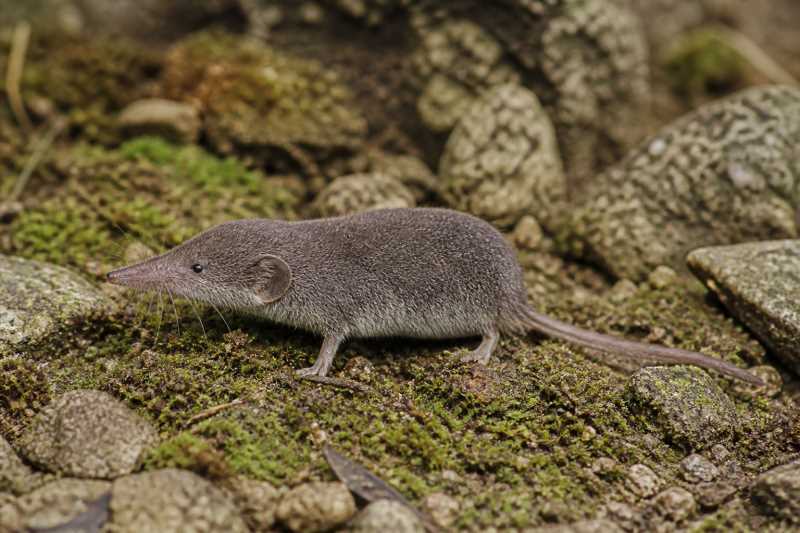
Flower’s White-toothed Shrew is characterized by its small, compact body, which typically measures between 5 to 7 centimeters in length, excluding the tail. The tail itself is relatively short, ranging from 3 to 5 centimeters. This tail length is proportionate to its body, aiding in balance and movement through its environment.
The shrew’s fur is generally a muted grayish-brown, providing effective camouflage against the forest floor and underbrush where it resides. This coloration is interrupted by a lighter underbelly, which contrasts with its darker dorsal side. Its eyes are small and bead-like, while its ears are rounded and partially hidden by fur.
One of the most defining features of Crocidura floweri is its dental structure. As suggested by its name, Flower’s White-toothed Shrew possesses starkly white teeth, an adaptation that sets it apart from other shrew species. These teeth are sharp and well-suited for its carnivorous diet.
Range and Habitat
Flower’s White-toothed Shrew is primarily found in the subtropical and tropical regions of northeastern Africa, including parts of Egypt and Sudan. This species favors habitats that offer ample cover and a rich supply of invertebrates, such as dense forests, grasslands, and areas with abundant leaf litter.
The shrew’s preference for moist environments means it is often found near water sources, such as streams or marshes, where insects and other prey are plentiful. These habitats not only provide food but also offer protection from predators and harsh weather conditions.
Due to human activity, the natural habitat of Crocidura floweri is undergoing significant changes. Deforestation and agricultural expansion are leading to habitat fragmentation, which poses a substantial threat to this species’ survival.
Behavior and Diet
Flower’s White-toothed Shrew is primarily nocturnal, conducting most of its foraging activities under the cover of darkness. This behavior reduces its exposure to predators and allows it to exploit food resources that become available at night.
The diet of Crocidura floweri is predominantly carnivorous, consisting mainly of insects, spiders, and other small invertebrates. Occasionally, it may also consume small vertebrates or plant matter when other food sources are scarce. Its sharp, white teeth are perfectly adapted to catching and consuming its prey.
Socially, Flower’s White-toothed Shrew is largely solitary, coming together only to mate. It communicates through a variety of vocalizations and scent markings, which help establish territory and attract potential mates.
Identification Tips (Field Recognition Cues)
Identifying Flower’s White-toothed Shrew in the field requires attention to several key characteristics:
- Size and Shape: Look for a small, mouse-sized creature with a short tail.
- Coloration: Note the grayish-brown fur with a lighter underbelly.
- Teeth: The presence of white teeth is a distinctive feature.
- Habitat: Likely found in dense, moist environments with abundant ground cover.
- Behavior: Primarily nocturnal, so identification is best done at night or by observing tracks and signs during the day.
Conservation Status
Flower’s White-toothed Shrew is currently listed as "Data Deficient" by the International Union for Conservation of Nature (IUCN). This classification highlights the need for further research to accurately assess the species’ population status and threats.
Threats
The primary threats to Crocidura floweri include habitat destruction due to agriculture, logging, and urban development. These activities result in habitat fragmentation, reducing the available living space and food resources for the shrew.
Protections
Conservation efforts for Flower’s White-toothed Shrew are limited but could include habitat preservation and restoration initiatives. Establishing protected areas and promoting sustainable land-use practices are vital for safeguarding its future.
Frequently Asked Questions
What is the diet of Flower’s White-toothed Shrew?
Flower’s White-toothed Shrew primarily feeds on insects and other small invertebrates. Its diet may occasionally include small vertebrates or plant material, depending on availability.
Where can Flower’s White-toothed Shrew be found?
This species is found in northeastern Africa, particularly in Egypt and Sudan, favoring dense, moist habitats like forests and grasslands near water sources.
How does Flower’s White-toothed Shrew communicate?
The shrew communicates through vocalizations and scent markings. These methods help establish territories and attract mates, playing a crucial role in its solitary lifestyle.
What are the main threats to Flower’s White-toothed Shrew?
The primary threats include habitat destruction and fragmentation due to agriculture, logging, and urbanization. These factors significantly impact the shrew’s living spaces and food availability.
How can we help conserve Flower’s White-toothed Shrew?
Conservation efforts should focus on habitat preservation and sustainable land-use practices. Creating protected areas and promoting awareness about the species are vital steps toward its conservation.
Related posts