The Black-collared Starling: A Comprehensive Insight into Gracupica nigricollis
The Black-collared Starling, scientifically known as Gracupica nigricollis, is a captivating bird species that has captured the interest of ornithologists and bird enthusiasts alike. This striking avian species, with its distinctive black collar and vibrant plumage, is a member of the Sturnidae family, which encompasses various species of starlings and mynas. Native to Southeast Asia, the Black-collared Starling is predominantly found in countries such as China, Vietnam, Laos, and Thailand.
Physical Characteristics
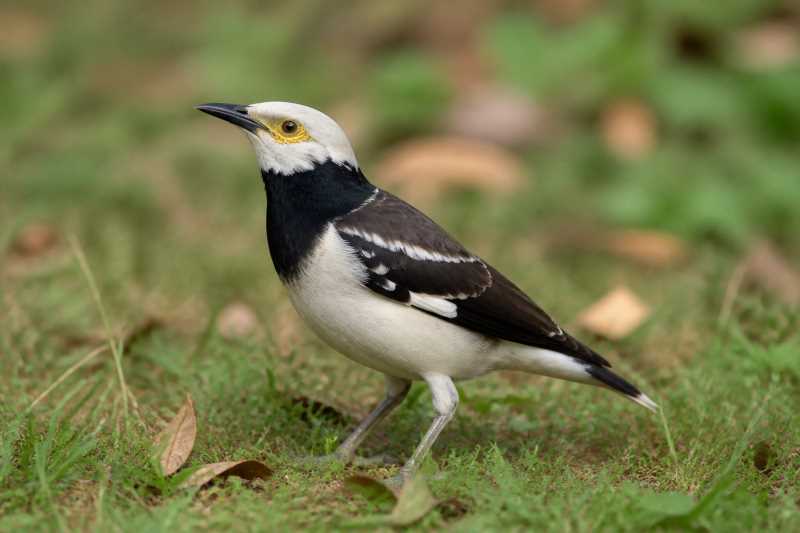
The Black-collared Starling is a medium-sized bird, measuring approximately 30 centimeters in length. One of its most distinguishing features is the prominent black band or ‘collar’ around its neck, which contrasts sharply with its white body and wings. The bird’s head is adorned with a glossy black cap, and its stout bill is yellow, adding a touch of vibrancy to its overall appearance. The starling’s eyes are surrounded by a patch of bare skin that is usually a deep blue or purple, enhancing its striking visual appeal.
The plumage of the Black-collared Starling is primarily white with black markings on its wings and tail, creating an elegant pattern. Juveniles, however, are less vividly colored, tending to have more muted tones that become more pronounced as they mature.
Habitat and Distribution
The Black-collared Starling inhabits a variety of environments, ranging from open fields and agricultural lands to urban parks and gardens. This adaptability to diverse habitats is a testament to the species’ resilience and ability to thrive in the presence of human activity. In its native regions, the bird is commonly observed in flocks, foraging for food and interacting socially.
In terms of geographical distribution, Gracupica nigricollis is predominantly found in Southeast Asia. Its range extends across southern China, Vietnam, Laos, and parts of Thailand. The bird’s presence in these regions indicates its preference for tropical and subtropical climates, where food resources are abundant and the environment supports its breeding and nesting behaviors.
Behavior and Diet
The Black-collared Starling is known for its sociable nature, often seen in pairs or small groups. These birds are highly vocal, producing a variety of calls and songs that contribute to their communicative repertoire. Their vocalizations are not only a means of social interaction but also play a crucial role in territorial defense and mate attraction.
Their diet is omnivorous, consisting of a mix of insects, fruits, and seeds. This dietary flexibility allows the Black-collared Starling to exploit a range of food sources, further contributing to its success in various habitats. During the breeding season, insects form a significant part of their diet, providing essential nutrients for rearing young chicks.
Breeding and Reproduction
The breeding season for Black-collared Starlings typically occurs during the warmer months when food is plentiful. The species is known for its cooperative breeding behavior, where groups of birds work together to raise the young. This cooperative approach is beneficial in ensuring the survival and success of the offspring.
Nests are usually constructed in trees or shrubs, with both male and female participating in the building process. The female lays a clutch of 3-5 eggs, which are incubated for about two weeks. Both parents share the responsibility of feeding and caring for the hatchlings, which fledge after approximately three weeks.
Conservation Status
Currently, the Black-collared Starling is classified as a species of Least Concern by the International Union for Conservation of Nature (IUCN). This classification indicates that the species is relatively stable and not facing immediate threats of extinction. However, like many other bird species, it is susceptible to habitat loss and changes in environmental conditions.
Conservation efforts aimed at preserving natural habitats and promoting biodiversity are essential in ensuring the continued survival of the Black-collared Starling. Sustainable agricultural practices and urban planning that consider the needs of local wildlife can contribute to the conservation of this species.
Cultural Significance
In many parts of Southeast Asia, the Black-collared Starling holds cultural significance and is often associated with themes of adaptability and resilience. Its presence in urban areas symbolizes the harmonious coexistence of wildlife and human development.
Birdwatching enthusiasts and nature photographers are particularly drawn to this species due to its striking appearance and engaging behavior. The Black-collared Starling has become a favorite subject in avian photography, capturing the beauty and diversity of birdlife in Southeast Asia.
Conclusion
The Black-collared Starling is a remarkable bird that embodies the adaptability and resilience of avian species in a rapidly changing world. Its striking appearance, social behaviors, and ecological role make it a fascinating subject of study and appreciation. As we continue to explore and understand the complexities of avian life, the Black-collared Starling serves as a reminder of the intricate connections between wildlife and their environments.
By promoting conservation efforts and raising awareness about the importance of preserving biodiversity, we can ensure that future generations will have the opportunity to witness the beauty and grace of the Black-collared Starling and other avian species that enrich our world.
Related posts