Introduction
Beccari’s White-toothed Shrew, scientifically known as Crocidura beccarii, is a lesser-known but fascinating species of shrew. This small mammal, part of the family Soricidae, is distinguished by its unique genetic and morphological characteristics. Its discovery and subsequent studies have contributed significantly to our understanding of biodiversity, particularly within its native regions. In this article, we delve into the physical characteristics, habitat, behavioral patterns, and conservation status of Beccari’s White-toothed Shrew.
Physical Description
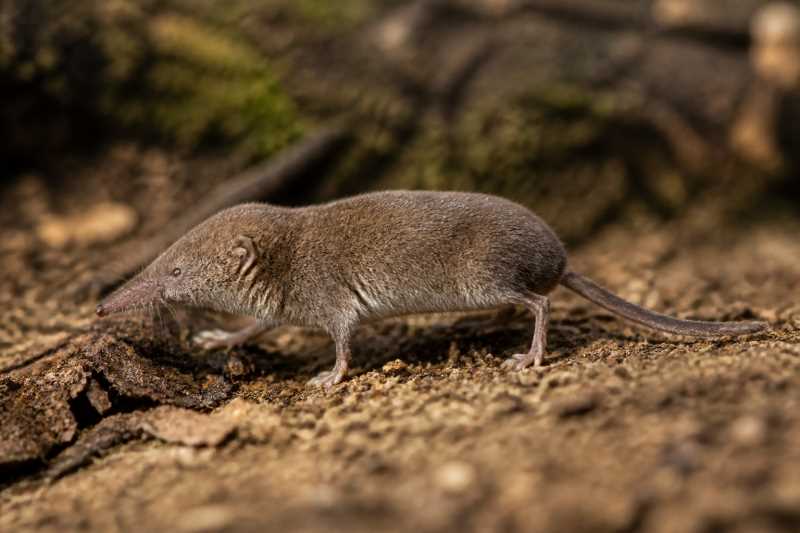
Beccari’s White-toothed Shrew is a small mammal, measuring approximately 7 to 10 centimeters in body length, with an additional tail length of about 4 to 6 centimeters. It is characterized by a slender body, a pointed snout, and a relatively short tail compared to other shrew species. The fur of this shrew is typically a uniform gray or brown, providing effective camouflage within its natural habitat.
The shrew’s distinctive white teeth are a defining feature that sets it apart from other small mammals. Unlike rodents, shrews do not have continuously growing incisors, and their teeth are adapted for a diet that includes a variety of insects and small invertebrates. The dental formula of Beccari’s White-toothed Shrew is typical of the genus Crocidura, which aids in the identification of this species.
Range and Habitat
Beccari’s White-toothed Shrew is endemic to the island of Borneo, with its range primarily concentrated in the regions of Malaysia and Indonesia. It inhabits lowland tropical forests, displaying a preference for moist, dense environments where it can find ample cover and food sources.
The shrew’s habitat is characterized by a high degree of biodiversity and is often marked by thick vegetation and a rich undergrowth. These environments provide both shelter and a rich supply of food, making them ideal for the shrew’s survival. However, habitat destruction due to deforestation poses a significant threat to its continued existence.
Behavior and Diet
Beccari’s White-toothed Shrew is primarily insectivorous, with a diet that includes a variety of insects, spiders, and other small invertebrates. It is a nocturnal creature, relying on its keen sense of smell and hearing to locate prey during the night. The shrew exhibits a high metabolism, necessitating frequent feeding to sustain its energy levels.
In terms of behavior, this shrew is solitary and territorial. It uses scent markings to communicate with other shrews and to establish its territory. The shrew is also known to be an adept burrower, often creating intricate tunnel systems within the forest floor to avoid predators and access food.
Identification Tips (Field Recognition Cues)
Identifying Beccari’s White-toothed Shrew in the field can be challenging due to its small size and elusive nature. However, there are certain cues that can aid in its identification:
- Size and Shape: Look for a small, slender-bodied mammal with a pointed snout and a proportionally short tail.
- Fur Color: The shrew’s fur is typically gray or brown, blending seamlessly with the forest floor.
- Behavior: Observing nocturnal activity and insectivorous feeding habits can be indicative of this species.
- Habitat: Presence in dense, moist tropical forests, particularly in regions of Borneo, can suggest the presence of Beccari’s White-toothed Shrew.
Conservation Status (With Threats and Protections)
The conservation status of Beccari’s White-toothed Shrew is currently listed as Least Concern by the IUCN Red List. However, the species faces significant threats primarily due to habitat destruction. Deforestation for agriculture, logging, and human settlement are the major factors contributing to habitat loss.
Conservation efforts are needed to mitigate these threats and ensure the survival of this species. Protecting large areas of tropical forest, enforcing stricter regulations on deforestation, and promoting reforestation initiatives are critical steps. Additionally, increased research and monitoring of population trends can provide valuable data to inform conservation strategies.
Frequently Asked Questions
1. What does Beccari’s White-toothed Shrew eat?
Beccari’s White-toothed Shrew primarily feeds on insects and other small invertebrates. Its diet includes spiders, beetles, and similar creatures, which it hunts using its acute sense of smell and hearing.
2. Where can Beccari’s White-toothed Shrew be found?
This shrew is endemic to Borneo, particularly in the regions of Malaysia and Indonesia. It inhabits lowland tropical forests with dense vegetation and a humid climate.
3. How does Beccari’s White-toothed Shrew communicate?
Beccari’s White-toothed Shrew uses scent markings to communicate with other shrews. These markings help establish territory and convey information about the individual’s presence and reproductive status.
4. What are the main threats to Beccari’s White-toothed Shrew?
The primary threat to this species is habitat destruction due to deforestation for agriculture, logging, and human settlement. Conservation efforts are vital to mitigate these threats.
5. How can Beccari’s White-toothed Shrew be identified in the wild?
Identifying this shrew involves looking for its small size, pointed snout, short tail, and gray or brown fur. Observing nocturnal activity and feeding habits in dense tropical forests can also aid in identification.
Related posts