Introduction
The Chestnut-vented Nuthatch (Sitta nagaensis) is a captivating bird species that belongs to the Sittidae family. Known for its distinctive plumage and unique behaviors, this bird is a fascinating subject for ornithologists and bird enthusiasts alike. This article delves into the various aspects of the Chestnut-vented Nuthatch, including its taxonomy, physical characteristics, habitat, diet, behavior, and conservation status.
Taxonomy and Nomenclature
The genus Sitta consists of small passerine birds commonly referred to as nuthatches. The Chestnut-vented Nuthatch, scientifically named Sitta nagaensis, was first described by Godwin-Austen in 1874. The species name ‘nagaensis’ is derived from Nagaland, a region in Northeast India, hinting at its geographical distribution.
Physical Characteristics
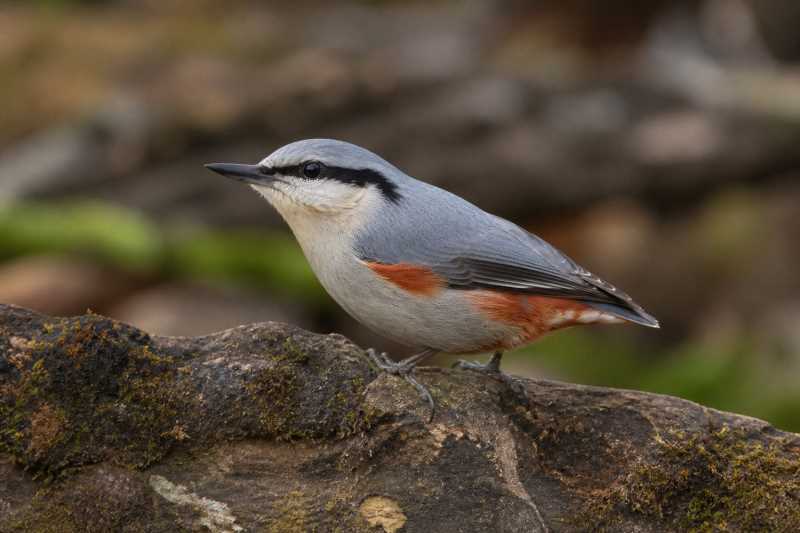
The Chestnut-vented Nuthatch is a small, agile bird with a length ranging from 12 to 13.5 cm and a wingspan of approximately 20 cm. It is characterized by its striking plumage; the upperparts are predominantly bluish-gray, while the underparts are white with a distinct chestnut vent. The bird’s crown and nape are a slightly darker shade of gray, and it features a conspicuous black eye stripe that runs from the beak to the nape. Both males and females appear similar, although females tend to have slightly duller plumage.
Habitat and Range
The natural habitat of the Chestnut-vented Nuthatch includes subtropical or tropical moist lowland forests and montane forests. It is predominantly found in the foothills of the Himalayas, extending through Northeast India, Myanmar, and into parts of Southeast Asia such as Thailand and Laos. These regions provide the dense canopy and rich biodiversity that are essential for the bird’s survival.
Diet and Feeding Behavior
The Chestnut-vented Nuthatch primarily feeds on insects and other invertebrates. Its diet may also include seeds and nuts, depending on the season and availability. The bird is known for its unique foraging technique, where it moves headfirst down tree trunks and branches, a behavior typical of nuthatches. This method allows it to access food sources that are unavailable to many other bird species.
Reproduction and Lifespan
Breeding occurs between April and June, coinciding with the abundance of food resources during this period. The species typically nests in tree cavities, which they may excavate themselves or occupy existing ones. A clutch usually consists of 4-6 eggs, which are incubated by the female for about two weeks. Both parents are involved in feeding and caring for the chicks. The lifespan of the Chestnut-vented Nuthatch in the wild is not well-documented, but it is estimated to be around 5-8 years.
Behavior and Social Structure
The Chestnut-vented Nuthatch is generally a solitary bird, although it may be seen in pairs or small groups during the breeding season. It is territorial and often engages in aggressive displays to defend its territory from intruders. The bird is also known for its vocalizations, which include a series of sharp, high-pitched notes used for communication and establishing territory.
Conservation Status
Currently, the Chestnut-vented Nuthatch is classified as Least Concern by the International Union for Conservation of Nature (IUCN). However, habitat loss due to deforestation and human encroachment poses a significant threat to its population. Conservation efforts are necessary to ensure the preservation of its natural habitats and to mitigate the impact of human activities.
Conclusion
The Chestnut-vented Nuthatch is a remarkable species that plays a vital role in its ecosystem. Its unique behaviors and adaptations make it an interesting subject for study and observation. While it is not currently facing an immediate threat of extinction, ongoing conservation efforts are essential to protect its habitat and ensure the species’ long-term survival. As we continue to learn more about this fascinating bird, it becomes increasingly clear that preserving its natural environment benefits not only the Chestnut-vented Nuthatch but also the rich biodiversity of the regions it inhabits.
Related posts