Introduction
Nehring’s Blind Mole-rat, scientifically known as Nannospalax nehringi, is a fascinating subterranean rodent species belonging to the family Spalacidae. Unique in its habitat and behavior, this mole-rat is part of a group of animals that have adapted extraordinarily well to life underground. Nehring’s Blind Mole-rat is notable for its lack of external eyes, a characteristic feature that contributes to its common name. This species, like other mole-rats, plays a critical role in soil aeration and ecosystem functioning. In this comprehensive article, we delve into the physical characteristics, habitat, behavior, and conservation status of Nehring’s Blind Mole-rat.
Physical Description
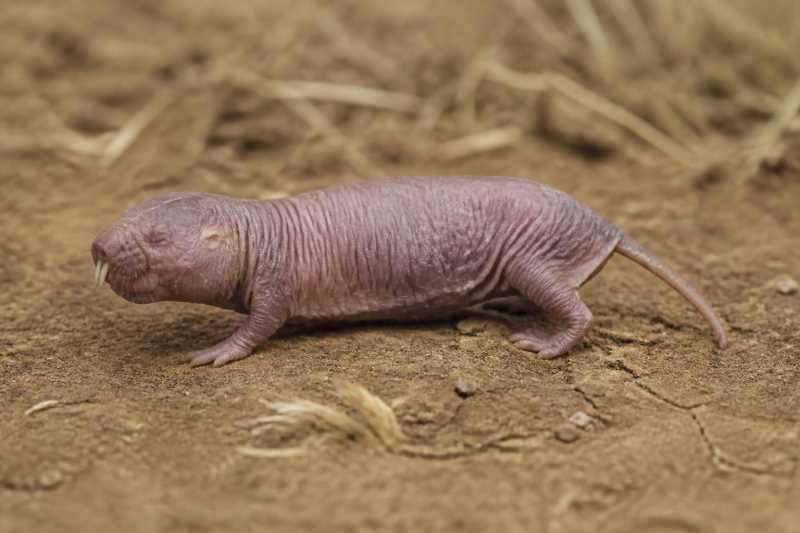
Nehring’s Blind Mole-rat exhibits several distinctive physical features that are adaptations to its subterranean lifestyle. With a cylindrical body shape, this mole-rat is built for digging and moving through soil. It typically measures between 15 to 25 centimeters in length, with a weight ranging from 100 to 200 grams.
The most striking feature of Nehring’s Blind Mole-rat is its lack of external eyes, a trait common among blind mole-rats. Instead, they possess eye spots covered by skin, which are sensitive to light but not capable of forming images. This adaptation reflects their evolutionary path, emphasizing tactile and olfactory senses over vision.
Their fur is dense and soft, usually varying in shades of gray or brown, providing camouflage against the soil environment. The limbs are short and powerful, with broad feet equipped with sharp claws ideal for digging. Additionally, Nehring’s Blind Mole-rat has strong, chisel-like incisors that protrude in front of the lips, enabling them to gnaw through roots and soil without ingesting dirt.
Range and Habitat
Nehring’s Blind Mole-rat is primarily found in parts of Eastern Europe, with populations concentrated in regions such as the Balkans and parts of Turkey. They inhabit a range of environments from grasslands to agricultural fields, often preferring areas with loose, fertile soil that facilitates easier digging.
These mole-rats are highly specialized for a life spent almost entirely underground. They construct extensive tunnel systems that can reach several meters in length, providing both shelter and a means to forage for food. Their burrows typically have complex structures, including nesting chambers and food storage areas.
Behavior and Diet
Nehring’s Blind Mole-rat is a solitary and highly territorial species. They are adapted for a life of solitude, with individuals maintaining and defending their own burrow systems. Encounters between mole-rats are rare and often aggressive.
Their diet consists primarily of plant material, including roots, tubers, and bulbs. They use their strong incisors to cut through tough plant fibers and have been known to store food in their burrows for later consumption. Nehring’s Blind Mole-rat plays an essential ecological role by aerating the soil and influencing plant population dynamics through their foraging activities.
Identification Tips (Field Recognition Cues)
Recognizing Nehring’s Blind Mole-rat in the wild can be challenging due to their subterranean lifestyle. However, several field recognition cues can aid in their identification:
- Mound Presence: Look for characteristic soil mounds on the surface, which indicate burrowing activity.
- Tunnels: Freshly dug tunnels near the surface can be a sign of active mole-rat presence.
- Fur Color: If spotted, note the gray to brown fur color and the absence of visible eyes.
- Digging Activity: Listen for sounds of digging if you are near their known habitats.
Conservation Status (With Threats and Protections)
The conservation status of Nehring’s Blind Mole-rat is currently listed as "Least Concern" by the International Union for Conservation of Nature (IUCN). However, certain threats could impact their populations in the future.
Threats
- Habitat Destruction: Agricultural expansion and urbanization can lead to habitat loss.
- Pesticides: The use of chemical pesticides in agriculture can poison these mole-rats and reduce their food supply.
- Climate Change: Alterations in weather patterns can affect soil conditions and plant availability.
Protections
Conservation efforts focus on habitat preservation and monitoring population trends. Protected areas where agricultural practices are regulated can provide safe havens for this species.
Frequently Asked Questions
What do Nehring’s Blind Mole-rats eat?
Nehring’s Blind Mole-rats primarily eat plant materials such as roots, bulbs, and tubers. They use their strong incisors to gnaw through tough plant fibers and often store food in their burrows.
How do Nehring’s Blind Mole-rats navigate underground?
Despite their lack of vision, Nehring’s Blind Mole-rats rely on their keen sense of touch and smell to navigate. They use their sensitive whiskers and skin to detect their surroundings and communicate through vibrations.
Are Nehring’s Blind Mole-rats socially active?
No, Nehring’s Blind Mole-rats are solitary creatures. They maintain individual burrow systems and are highly territorial. Encounters with other mole-rats are rare and typically aggressive.
What is the range of Nehring’s Blind Mole-rats?
Nehring’s Blind Mole-rats are found in Eastern Europe, particularly in the Balkans and parts of Turkey. They prefer habitats with loose, fertile soil that allows for easy digging.
How do Nehring’s Blind Mole-rats contribute to their ecosystem?
These mole-rats play a crucial role in soil aeration, which enhances soil fertility. Their foraging activities also influence plant population dynamics by controlling the growth of certain plant species.
Related posts