Introduction
The East African Pouched Mouse (Saccostomus mearnsi) is a small, captivating rodent species native to the diverse landscapes of Eastern Africa. Known for its adaptability and unique physiological traits, this species plays a crucial role in its ecosystem. In this comprehensive article, we delve into various aspects of the East African Pouched Mouse, from its physical description and habitat preferences to its behavior, diet, and conservation status. Whether you are a wildlife enthusiast, a student, or a researcher, this guide will provide you with a thorough understanding of this fascinating mammal.
Physical Description
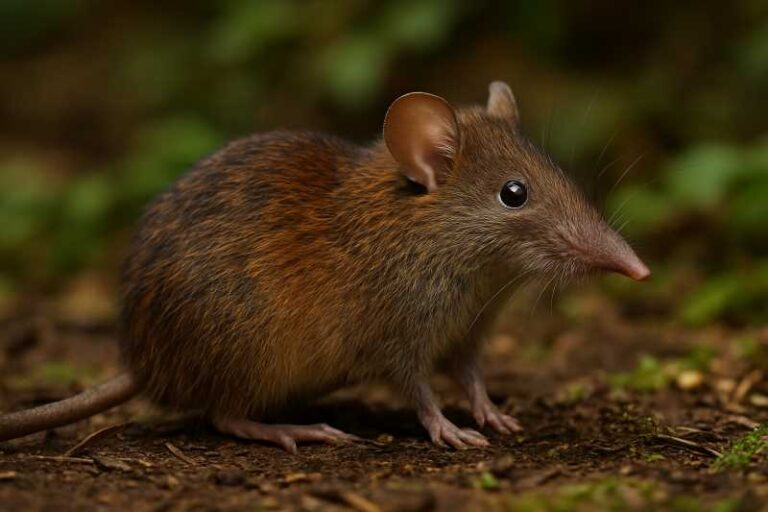
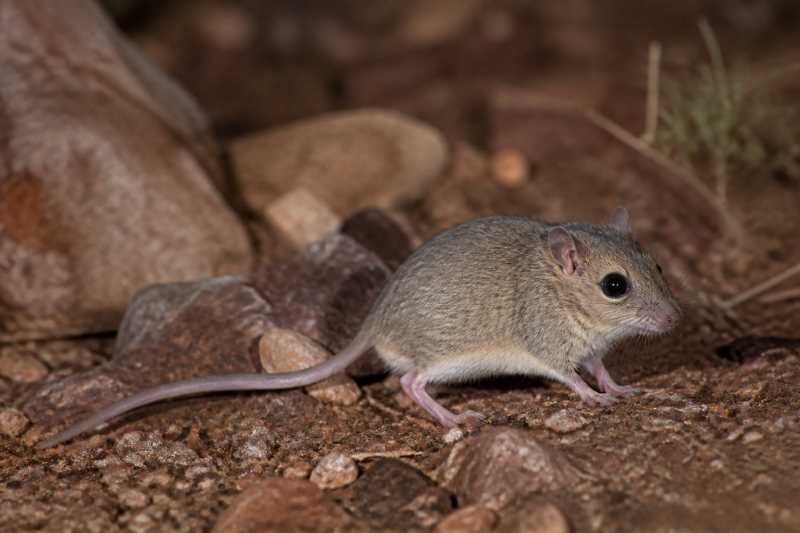
The East African Pouched Mouse is a diminutive rodent, typically measuring between 9 to 12 centimeters in body length, with a tail that adds another 5 to 10 centimeters. This species is characterized by its soft, dense fur, which varies in color from grayish-brown to a more reddish hue, depending on the region and environmental factors. The underbelly is generally lighter, often presenting as a creamy white.
One of the most distinctive features of the Saccostomus mearnsi is its cheek pouches, which are used to carry food and nesting materials. These pouches are an evolutionary adaptation that allows the mouse to gather and transport food efficiently, minimizing exposure to predators. The eyes are large and prominent, adapted for nocturnal activity, while the ears are relatively small and rounded.
The species exhibits sexual dimorphism, with males typically being slightly larger than females. However, both sexes share similar coloration and physical traits, making it challenging to differentiate them in the field without closer inspection.
Range and Habitat
Saccostomus mearnsi is predominantly found in East African countries, including Kenya, Tanzania, Uganda, and parts of Ethiopia. Its range extends across various habitats, from savannas and open grasslands to scrublands and semi-arid regions. This adaptability to different environments is a testament to the species’ resilience and survival strategies.
The East African Pouched Mouse favors areas with loose, sandy soils that facilitate the construction of burrows. These burrows serve as protection from predators and harsh environmental conditions, as well as a storage space for food. The species is also known to inhabit agricultural fields, where it can be both a pest and a contributor to pest control by feeding on insects.
Behavior and Diet
The East African Pouched Mouse is primarily nocturnal, with peak activity occurring during the cooler hours of the night. This behavior helps the species avoid the high temperatures typical of its habitat and reduces the risk of predation.
In terms of diet, Saccostomus mearnsi is omnivorous, feeding on a varied diet that includes seeds, fruits, insects, and small invertebrates. The cheek pouches are particularly useful for transporting food back to the burrow, where it can be consumed later. This species is known for its ability to survive on limited water sources, obtaining necessary moisture from its food.
Socially, the East African Pouched Mouse is relatively solitary, with individuals maintaining their own territory. However, during the breeding season, which generally occurs during the wetter months, males and females will come together for mating. Females typically give birth to litters of 2 to 5 young, which are weaned after about three weeks.
Identification Tips (Field Recognition Cues)
Identifying the East African Pouched Mouse in the field can be challenging due to its small size and nocturnal habits. However, there are several key features to look for:
- Size and Shape: Look for a small rodent with a robust body, short limbs, and a relatively short tail compared to other mice.
- Fur Color: Note the grayish-brown to reddish fur with a lighter underbelly.
- Cheek Pouches: These are noticeable when the mouse is carrying food.
- Ear Shape: Rounded, small ears that are less prominent than those of other rodent species.
- Behavior: Observing nocturnal activity and burrow usage can also aid in identification.
Conservation Status (with Threats and Protections)
The East African Pouched Mouse is currently classified as "Least Concern" by the International Union for Conservation of Nature (IUCN). This status reflects the species’ broad distribution, presumed large population, and adaptability to a range of habitats.
However, the species does face several threats, including habitat loss due to agricultural expansion and human settlement, predation by domestic animals, and potential climate change impacts. While not currently endangered, continued monitoring of population trends and habitat changes is crucial.
Conservation efforts focus on habitat protection and sustainable agricultural practices that minimize habitat destruction. Education and awareness programs in local communities can also help mitigate human-wildlife conflict and promote coexistence.
Frequently Asked Questions
What is the East African Pouched Mouse’s primary diet?
The East African Pouched Mouse is omnivorous, feeding on seeds, fruits, insects, and small invertebrates. It uses its cheek pouches to transport food.
How does the East African Pouched Mouse adapt to its environment?
This species adapts by being nocturnal to avoid heat, using burrows for protection, and surviving on minimal water by obtaining moisture from food.
What threats does the East African Pouched Mouse face?
Threats include habitat loss due to agriculture, predation by domestic animals, and potential climate change impacts, though it remains classified as "Least Concern."
How can I identify an East African Pouched Mouse in the wild?
Look for a small rodent with grayish-brown to reddish fur, a lighter underbelly, noticeable cheek pouches, and nocturnal behavior.
What conservation measures are in place for the East African Pouched Mouse?
Conservation measures include habitat protection, sustainable agriculture, and community education to reduce human-wildlife conflict.
Related posts