Introduction
The Elegant Margareta Rat, scientifically known as Margaretamys elegans, is a captivating species of rodent endemic to Indonesia. This little-known mammal is part of the family Muridae, a diverse group that includes over 700 species worldwide. Known for its distinctive features and elusive nature, the Elegant Margareta Rat plays a unique role in its native ecosystems.
This article delves into the world of the Elegant Margareta Rat, exploring its physical characteristics, habitat preferences, behavior, diet, and conservation status. We also provide practical identification tips for those keen on observing this species in its natural surroundings.
Physical Description
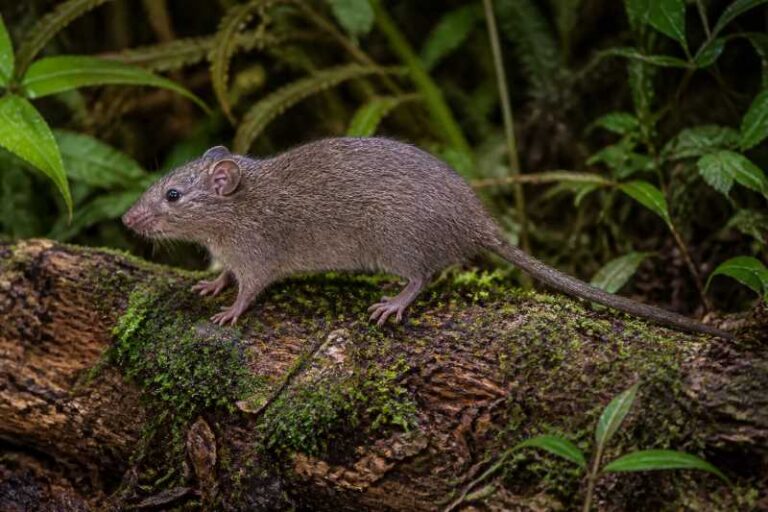
The Elegant Margareta Rat is aptly named for its graceful appearance. It possesses a slender body, typically measuring between 18 to 22 centimeters in length, excluding the tail. The tail itself is notably long, often surpassing the length of the body, and is covered with fine, sparse hair. This adaptation aids in balance and agility, crucial for navigating the forest canopy.
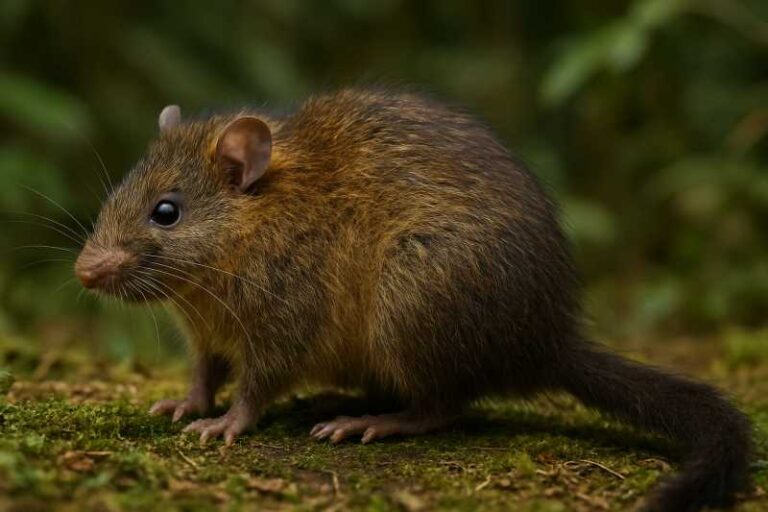
The fur of Margaretamys elegans is soft and dense, with a distinctive coloration that aids in camouflage. Its dorsal side is usually a rich, dark brown, blending seamlessly with the forest floor, while the underparts are lighter, often a soft cream or white. This color differentiation is crucial for avoiding predators in their natural habitat.
The ears of the Elegant Margareta Rat are relatively large and rounded, enhancing its auditory capabilities, while its eyes are proportionally large, indicative of its nocturnal lifestyle. The whiskers are long and sensitive, playing a vital role in spatial orientation and environmental interaction.
Range and Habitat
Endemic to the Indonesian archipelago, the Elegant Margareta Rat is primarily found on the island of Sulawesi. Its range is relatively limited, with populations concentrated in montane and submontane forests. These habitats provide the dense canopy cover and abundant resources necessary for the species’ survival.
The preferred habitat of Margaretamys elegans is characterized by high humidity, dense vegetation, and a complex structure of understory and canopy layers. This environment allows the rat to utilize its climbing abilities, accessing food resources and potential nesting sites high above the ground. The presence of mature trees and a rich understory is crucial for the species, offering both shelter and sustenance.
Behavior and Diet
The Elegant Margareta Rat is primarily nocturnal, spending the daylight hours concealed within the dense foliage or in burrows. At night, it becomes active, foraging for food under the cover of darkness. Its diet is omnivorous, comprising a variety of fruits, seeds, and small invertebrates, which provide essential nutrients.
Socially, Margaretamys elegans tends to be solitary or found in small family groups. Communication is likely facilitated through vocalizations, scent markings, and tactile interactions, although detailed studies on their social behavior are limited.
The rat’s arboreal nature is reflected in its adept climbing skills. It often uses its long tail and agile limbs to navigate the branches, an adaptation that not only aids in foraging but also in evading terrestrial predators.
Identification Tips (Field Recognition Cues)
Identifying the Elegant Margareta Rat in the field requires keen observation and an understanding of its unique characteristics:
- Size and Shape: Look for a slender, medium-sized rodent with a notably long tail.
- Fur Coloration: Observe the dark brown dorsal fur and lighter underparts.
- Ears and Eyes: Note the large, rounded ears and prominent eyes.
- Behavior: Watch for nocturnal activity and agile climbing in forested habitats.
Conservation Status (with Threats and Protections)
The Elegant Margareta Rat is currently classified as a species of least concern by the International Union for Conservation of Nature (IUCN). However, its limited range and specific habitat requirements make it vulnerable to environmental changes.
Threats:
- Habitat Loss: Deforestation for agriculture and urban development poses a significant threat to its habitat.
- Climate Change: Alterations in climate patterns may impact the availability of resources and habitat conditions.
Protections:
- Protected Areas: Some populations reside within protected forest reserves, offering a degree of conservation security.
- Conservation Programs: Efforts to conserve Sulawesi’s montane forests indirectly benefit the species.
Frequently Asked Questions
What does the Elegant Margareta Rat eat?
The Elegant Margareta Rat has an omnivorous diet, primarily consisting of fruits, seeds, and small invertebrates.
Where can the Elegant Margareta Rat be found?
This species is endemic to the island of Sulawesi in Indonesia, mainly inhabiting montane and submontane forests.
How can you identify an Elegant Margareta Rat in the wild?
Look for a medium-sized rodent with a long tail, dark brown dorsal fur, lighter underparts, large ears, and prominent eyes, especially active at night.
Is the Elegant Margareta Rat endangered?
Currently, it is not considered endangered, but habitat loss and climate change pose significant threats to its population.
What are the main threats to the Elegant Margareta Rat?
The primary threats include habitat destruction due to deforestation and the impacts of climate change.
Related posts