Indomalayan Long-tailed Climbing Mouse: A Comprehensive Guide
Introduction
The Indomalayan Long-tailed Climbing Mouse, scientifically known as Vandeleuria oleraceus, is a fascinating species belonging to the family Muridae. This small, arboreal rodent is renowned for its distinctive long tail and adept climbing abilities. Native to the Indomalayan region, this species plays a vital role in the ecosystem as both a seed disperser and a prey species. In this article, we’ll delve into the various aspects of the Indomalayan Long-tailed Climbing Mouse, from its physical characteristics to its behavior, habitat, and conservation status.
Physical Description
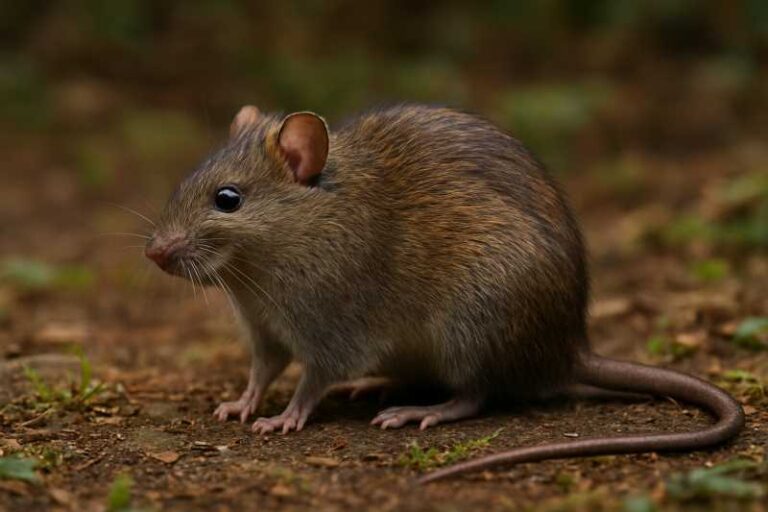
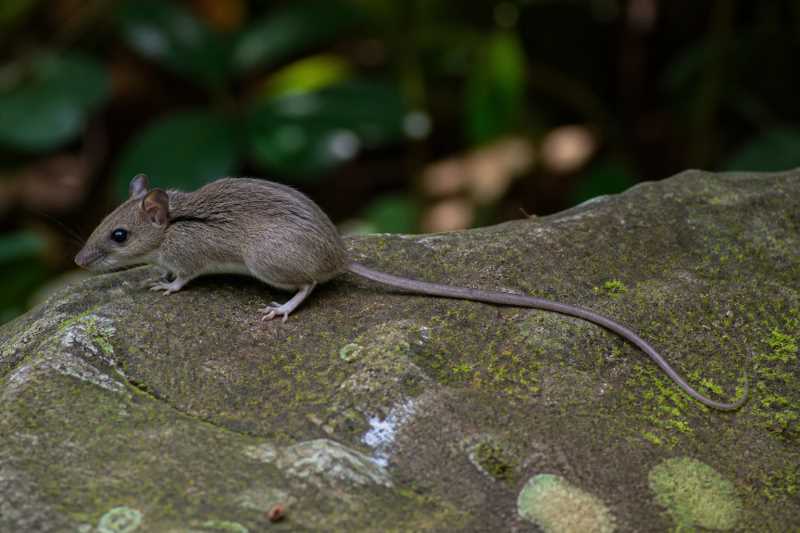
The Indomalayan Long-tailed Climbing Mouse is a small mammal, typically measuring between 9 to 11 centimeters in body length, with an exceptionally long tail that can be up to 15 centimeters. This proportionally long tail is not just for show; it plays a crucial role in their arboreal lifestyle, providing balance and agility as they navigate through trees.
The mouse has soft, dense fur that is generally grayish-brown on the dorsal side and lighter on the ventral side, providing effective camouflage in its natural habitat. Its large, prominent eyes are well adapted for nocturnal activity, complemented by its sensitive whiskers that aid in spatial navigation.
Range and Habitat
The Indomalayan Long-tailed Climbing Mouse is predominantly found in the tropical and subtropical forests of the Indomalayan region. This includes parts of India, Southeast Asia, and the southern regions of China. They are highly adaptable and can thrive in various forested environments, ranging from lowland rainforests to montane forests.
These mice are highly arboreal, spending most of their life in the tree canopy. Their habitat preference includes areas with dense foliage and ample food resources. They are particularly fond of environments where there is a rich diversity of fruiting and flowering plants, which provide both sustenance and nesting materials.
Behavior and Diet
The Indomalayan Long-tailed Climbing Mouse is primarily nocturnal, with peak activity occurring during the night. This nocturnal behavior helps them avoid many of the diurnal predators in their ecosystem.
Their diet is omnivorous, consisting mainly of seeds, fruits, and insects. They play a crucial ecological role as seed dispersers, aiding in forest regeneration. By consuming a diverse array of seeds and fruits, they help in the distribution of plant species across their habitat.
Socially, these mice are relatively solitary creatures, except during the breeding season when males and females come together to mate. Females are known to be fiercely protective of their young, constructing elaborate nests in the tree canopy to ensure their safety.
Identification Tips (Field Recognition Cues)
Identifying the Indomalayan Long-tailed Climbing Mouse in the field involves a combination of visual and behavioral cues:
- Tail Length: Look for a mouse with a tail significantly longer than its body. The tail is often used for balance in the arboreal environment.
- Nocturnal Activity: Observations are best conducted at night when the mouse is active.
- Fur Coloration: Note the grayish-brown fur with lighter underparts, which provides camouflage among tree branches.
- Behavior: Watch for its climbing and jumping abilities among trees, indicative of its arboreal lifestyle.
- Habitat: Typically found in dense, forested areas with plenty of foliage.
Conservation Status (with Threats and Protections)
Currently, the Indomalayan Long-tailed Climbing Mouse is classified as a species of Least Concern by the International Union for Conservation of Nature (IUCN). However, there are several threats that could impact their populations in the future.
Threats
- Habitat Loss: Deforestation for agriculture and urban development poses a significant threat to their natural habitat.
- Climate Change: Alterations in climate patterns can affect food availability and habitat conditions.
- Predation: Increased predation from invasive species and domestic animals.
Protections
Conservation efforts are focused on habitat preservation. Protected areas and national parks within their range provide safe havens for these mice. Additionally, reforestation and afforestation projects help restore their natural habitats.
Frequently Asked Questions
What do Indomalayan Long-tailed Climbing Mice eat?
Indomalayan Long-tailed Climbing Mice have an omnivorous diet, primarily consisting of seeds, fruits, and insects, which makes them important seed dispersers in their ecosystem.
Where can I find the Indomalayan Long-tailed Climbing Mouse?
These mice are found in the tropical and subtropical forests of the Indomalayan region, including parts of India, Southeast Asia, and southern China, particularly in areas with dense foliage.
How can I identify an Indomalayan Long-tailed Climbing Mouse?
Key identification features include a body length of 9-11 cm, a tail longer than the body, grayish-brown fur with lighter underparts, and their adept climbing abilities.
Are Indomalayan Long-tailed Climbing Mice endangered?
Currently, they are listed as a species of Least Concern by the IUCN, but ongoing threats like habitat destruction and climate change could impact their population.
What role do Indomalayan Long-tailed Climbing Mice play in the ecosystem?
They are vital for seed dispersal and help maintain plant diversity in their habitats, supporting forest regeneration and ecological balance.
Related posts