Introduction
The Southern Groove-toothed Shrew Mouse, scientifically known as Microhydromys argenteus, represents a fascinating yet relatively obscure member of the rodent family. This elusive small mammal, native to the dense, humid forests of New Guinea, is a testament to the rich biodiversity found in this region. Despite its diminutive size, the Southern Groove-toothed Shrew Mouse plays a crucial ecological role, particularly in terms of seed dispersal and as a prey species for larger predators. In this article, we delve into the various aspects of this intriguing species, covering its physical characteristics, habitat preferences, behavioral traits, and conservation status.
Physical Description
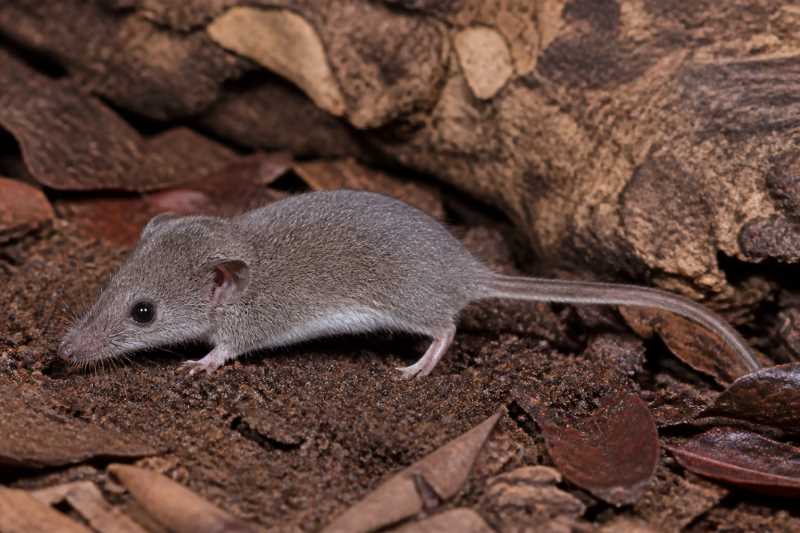
Microhydromys argenteus is a small rodent, characterized by a slender body and a long tail, often exceeding the length of its body. Adult individuals typically measure between 7 to 10 centimeters in body length, with tails adding an additional 9 to 12 centimeters. Weighing in at a mere 10 to 15 grams, this species is adapted for a life of agility and speed, essential traits for survival in the dense underbrush of its forest home.
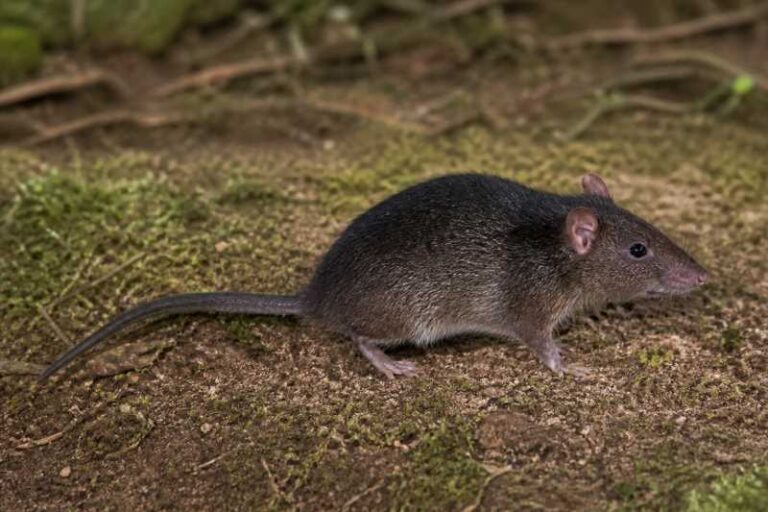
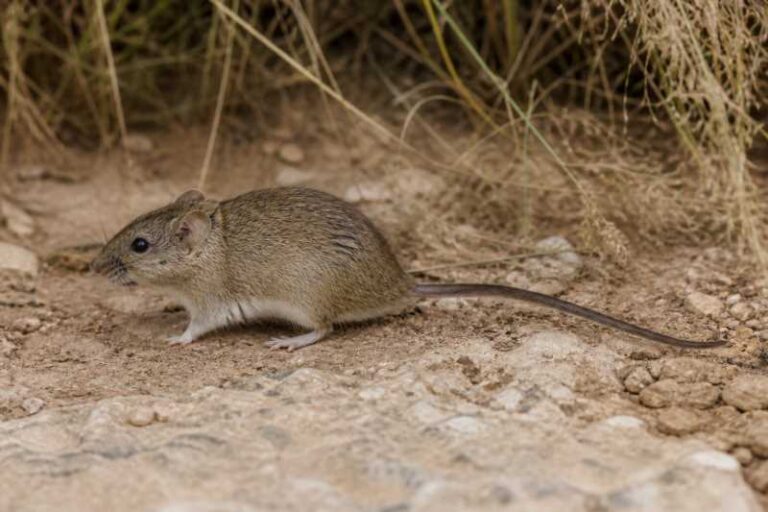
The fur of the Southern Groove-toothed Shrew Mouse is soft and dense, providing adequate insulation against the cool, moist conditions typical of its habitat. The dorsal side exhibits a silver-grey coloration, which aids in camouflage among the forest floor’s leaf litter, while the ventral side is a lighter grey or white. The species is named for its unique dental structure, which includes grooved incisors—an adaptation thought to be associated with its insectivorous diet.
Range and Habitat
The Southern Groove-toothed Shrew Mouse is endemic to the island of New Guinea, with its range primarily confined to the southern lowland and montane forests. This region, characterized by high rainfall and a warm, humid climate, provides the ideal environment for the species. Within these forests, Microhydromys argenteus is usually found in areas with abundant ground cover, such as leaf litter and fallen logs, which offer both food resources and protection from predators.
They thrive in both primary and secondary forests, demonstrating a degree of adaptability to human-altered landscapes, provided that sufficient cover and food resources remain. The elevation range for this species spans from near sea level up to approximately 1,500 meters, allowing it to exploit a variety of microhabitats within its range.
Behavior and Diet
Primarily nocturnal, the Southern Groove-toothed Shrew Mouse is most active during the cooler nighttime hours. This behavior serves as an adaptation to avoid daytime predators and the heat of the day. During the night, they engage in foraging activities, primarily searching for insects, which constitute the bulk of their diet. Their grooved incisors are particularly well-suited for breaking into the exoskeletons of insects, making them efficient hunters of small arthropods.
In addition to insects, these shrew mice may consume other small invertebrates and occasionally seeds, although their role in seed dispersal is likely minimal compared to their insectivore role. Socially, they are generally solitary, coming together only for mating purposes. Territorial in nature, individuals maintain small home ranges which they vigorously defend against intruders.
Identification Tips (field recognition cues)
Identifying the Southern Groove-toothed Shrew Mouse in the field requires attention to several key characteristics:
- Size and Shape: Look for a small rodent with a long tail exceeding body length, usually in the range of 16-22 centimeters total.
- Coloration: Note the distinctive silver-grey dorsal fur and lighter grey or white ventral side, which are key visual cues.
- Dental Structure: Although difficult to observe in the field, the grooved incisors are unique to this species among similar-sized rodents.
- Behavior: Observe nocturnal activity and foraging patterns, particularly around leaf litter and ground cover.
- Habitat: Focus on areas within lowland to montane forests with dense underbrush and leaf litter.
Conservation Status (with threats and protections)
As of the latest assessments, the Southern Groove-toothed Shrew Mouse is classified as Least Concern on the IUCN Red List. Despite this seemingly reassuring status, the species faces several threats that could alter its conservation status in the future.
Threats:
- Habitat Destruction: Deforestation for agricultural expansion, logging, and human settlement is the most significant threat, leading to habitat fragmentation and loss.
- Predation and Competition: Increased presence of invasive species, such as domestic cats and dogs, poses a risk to native rodent populations.
Protections:
- Protected Areas: Some populations are found within the boundaries of protected national parks and reserves, offering a degree of habitat security.
- Conservation Programs: Efforts to preserve New Guinea’s unique ecosystems indirectly benefit the shrew mouse by maintaining forest cover and biodiversity.
Frequently Asked Questions
What does the Southern Groove-toothed Shrew Mouse eat?
The Southern Groove-toothed Shrew Mouse primarily feeds on insects and other small invertebrates. Occasionally, it may consume seeds, but its diet is largely insectivorous. Its grooved incisors are specially adapted for this diet, allowing it to efficiently process its prey.
Where can the Southern Groove-toothed Shrew Mouse be found?
This species is endemic to New Guinea, primarily inhabiting the southern lowland and montane forests. It thrives in areas with dense ground cover and is adaptable to both primary and secondary forest environments.
How can I identify a Southern Groove-toothed Shrew Mouse in the wild?
To identify this species, look for a small rodent with silver-grey dorsal fur, a long tail, and a nocturnal lifestyle. Pay attention to its habitat preference for dense forest underbrush.
What are the main threats to the Southern Groove-toothed Shrew Mouse?
The primary threats include habitat destruction due to deforestation, and predation by invasive species such as domestic cats. Conservation efforts focus on habitat protection and maintaining biodiversity.
Is the Southern Groove-toothed Shrew Mouse endangered?
Currently, it is listed as Least Concern on the IUCN Red List. However, ongoing threats like habitat loss could impact its population in the future, necessitating continued conservation vigilance.
Related posts