Introduction
The Ethiopian Three-toed Grass Rat, scientifically known as Mylomys rex, is a fascinating rodent species native to the highlands of Ethiopia. As a member of the Muridae family, this species is distinguished by its unique adaptation to the grassland habitats it inhabits. Despite its relatively obscure status in the global context, the Ethiopian Three-toed Grass Rat plays a crucial role in its ecosystem, contributing to the biodiversity of the Ethiopian highlands. This article delves into the distinctive attributes of Mylomys rex, exploring its physical characteristics, habitat preferences, behavior, and conservation status.
Physical Description
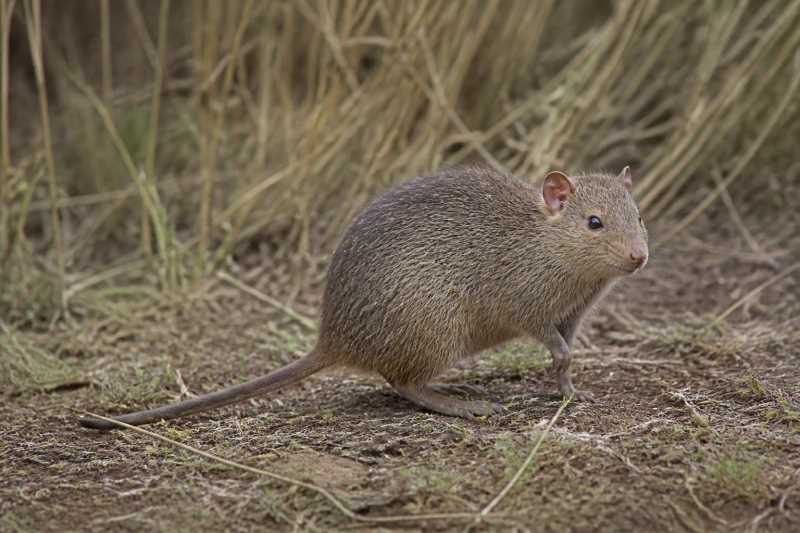
The Ethiopian Three-toed Grass Rat is a medium-sized rodent, characterized by its robust body and distinctively short limbs. Typically, an adult measures about 15 to 20 centimeters in body length, with a tail that adds an additional 12 to 16 centimeters. One of its most remarkable features is its three-toed hind feet, a rare trait among rodents that aids in its navigation through grassy terrains.
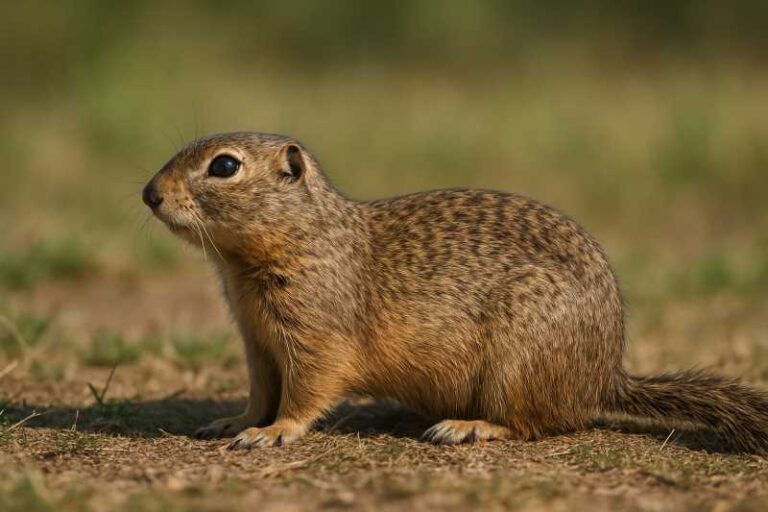
The fur of Mylomys rex is dense and soft, providing insulation against the fluctuating temperatures of its highland habitat. The coloration varies from a grayish-brown to a more reddish-brown hue, depending on the season and geographical location. This coloration offers excellent camouflage among the grasses and shrubs of its environment, protecting it from predators.
Range and Habitat
The Ethiopian Three-toed Grass Rat is endemic to Ethiopia, primarily found in the highland regions ranging from 1,500 to 3,000 meters above sea level. This species thrives in grassland habitats, particularly those interspersed with shrubs and scattered trees. Such environments offer ample food resources and shelter, crucial for survival and reproduction.
These grasslands are often characterized by a mix of indigenous grasses and herbs, providing both nutritional and protective benefits. The presence of shrubs and small trees offers additional hiding spots from predators and harsh weather conditions. The Ethiopian highlands are known for their unique biodiversity, and the Mylomys rex contributes significantly to the ecological balance of these regions.
Behavior and Diet
Mylomys rex is primarily nocturnal, with most of its activity occurring during the night. This behavior helps minimize exposure to predators and the harsh daytime temperatures. The rat is a proficient digger, creating intricate burrow systems that serve as shelters and storage for food.
The diet of the Ethiopian Three-toed Grass Rat mainly consists of grasses, seeds, and occasionally insects. It plays a vital role in seed dispersal, aiding in the propagation of various plant species within its habitat. This diet not only sustains the individual rats but also supports the broader ecosystem by maintaining the health and diversity of the plant community.
Identification Tips
Recognizing the Ethiopian Three-toed Grass Rat in the field requires attention to several key features:
- Size and Shape: Look for a medium-sized rodent with a robust build and a relatively short tail compared to the body length.
- Fur and Coloration: Note the dense, soft fur with a grayish-brown to reddish-brown color, which may vary with the season.
- Feet: The three-toed hind feet are a distinctive trait that can help differentiate this species from other rodents.
- Habitat: Typically found in Ethiopian highland grasslands, often in areas with abundant vegetation and shrub cover.
Conservation Status
The conservation status of the Ethiopian Three-toed Grass Rat is currently listed as "Least Concern" by the International Union for Conservation of Nature (IUCN). However, several threats could potentially impact its populations.
Threats
- Habitat Loss: Agricultural expansion and urbanization are major threats, leading to habitat fragmentation and loss.
- Climate Change: Alterations in climate patterns can affect the availability of food and suitable habitats.
- Predation: Increased predation by domestic and feral animals poses a risk to their populations.
Protections
Efforts to conserve the Ethiopian Three-toed Grass Rat include habitat preservation and the establishment of protected areas within the Ethiopian highlands. Conservation programs focus on maintaining the ecological integrity of these regions, thus ensuring the survival of this and other endemic species.
Frequently Asked Questions
What is the Ethiopian Three-toed Grass Rat’s primary habitat?
The Ethiopian Three-toed Grass Rat primarily inhabits the highland grasslands of Ethiopia, ranging between 1,500 and 3,000 meters above sea level.
How does the Ethiopian Three-toed Grass Rat contribute to its ecosystem?
Mylomys rex plays a crucial role in seed dispersal and maintaining plant diversity within its habitat, which supports the overall health of the ecosystem.
Are Ethiopian Three-toed Grass Rats endangered?
Currently, the Ethiopian Three-toed Grass Rat is listed as "Least Concern" by the IUCN, but it faces potential threats from habitat loss and climate change.
What are the unique physical characteristics of Mylomys rex?
The Ethiopian Three-toed Grass Rat is known for its three-toed hind feet, dense fur, and coloration that ranges from grayish-brown to reddish-brown.
How can you identify an Ethiopian Three-toed Grass Rat?
Key identification features include its medium size, robust build, three-toed hind feet, and preference for highland grassland habitats.
Related posts