Sumichrast’s Vesper Rat: A Comprehensive Guide
Introduction
Sumichrast’s Vesper Rat, scientifically known as Nyctomys sumichrasti, is a fascinating yet lesser-known rodent species that inhabits the tropical regions of Central America. Named after the French naturalist François Sumichrast, this species has captured the interest of biologists due to its unique adaptations and ecological role. Despite its elusive nature, Sumichrast’s Vesper Rat plays a significant part in the ecosystems it inhabits, contributing to seed dispersal and serving as prey for various predators. This article delves into the intriguing world of Sumichrast’s Vesper Rat, exploring its physical characteristics, habitat, behavior, and conservation status.
Physical Description
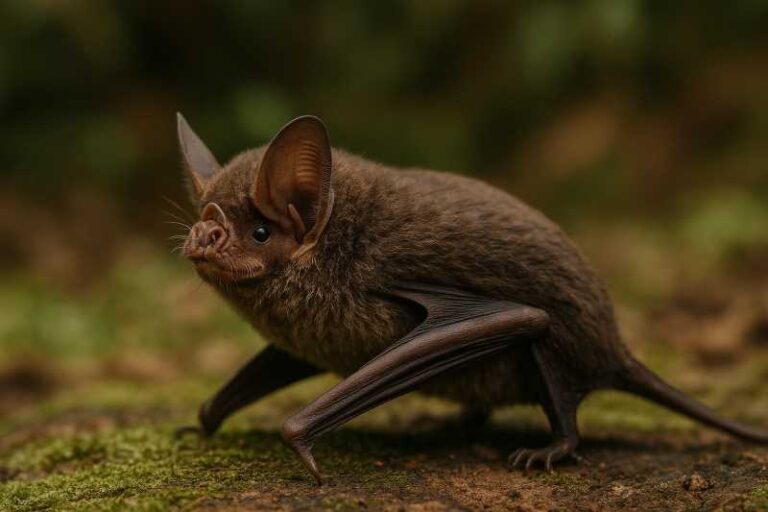
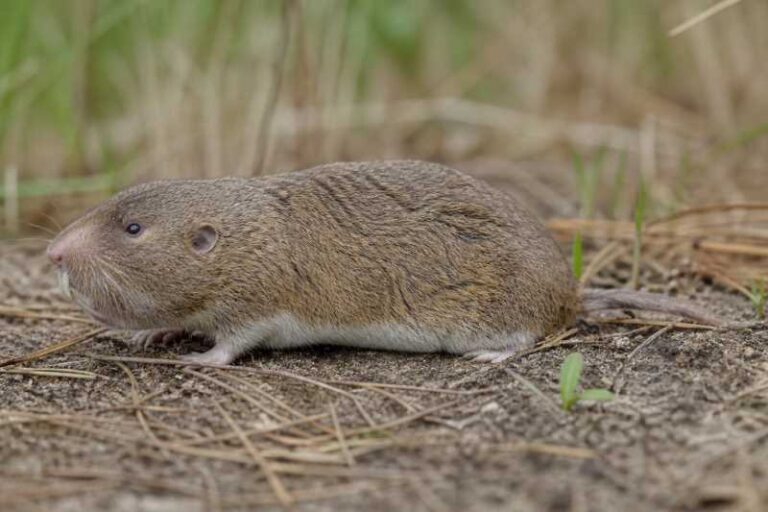
Sumichrast’s Vesper Rat is a medium-sized rodent characterized by its distinctive reddish-brown fur and large, expressive eyes. On average, adults measure about 12 to 17 centimeters in body length, with a tail extending an additional 10 to 15 centimeters. The tail is prehensile, aiding in climbing and stability among the branches of its arboreal habitat. Its fur is dense and soft, providing insulation and camouflage among the leaf litter and forest understory.
The species exhibits sexual dimorphism, with males generally slightly larger than females. Their large eyes are adapted for nocturnal activity, allowing for enhanced vision in low-light conditions. The ears are relatively small and rounded, aiding in acute hearing, which is crucial for detecting predators and foraging in the dark.
Range and Habitat
Sumichrast’s Vesper Rat is native to the tropical and subtropical regions of Central America. Its range extends from southern Mexico through Belize, Guatemala, Honduras, Nicaragua, Costa Rica, and into western Panama. The species predominantly inhabits lowland and montane forests, thriving in areas with dense vegetation that provides ample cover and foraging opportunities.
These rats are primarily arboreal, favoring the canopy and understory layers of the forest. They are most commonly found in moist tropical forests but can also inhabit secondary growth and disturbed areas, provided there is sufficient tree cover. The presence of Sumichrast’s Vesper Rat in a given area often indicates a healthy forest ecosystem, as they rely on a diversity of tree and plant species for food and shelter.
Behavior and Diet
Sumichrast’s Vesper Rat is nocturnal, spending most of its active hours foraging for food under the cover of darkness. Their diet is omnivorous, consisting of fruits, seeds, flowers, and occasionally insects and small invertebrates. This varied diet not only sustains the rats but also contributes to their role as seed dispersers, facilitating the growth of new plants and trees within their habitat.
These rodents are solitary and territorial, with individuals maintaining defined ranges that they defend from intruders. They communicate through a series of vocalizations, scent markings, and physical displays. Nesting occurs in tree hollows or among dense foliage, where they construct nests from leaves and twigs, providing shelter and protection from predators.
Breeding typically coincides with the rainy season, ensuring that offspring are born during periods of abundant food supply. Females give birth to litters of two to four young after a gestation period of approximately 30 days. The young are weaned after about four weeks, reaching sexual maturity at around three months of age.
Identification Tips (Field Recognition Cues)
Recognizing Sumichrast’s Vesper Rat in the field can be challenging due to its nocturnal and elusive nature. However, several key characteristics can aid in identification:
- Fur Coloration: Look for the distinctive reddish-brown fur, which sets it apart from other rodent species in the region.
- Tail: The prehensile tail is a notable feature, often used to stabilize while climbing.
- Eye Size: The large eyes are adapted for nocturnal activities and are a distinguishing feature.
- Behavior: Observing nocturnal foraging behavior and arboreal movement can help confirm sightings.
Conservation Status (with Threats and Protections)
The International Union for Conservation of Nature (IUCN) currently lists Sumichrast’s Vesper Rat as a species of Least Concern. Despite this classification, the species faces several threats, primarily due to habitat loss and fragmentation. Deforestation for agriculture, logging, and urban development poses significant risks, reducing the available habitat and resources necessary for their survival.
Additionally, climate change impacts, such as altered rainfall patterns and increased frequency of extreme weather events, further threaten their habitat stability. Despite these challenges, Sumichrast’s Vesper Rat benefits from residing within several protected areas and national parks throughout its range, providing some level of conservation security.
Conservation efforts focus on habitat preservation, reforestation, and raising awareness about the ecological importance of this species. Continued research and monitoring are essential to ensure the long-term survival of Sumichrast’s Vesper Rat in the wild.
Frequently Asked Questions
What is the habitat of Sumichrast’s Vesper Rat?
Sumichrast’s Vesper Rat inhabits tropical and subtropical forests in Central America, favoring areas with dense vegetation and tree cover. They are primarily arboreal, living in the canopy and understory layers of the forest.
How does Sumichrast’s Vesper Rat contribute to the ecosystem?
This species plays a crucial role in seed dispersal, aiding in the regeneration of forest vegetation. Their diet of fruits and seeds helps propagate various plant species, maintaining biodiversity within their habitat.
Are Sumichrast’s Vesper Rats endangered?
Currently, Sumichrast’s Vesper Rat is not considered endangered and is listed as a species of Least Concern by the IUCN. However, habitat loss and climate change pose ongoing threats that require monitoring and conservation efforts.
How can Sumichrast’s Vesper Rat be identified in the wild?
Identifying this species involves looking for its reddish-brown fur, prehensile tail, and large eyes. Observing nocturnal foraging and arboreal movements can also aid in recognition.
What are the main threats to Sumichrast’s Vesper Rat?
The primary threats include habitat loss due to deforestation, agriculture, and urban development, as well as the impacts of climate change on their natural environment.
Related posts