Introduction
The Piura Oldfield Mouse, scientifically known as Thomasomys lojapiuranus, is a lesser-known rodent species that plays a crucial role in the ecosystems of its native habitat. This small mammal is part of the Cricetidae family, which includes a variety of other mouse and rat species. The Piura Oldfield Mouse is named after the Piura region in Peru, where it is predominantly found. This article explores the various aspects of this intriguing species, from its physical characteristics to its conservation status and the threats it faces.
Physical Description
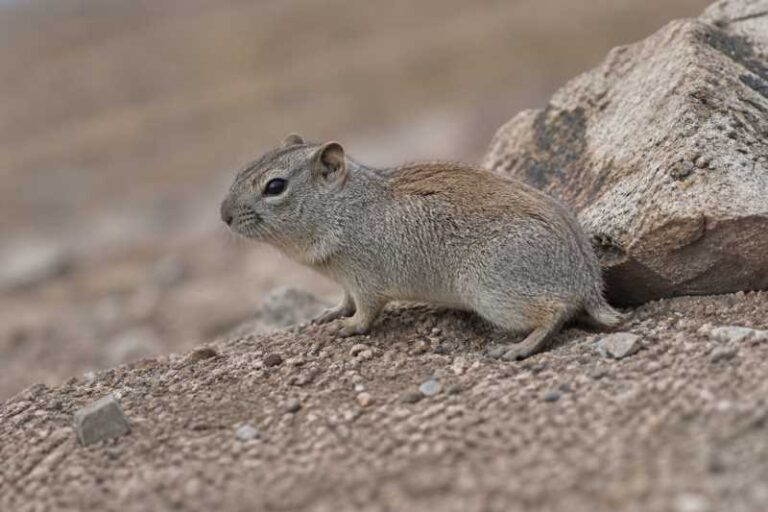
The Piura Oldfield Mouse is a small rodent, with adults typically measuring between 10 to 15 centimeters in body length, excluding the tail. The tail itself can be as long as the body, providing balance and agility as the mouse navigates its environment. The fur of the Piura Oldfield Mouse is generally soft and dense, with a coloration that ranges from a light brown to a darker gray, providing excellent camouflage against the forest floor. Underneath, the fur is usually lighter, often displaying a cream or white hue.
The mouse’s ears are relatively large and rounded, a common trait among species that rely heavily on auditory cues to detect predators and find food. Its eyes are bright and prominent, indicative of its nocturnal nature, as enhanced vision is essential for navigating and foraging during the night.
Range and Habitat
The Piura Oldfield Mouse is endemic to the Piura region in northwestern Peru. It inhabits a variety of environments, including montane cloud forests, subtropical or tropical moist lowland forests, and even some agricultural areas, showing a degree of adaptability to human-altered landscapes. These habitats provide ample food sources and the necessary cover to evade predators.
The elevation range for this species is relatively broad, from lowland areas up to mountainous regions, typically between 500 and 2,500 meters above sea level. Such versatility in habitat preference underscores the mouse’s adaptability but also highlights the challenges it might face as these environments undergo changes due to human activity and climate change.
Behavior and Diet
The Piura Oldfield Mouse is primarily nocturnal, spending the daylight hours hidden away in burrows or dense vegetation to avoid predators. At night, it emerges to forage for food. Its diet is omnivorous, consisting of seeds, fruits, small insects, and other invertebrates, making it an important species for seed dispersal and pest control.
Socially, the Piura Oldfield Mouse is generally solitary, although it may form small groups or colonies in areas with abundant resources. Communication among these mice involves a variety of vocalizations and scent markings, which help establish territories and convey reproductive status.
Identification Tips (Field Recognition Cues)
Identifying the Piura Oldfield Mouse in the field requires attention to several key characteristics:
- Size and Shape: Look for a small rodent with a body length of 10 to 15 cm and a tail of similar length.
- Fur Coloration: Note the mouse’s light brown to gray fur with a lighter underside.
- Ears and Eyes: Observe the large, rounded ears and bright, prominent eyes.
- Habitat: Consider the environment; sightings are more likely in montane cloud forests and subtropical moist lowland forests.
- Behavior: Active primarily at night, so sightings are more common during dusk and dawn.
Conservation Status (with Threats and Protections)
The conservation status of the Piura Oldfield Mouse is currently not well-documented, primarily due to the lack of comprehensive studies on the species. However, like many other species within its range, it is potentially threatened by habitat destruction, especially due to deforestation for agriculture and urbanization.
Conservation efforts for the Piura Oldfield Mouse would benefit from increased research to better understand its population dynamics and habitat requirements. Protecting its natural habitat through the establishment of protected areas and sustainable land-use practices is crucial. Additionally, public education initiatives can raise awareness about the species and its ecological importance.
Frequently Asked Questions
What is the Piura Oldfield Mouse’s role in its ecosystem?
The Piura Oldfield Mouse plays a vital role as both a seed disperser and a controller of insect populations. Its omnivorous diet helps maintain ecological balance by spreading plant seeds and reducing pest numbers.
How does the Piura Oldfield Mouse adapt to its environment?
This mouse adapts through its diverse diet and habitat flexibility, allowing it to thrive in various environments, from forests to agricultural lands. Its nocturnal behavior also aids in avoiding predators.
What are the major threats to the Piura Oldfield Mouse?
Major threats include habitat destruction due to deforestation and land conversion for agriculture. Climate change may also impact its habitat range, affecting food availability and shelter.
How can conservation efforts be improved for this species?
Conservation efforts can be improved by conducting more research to fill knowledge gaps, establishing protected areas, and promoting sustainable land management practices to preserve its habitat.
Why is it important to conserve the Piura Oldfield Mouse?
Conserving the Piura Oldfield Mouse is important because it contributes to biodiversity and ecological stability in its native habitats. Protecting it also helps ensure the health of the entire ecosystem.
Related posts