Introduction
Antonio Brack’s Oldfield Mouse, scientifically known as Thomasomys antoniobracki, is a captivating rodent species that has garnered significant interest among mammalogists and conservationists. Named after the renowned Peruvian ecologist Antonio Brack Egg, this species is a part of the diverse and ecologically significant rodent family, Cricetidae. Found primarily in the Andean regions, this mouse is not just another small mammal; it plays a crucial role in maintaining the ecological balance of its habitat. In this comprehensive article, we delve into various aspects of Thomasomys antoniobracki, from its physical attributes to its behaviors, habitat, and the conservation efforts aimed at preserving this unique species.
Physical Description
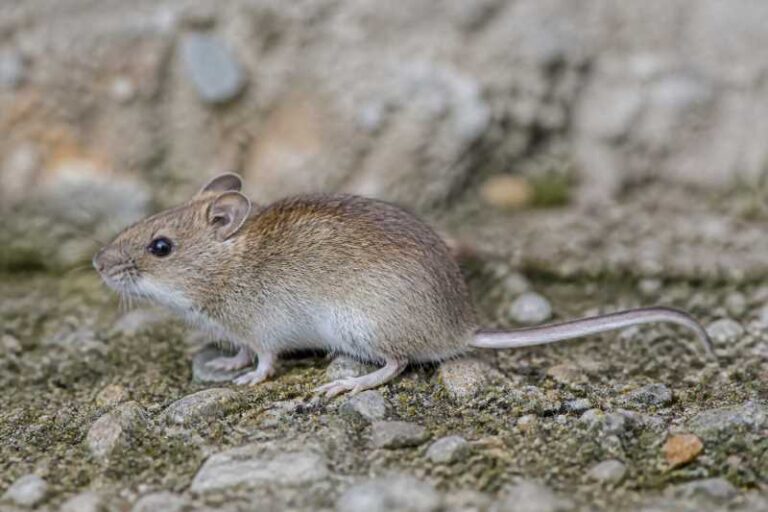
Thomasomys antoniobracki exhibits the typical morphological features characteristic of the genus Thomasomys, yet it holds distinct traits that make it stand out. This species is relatively small, with an average body length ranging from 10 to 15 centimeters, excluding the tail, which can add an additional 12 to 16 centimeters. The fur of Antonio Brack’s Oldfield Mouse is dense and soft, exhibiting a predominantly brown color on the dorsal side, which provides camouflage against the forest floor and leaf litter. The underbelly is a lighter grayish-white, offering a stark contrast.
The mouse’s ears are moderately large and rounded, often covered with fine hair, enhancing its hearing capabilities, crucial for detecting predators. The eyes are prominent and dark, reflecting its nocturnal lifestyle. A key distinguishing feature is its long whiskers, which serve as sensory tools to navigate through its environment, especially during nighttime foraging activities.
Range and Habitat
Antonio Brack’s Oldfield Mouse is endemic to Peru, specifically inhabiting the montane forests of the Andes. Its range is restricted to high-altitude regions, generally between 2,000 to 3,500 meters above sea level. These areas are characterized by a unique blend of flora and fauna, with dense vegetation providing both shelter and food resources.
The preferred habitat of Thomasomys antoniobracki includes cloud forests and elfin woodlands, where the climate is cool and humid. This environment supports a rich diversity of plant life, including mosses, ferns, and various flowering plants, which form the basis of its diet. The availability of dense ground cover is crucial, offering protection from predators and harsh weather conditions.
Behavior and Diet
Antonio Brack’s Oldfield Mouse is primarily nocturnal, with most of its activities occurring under the cover of darkness. This behavior reduces the risk of predation and competition for food resources. The mouse is solitary, except during the breeding season when males and females interact for mating purposes.
The diet of Thomasomys antoniobracki is omnivorous, consisting mainly of seeds, fruits, and small invertebrates. Its foraging habits play an essential role in seed dispersal, contributing to the regeneration of its forest habitat. The mouse’s ability to climb effectively allows it to access a variety of food sources, including those found on shrubs and lower tree branches.
Identification Tips (Field Recognition Cues)
Identifying Thomasomys antoniobracki in the field can be challenging due to its elusive nature and resemblance to other small rodents. However, some key tips can aid in its identification:
- Fur Coloration: Look for the distinct brown dorsal fur and lighter grayish-white underbelly.
- Tail Length: Note the relatively long tail, which is nearly equal to or longer than the body length.
- Ear Shape: Observe the large, rounded ears covered with fine hairs.
- Whisker Length: The presence of notably long whiskers is a distinguishing feature.
- Behavior Patterns: Activity is primarily nocturnal, with foraging observed at night.
Conservation Status (With Threats and Protections)
Currently, the conservation status of Antonio Brack’s Oldfield Mouse is not well-documented due to limited research. However, like many species endemic to the Andes, it faces potential threats. Habitat destruction due to agricultural expansion, deforestation, and climate change are significant concerns that could impact its population.
Conservation efforts are critical to preserving the montane ecosystems that Thomasomys antoniobracki inhabits. Protected areas and national parks in Peru provide some refuge, but increased research and monitoring are necessary to develop effective conservation strategies. Engaging local communities in conservation efforts and promoting sustainable land-use practices are also vital components of protecting this species.
Frequently Asked Questions
1. What is the primary diet of Antonio Brack’s Oldfield Mouse?
Antonio Brack’s Oldfield Mouse is omnivorous, feeding on a diet that includes seeds, fruits, and small invertebrates. This diet not only sustains the mouse but also supports the ecological health of its habitat through seed dispersal.
2. Where can Antonio Brack’s Oldfield Mouse be found?
This species is found in the montane forests of the Andes in Peru, specifically at altitudes ranging from 2,000 to 3,500 meters. It thrives in cloud forests and elfin woodlands, where it finds ample food and shelter.
3. Why is Antonio Brack’s Oldfield Mouse important to its ecosystem?
The mouse plays a crucial role in seed dispersal, contributing to forest regeneration and the overall health of its ecosystem. Its presence indicates a balanced and healthy montane forest environment.
4. What are the main threats to Antonio Brack’s Oldfield Mouse?
Habitat destruction due to deforestation, agricultural expansion, and climate change poses significant threats to this species. Conservation efforts are needed to mitigate these impacts and preserve its habitat.
5. How can Antonio Brack’s Oldfield Mouse be identified in the wild?
Key identification features include its brown dorsal fur, grayish-white underbelly, long tail, large rounded ears, and long whiskers. Observing these traits can help distinguish it from other small rodents.
Related posts