Introduction
Anita’s leaf-eared mouse, scientifically known as Phyllotis anitae, is a fascinating rodent species within the family Cricetidae. This intriguing mammal is named after its characteristic leaf-shaped ears, which distinguish it from other members of the genus Phyllotis. Native to South America, Anita’s leaf-eared mouse occupies a unique niche within its ecosystem and plays a crucial role in maintaining ecological balance.
This article delves into the intricate details of Phyllotis anitae, exploring its physical characteristics, habitat preferences, behavior, and conservation status. Additionally, we provide useful identification tips for field enthusiasts and answer some frequently asked questions about this captivating species.
Physical Description
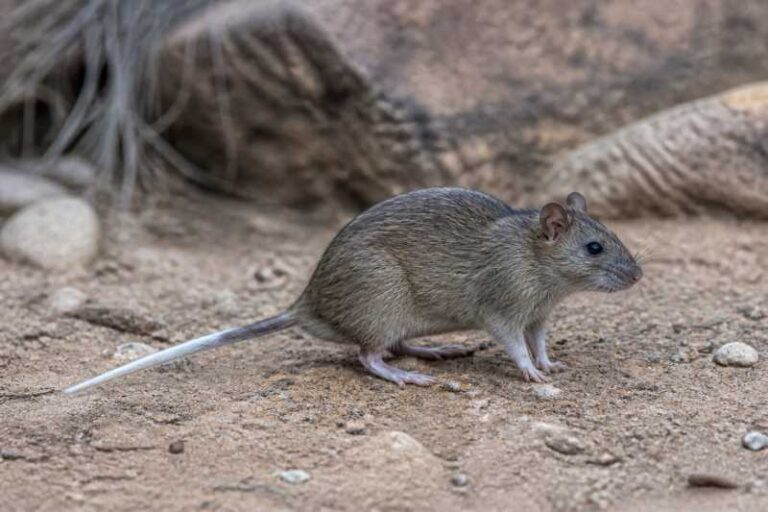
Anita’s leaf-eared mouse is a small rodent, typically measuring between 10 to 15 centimeters in length, with a tail that often matches or slightly exceeds the body length. Weighing in at around 40 to 60 grams, this species is characterized by its agile and slender build, advantageous for navigating its native landscapes.
The most distinctive feature of Phyllotis anitae is its leaf-shaped ears, which are larger and more pronounced than those of other related mouse species. These ears are not only a defining characteristic but also serve a functional role, enhancing the mouse’s auditory capabilities. The fur of Anita’s leaf-eared mouse is typically a blend of gray and brown hues, providing excellent camouflage against the rocky and shrub-laden terrains it inhabits.
Notably, the underbelly of the mouse is lighter, often appearing in shades of white or cream, which contrasts with its darker dorsal side. This coloration supports the animal’s need for concealment from predators, as it blends seamlessly into its environment.
Range and Habitat
Anita’s leaf-eared mouse is primarily found in the Andean regions of South America, with its range extending across parts of Peru, Bolivia, and northern Chile. This species thrives in mountainous and rocky environments, typically at elevations ranging from 1,500 to 4,000 meters above sea level.
The mouse’s habitat is characterized by sparse vegetation, including shrubs and grasses that provide both cover and food sources. These areas offer a variety of hiding spots within crevices and under rocks, which are essential for avoiding predation. Despite the harsh conditions of its habitat, Phyllotis anitae is well-adapted to survive in these high-altitude environments, where temperatures can fluctuate dramatically between day and night.
Behavior and Diet
Anita’s leaf-eared mouse is primarily nocturnal, with its activity peaking during the cooler hours of dusk and dawn. This behavioral adaptation helps it avoid the extreme daytime temperatures of its high-altitude habitat. The species is known for its keen sense of hearing and agility, which are crucial for detecting predators and navigating the rugged terrain.
The diet of Phyllotis anitae consists mainly of seeds, fruits, and vegetation native to its habitat. The mouse plays a significant role in seed dispersal, which is vital for maintaining the ecological balance of its environment. Additionally, it may occasionally consume insects, providing a source of protein and aiding in the regulation of insect populations.
Socially, Anita’s leaf-eared mouse tends to be solitary, with individuals maintaining distinct territories. However, during the breeding season, which typically occurs in the warmer months, males may exhibit increased territorial aggression as they compete for mates.
Identification Tips (Field Recognition Cues)
Identifying Anita’s leaf-eared mouse in the field can be challenging due to its elusive nature and the similarity it shares with other rodent species in its range. However, several key characteristics can aid in accurate identification:
- Ears: The most distinctive feature is the large, leaf-shaped ears, which are proportionately larger than those of other mice.
- Size and Build: Look for a small, slender body with a long tail, typically matching or exceeding the length of the body itself.
- Coloration: The gray and brown fur provides camouflage, with a lighter underbelly that contrasts sharply with the darker dorsal side.
- Habitat: Typically found in high-altitude, rocky environments within the Andes.
When observing in the field, patience and a keen eye are essential, as the mouse is quick to retreat into its numerous hiding spots.
Conservation Status (With Threats and Protections)
The conservation status of Anita’s leaf-eared mouse is currently classified as "Least Concern" by the International Union for Conservation of Nature (IUCN). This classification indicates that the species is not currently at significant risk of extinction across its range.
However, Phyllotis anitae faces several threats that could impact its population in the future. Habitat destruction due to agricultural expansion and mining activities in the Andes poses a considerable risk, potentially leading to habitat fragmentation and loss.
Conservation measures are vital to ensuring the long-term survival of this species. Efforts include habitat protection and restoration initiatives, alongside research to better understand the ecological role and population dynamics of the species. By maintaining the integrity of its natural habitat, we can help preserve Anita’s leaf-eared mouse and its ecological contributions.
Frequently Asked Questions
Why is this species unique?
Anita’s leaf-eared mouse is unique due to its distinctive leaf-shaped ears, which not only define its appearance but also enhance its auditory capabilities. This adaptation is particularly beneficial in its mountainous habitat, where keen hearing is essential for detecting predators and communicating with potential mates.
What role does this species play in its ecosystem?
Phyllotis anitae plays a crucial ecological role as a seed disperser, aiding in the propagation of various plant species. By consuming and subsequently dispersing seeds, the mouse contributes to plant diversity and ecosystem stability in its native Andean habitats.
How can I help in the conservation efforts for Anita’s leaf-eared mouse?
Supporting conservation organizations that focus on habitat protection in the Andes is a great way to contribute. Additionally, raising awareness about the importance of preserving high-altitude ecosystems and the species that inhabit them can help garner support for conservation initiatives.
What are the major threats to this species?
The primary threats to Anita’s leaf-eared mouse include habitat destruction from agricultural and mining activities. These practices can lead to habitat fragmentation, reducing the availability of suitable environments for the species to thrive.
How does the altitude affect the behavior of this mouse?
The high-altitude environment influences the behavior of Phyllotis anitae by dictating its nocturnal activity patterns. The cooler temperatures at night reduce the risk of overheating and dehydration, allowing the mouse to forage and perform other activities more efficiently.
Related posts