Calaça’s White-tailed Mouse: A Comprehensive Guide
Introduction
Calaça’s White-tailed Mouse, scientifically known as Calassomys apicalis, is a captivating rodent species that has garnered significant attention from mammalogists and wildlife enthusiasts alike. Discovered in the mid-20th century, this elusive creature is named after the region of Calaça where it was first identified. It is a member of the Cricetidae family, which includes hamsters, voles, and other mice. Known for its distinctive white tail and reclusive nature, Calaça’s White-tailed Mouse is a subject of ongoing research, particularly concerning its habitat preferences and ecological role. This article delves into the various aspects of this fascinating species, offering insights into its physical characteristics, habitat, behavior, diet, and conservation status.
Physical Description
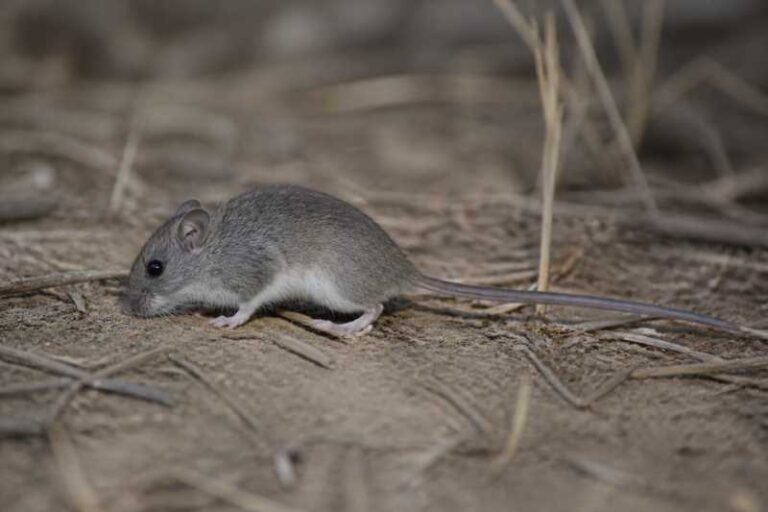
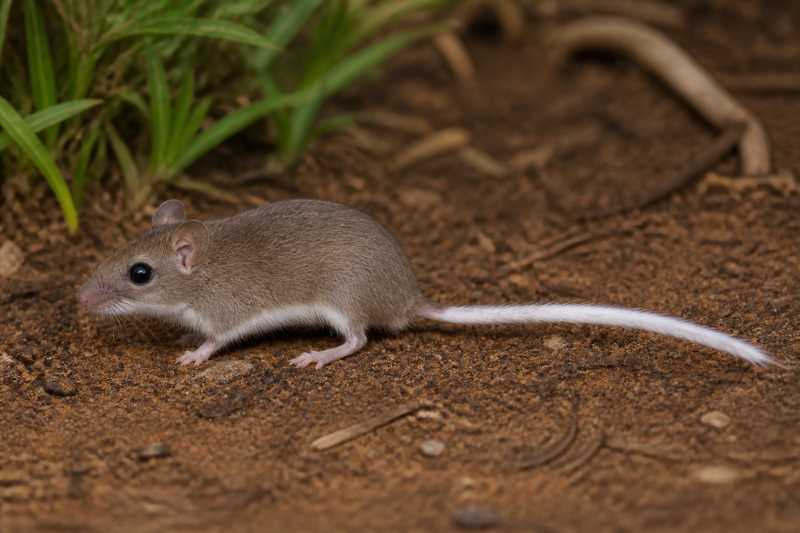
Calaça’s White-tailed Mouse is a small rodent, characterized by its compact body and striking white tail tip. Adult mice typically measure between 15 to 18 centimeters in length, including the tail, which accounts for nearly half of their total body length. They weigh approximately 40 to 60 grams, making them one of the lighter members of their family.
The fur of Calaça’s White-tailed Mouse is a soft, grayish-brown, providing excellent camouflage against the forest floor. The dorsal side is generally darker, with a subtle gradient transitioning to a lighter underbelly. Their ears are relatively small and rounded, featuring a sparse covering of hair, while their eyes are notably large, an adaptation for their nocturnal lifestyle.
Range and Habitat
Calaça’s White-tailed Mouse is endemic to specific regions of South America, with its primary range being the tropical forests and savannas of Brazil, particularly in the state of Goiás. The species thrives in dense underbrush, where vegetation offers ample cover from predators and a rich source of food.
These mice prefer environments that provide a mix of ground cover and open spaces, which facilitate their foraging activities. They are often found in proximity to water bodies, such as streams and small rivers, which help maintain the humidity levels they require. The distribution of Calaça’s White-tailed Mouse is patchy, largely influenced by the availability of suitable habitat and human-induced changes to the landscape.
Behavior and Diet
Calaça’s White-tailed Mouse is primarily nocturnal, spending the daylight hours hidden in burrows or dense vegetation to evade predators. At night, they become active, foraging for food and exploring their territory. These mice are solitary creatures, with each individual maintaining a defined home range.
Their diet consists mainly of seeds, fruits, and insects, reflecting their opportunistic feeding habits. They play a crucial role in seed dispersion, contributing to the health and regeneration of their forest habitats. During the dry season, when food is scarce, Calaça’s White-tailed Mouse may expand its diet to include fungi and small invertebrates.
Identification Tips
Identifying Calaça’s White-tailed Mouse in the field requires careful observation. Key recognition cues include:
- White Tail Tip: The most distinctive feature is the white tip of the tail, which contrasts sharply with the rest of their gray-brown body.
- Body Size and Shape: Look for a small rodent with a compact body and relatively short legs.
- Fur Coloration: Note the gradient from a darker back to a lighter belly, aiding their camouflage.
- Behavior: They are nocturnal, so sightings are more likely during dusk or nighttime.
- Habitat: Focus on areas with dense vegetation and proximity to water bodies within their known range.
Conservation Status
The conservation status of Calaça’s White-tailed Mouse is currently classified as Near Threatened by the International Union for Conservation of Nature (IUCN). The primary threats to this species are habitat destruction and fragmentation, largely due to agricultural expansion and deforestation in the Brazilian Cerrado.
Despite these challenges, some protective measures are in place. The establishment of protected areas and national parks within their range provides a refuge for the species. Continued research and conservation efforts are crucial in ensuring the survival of Calaça’s White-tailed Mouse in the wild.
Frequently Asked Questions
1. What is the primary diet of Calaça’s White-tailed Mouse?
Calaça’s White-tailed Mouse primarily feeds on seeds, fruits, and insects. Their diet can vary with seasonal availability, occasionally including fungi and small invertebrates during lean periods.
2. How does Calaça’s White-tailed Mouse contribute to its ecosystem?
As a seed disperser, Calaça’s White-tailed Mouse plays a vital role in forest regeneration. By foraging and transporting seeds, they help maintain the ecological balance and biodiversity of their habitats.
3. Are there any conservation efforts in place to protect Calaça’s White-tailed Mouse?
Yes, there are conservation efforts aimed at protecting their habitats, such as the creation of protected areas within the Brazilian Cerrado. These efforts are vital in mitigating habitat loss and preserving biodiversity.
4. How can I identify Calaça’s White-tailed Mouse in the wild?
To identify this species, look for their distinctive white tail tip, small size, and nocturnal behavior. Observations are best made in dense forest or savanna environments during dusk or nighttime.
5. Why is Calaça’s White-tailed Mouse considered Near Threatened?
The species is classified as Near Threatened primarily due to habitat loss from agricultural activities and deforestation. Conservation measures are necessary to prevent further decline.
Related posts