Introduction
The Fulvous Pygmy Rice Rat, scientifically known as Oligoryzomys fulvescens, is a small yet fascinating rodent species belonging to the family Cricetidae. This diminutive creature is often overlooked in the vast tapestry of mammalian diversity, yet it plays a crucial role in its ecosystem. Found predominantly in Central and South America, this species is adapted to thrive in a variety of environments, contributing to its resilience and widespread distribution. In this comprehensive article, we will delve into the physical characteristics, habitat preferences, behaviors, and conservation status of the Fulvous Pygmy Rice Rat, providing insights into this intriguing mammal.
Physical Description
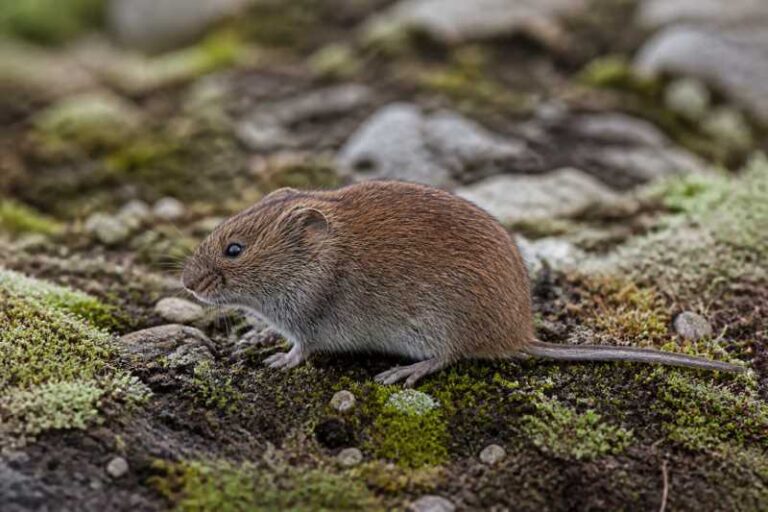
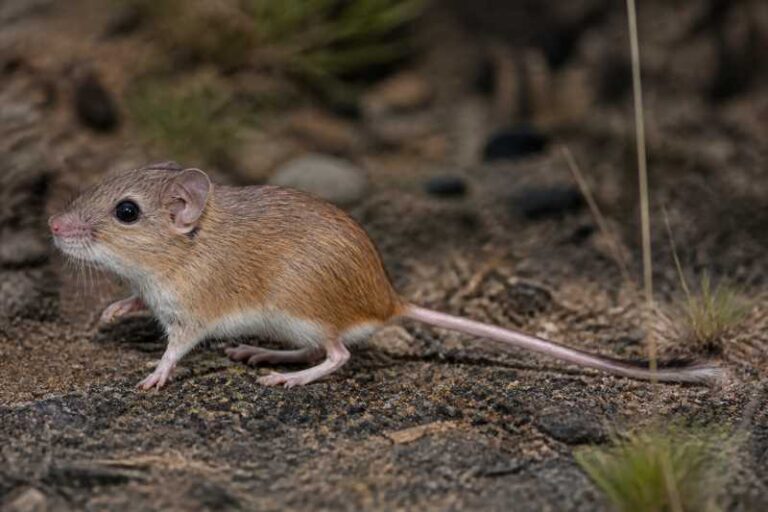
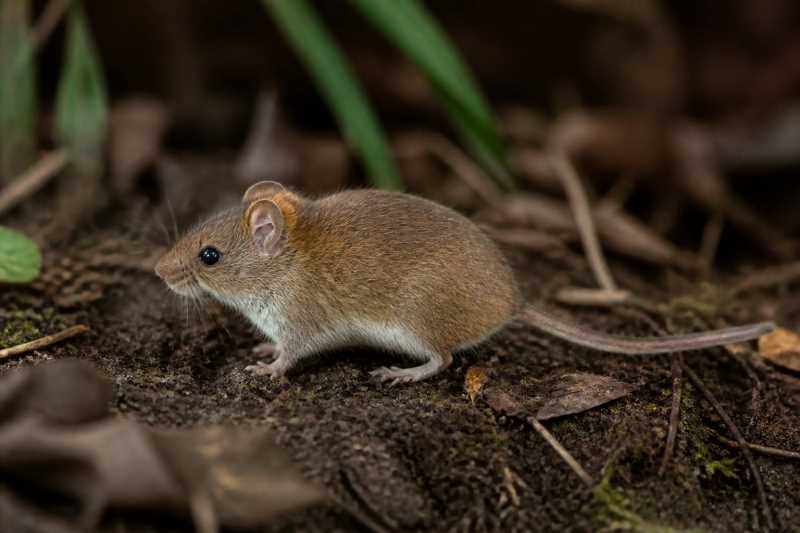
The Fulvous Pygmy Rice Rat is a small rodent, typically measuring between 10 to 13 centimeters in total length, including its tail, which makes up about half of this measurement. It weighs approximately 10 to 20 grams, making it one of the smaller members of the genus Oligoryzomys. The species is characterized by its soft, dense fur, which is predominantly fulvous or tawny in color—a trait that gives the rat its common name. This coloration provides effective camouflage against the forest floor, aiding in its survival.
Physically, the Fulvous Pygmy Rice Rat possesses a slender build with a pointed snout and large, rounded ears that enhance its auditory senses. Its eyes are relatively large, providing it with keen night vision, an essential adaptation for its nocturnal lifestyle. The hind limbs are slightly longer than the forelimbs, allowing for agile movement through its environment. The feet are adapted for gripping and climbing, featuring sharp claws that aid in navigating through dense vegetation.
Range and Habitat
The Fulvous Pygmy Rice Rat is native to a broad range of habitats across Central and South America. Its distribution extends from southern Mexico through Central America and into the northern parts of South America, including countries such as Colombia, Venezuela, Ecuador, Peru, and Brazil. This species is highly adaptable, found in a variety of environments ranging from lowland tropical rainforests to montane cloud forests. It is often associated with areas of dense vegetation, such as secondary growth forests, where it can find ample cover and food sources.
Within its range, the Fulvous Pygmy Rice Rat is often found in proximity to water bodies, such as rivers and streams, which provide additional resources and habitat complexity. It is also known to inhabit agricultural landscapes, including rice paddies, which offer abundant food supply but also expose the rat to human-related threats.
Behavior and Diet
As a nocturnal and primarily solitary animal, the Fulvous Pygmy Rice Rat is most active during the night, foraging for food under the cover of darkness. Its diet is omnivorous, consisting mainly of seeds, fruits, insects, and small invertebrates. This varied diet allows the rat to exploit a wide range of food sources, contributing to its adaptability in different habitats.
The Fulvous Pygmy Rice Rat is known for its agility and climbing ability, often moving through the underbrush and low vegetation to escape predators and search for food. Its behavior is largely influenced by environmental conditions, with activity levels increasing during the wet season when food is more abundant.
Reproduction in Fulvous Pygmy Rice Rats is characterized by multiple breeding cycles throughout the year, with females giving birth to litters of two to five young after a gestation period of approximately three weeks. The young are altricial at birth, requiring significant parental investment before they become independent.
Identification Tips
Identifying the Fulvous Pygmy Rice Rat in the field requires careful observation of several key features:
- Size and Build: Look for a small rodent with a total length of 10 to 13 centimeters, including a proportionately long tail.
- Coloration: Note the fulvous or tawny fur, which is a distinctive trait of this species, providing effective camouflage.
- Ears and Eyes: Large, rounded ears and prominent eyes are indicative of its nocturnal lifestyle.
- Habitat: Observe the surrounding environment; this species is often found in dense vegetation near water bodies.
- Behavior: Look for signs of nocturnal activity, such as tracks or feeding remains, during early morning or late evening.
Conservation Status
The Fulvous Pygmy Rice Rat is currently listed as a species of Least Concern by the International Union for Conservation of Nature (IUCN). This classification reflects its wide distribution and presumed large population. However, the species faces several threats that could impact its conservation status in the future.
Threats:
- Habitat Loss: Deforestation and habitat conversion for agriculture and urban development pose significant threats to the natural habitats of the Fulvous Pygmy Rice Rat.
- Pollution: Agricultural runoff and pollution of water bodies can degrade habitats and reduce food availability.
- Climate Change: Alterations in climate patterns could impact the availability of resources and suitable habitats.
Protections:
- Protected Areas: The presence of the Fulvous Pygmy Rice Rat in several protected areas across its range provides some level of habitat protection.
- Research and Monitoring: Continued research and monitoring are essential to understanding population trends and implementing effective conservation strategies.
Frequently Asked Questions
1. What is the typical lifespan of a Fulvous Pygmy Rice Rat?
In the wild, the Fulvous Pygmy Rice Rat typically lives for about one to two years. This relatively short lifespan is common among small rodent species, which often face high predation pressures.
2. How does the Fulvous Pygmy Rice Rat contribute to its ecosystem?
The Fulvous Pygmy Rice Rat plays an important role in seed dispersal and as a prey species for various predators, thus contributing to the ecological balance in its habitat.
3. Are Fulvous Pygmy Rice Rats social animals?
Fulvous Pygmy Rice Rats are primarily solitary, except during the breeding season. They are known to be territorial and maintain individual home ranges.
4. What adaptations help the Fulvous Pygmy Rice Rat survive in its environment?
Key adaptations include its nocturnal behavior, camouflage coloration, climbing ability, and a varied diet that allows it to exploit different food sources.
5. Can Fulvous Pygmy Rice Rats be found in urban areas?
While primarily found in natural habitats, Fulvous Pygmy Rice Rats may occasionally venture into agricultural or semi-urban areas, especially where these environments intersect with natural ones.
Related posts