Introduction
The Mongolian hamster (Allocricetulus curtatus) is a small mammalian species belonging to the family Cricetidae. Known for its enigmatic presence in the wild, this species inhabits some of the most remote and harsh environments in Central Asia. Often overshadowed by its more famous cousins like the Syrian and Roborovski hamsters, the Mongolian hamster remains a subject of interest for researchers and wildlife enthusiasts. Its unique adaptations to arid climates and fascinating behaviors make it a remarkable example of evolutionary resilience.
Physical Description
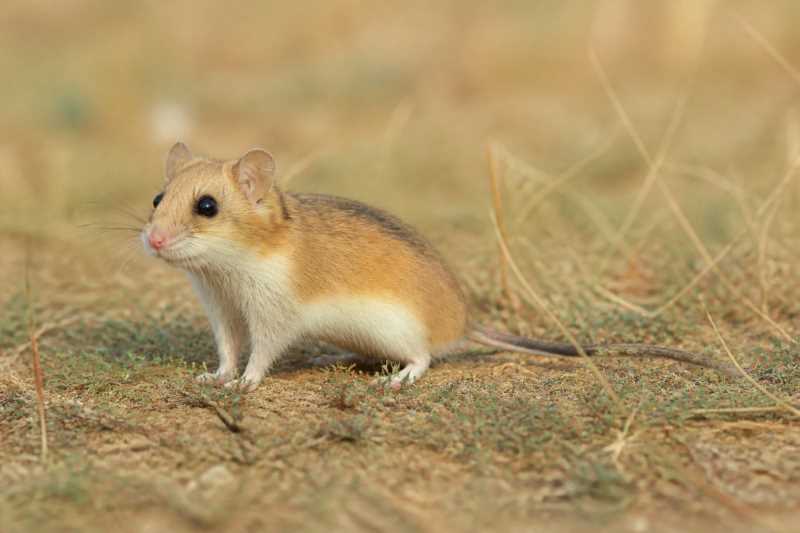
The Mongolian hamster is a diminutive rodent, typically measuring between 9 and 12 centimeters in length, excluding its short tail, which adds an additional 1.5 to 3 centimeters. It weighs approximately 30 to 45 grams, with males generally being slightly larger than females. The fur of this species is soft and dense, providing essential insulation against the cold, arid environments of its native habitat. Its coloration is a sandy brown on the dorsal side, which serves as camouflage against the desert landscape. The ventral side is usually a lighter cream or white color.
One of the distinguishing features of the Mongolian hamster is its cheek pouches, which are used to store food while foraging. These pouches extend from the sides of the mouth to the shoulders. The ears are relatively small and rounded, an adaptation to minimize heat loss. The eyes are black and beady, providing keen night vision, which is crucial for its nocturnal lifestyle.
Range and Habitat
The Mongolian hamster is predominantly found in Central Asia, with its range extending across Mongolia, northern China, and parts of southern Russia. This species inhabits arid and semi-arid regions, including steppes, grasslands, and desert fringes. It is well-adapted to environments with extreme temperature fluctuations, from scorching hot days to freezing nights.
These hamsters prefer sandy or loamy soils, which facilitate the construction of their intricate burrow systems. The burrows provide protection from predators and extreme temperatures, serving as a refuge during the daytime and a safe space for raising young. The complexity of these burrow systems can vary, with some having multiple entrances, nesting chambers, and food storage areas.
Behavior and Diet
Mongolian hamsters are primarily nocturnal, which helps them avoid the extreme temperatures of their habitat during the day. They exhibit solitary behavior, with individuals typically occupying their own burrows. Interaction between individuals is minimized outside the breeding season, helping to reduce competition for resources.
Their diet is omnivorous, consisting of seeds, grains, insects, and occasionally small vertebrates. In the wild, they have been observed foraging for food at night, using their acute sense of smell to locate hidden seeds and insects. The cheek pouches play a vital role in transporting food back to their burrows, where it is stored for future consumption.
During the breeding season, which generally occurs in the spring and early summer, male Mongolian hamsters become more active in search of mates. After a gestation period of approximately 18 to 21 days, females give birth to a litter of 4 to 8 pups. The young are born blind and helpless, relying on their mother for warmth and nourishment.
Identification Tips (Field Recognition Cues)
Identifying the Mongolian hamster in the wild can be challenging due to its elusive nature and the overlap with other small mammal species in their range. However, several key features can aid in its identification:
- Size and Shape: The Mongolian hamster is small and robust, with a compact body and short tail.
- Fur Coloration: Look for the sandy brown dorsal fur and lighter ventral fur, which provides effective camouflage in its natural habitat.
- Cheek Pouches: Noticing the use of cheek pouches for food storage can be a helpful indicator.
- Nocturnal Activity: Observations are more likely at night when these hamsters are active.
- Burrow Entrances: The presence of multiple burrow entrances in sandy or loamy soil may indicate the presence of Mongolian hamsters.
Conservation Status (With Threats and Protections)
The Mongolian hamster is currently classified as a species of Least Concern by the International Union for Conservation of Nature (IUCN). Despite this classification, there are several threats that could impact their populations in the future.
Threats
- Habitat Destruction: Agricultural expansion and urban development are leading to the degradation and loss of natural habitats.
- Climate Change: Alterations in temperature and precipitation patterns may affect the availability of food and suitable burrowing conditions.
- Predation: Natural predators, such as birds of prey and foxes, pose a constant threat.
Protections
Currently, there are no specific conservation programs targeting the Mongolian hamster. However, their presence in protected areas like national parks provides some level of habitat protection. Continued monitoring and research are essential to ensure the long-term survival of this species.
Frequently Asked Questions
How do Mongolian hamsters survive in such harsh environments?
Mongolian hamsters have evolved various adaptations, such as dense fur, nocturnal habits, and burrow systems, to cope with extreme temperatures and limited water availability.
What do Mongolian hamsters eat in the wild?
In the wild, Mongolian hamsters have an omnivorous diet, including seeds, grains, insects, and occasionally small vertebrates. They use their cheek pouches to transport food back to their burrows.
Are Mongolian hamsters social animals?
Mongolian hamsters are solitary creatures, primarily interacting with others during the breeding season. This solitary behavior helps reduce competition for resources in their arid habitats.
What threats do Mongolian hamsters face?
The primary threats to Mongolian hamsters include habitat destruction due to agricultural expansion, climate change, and predation by natural predators.
How can you identify a Mongolian hamster in the wild?
Key identification features include their small size, sandy brown fur, nocturnal activity, and the presence of burrow systems with multiple entrances.
Related posts