Introduction
The Turuchan Pika (Ochotona turuchanensis) is a small mammal belonging to the family Ochotonidae, commonly referred to as pikas. These charming creatures are often likened to tiny rabbits due to their diminutive size and round ears. Native to the remote regions of Siberia, the Turuchan Pika is a lesser-known species that has garnered interest among scientists and wildlife enthusiasts alike. As we explore this fascinating species, we will delve into its physical characteristics, habitat, behavior, and conservation status.
Physical Description
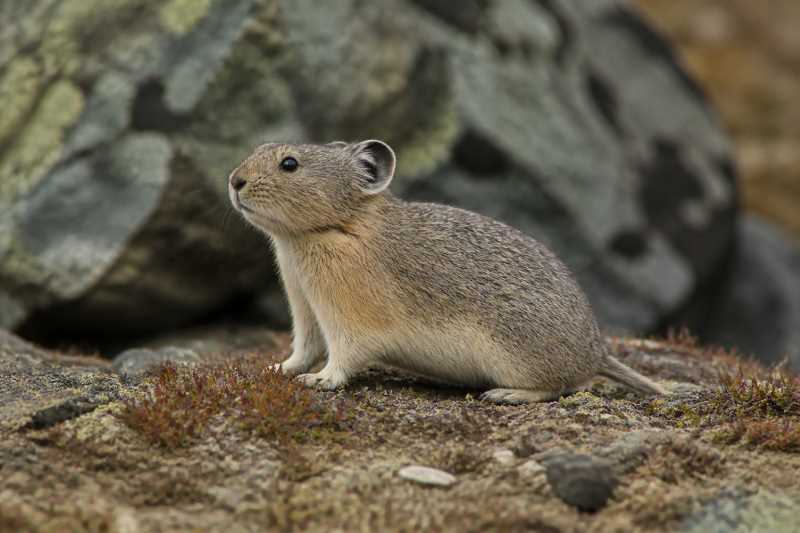
The Turuchan Pika is characterized by its small, rounded body, which typically measures between 15 and 20 centimeters in length. It has short limbs, a compact torso, and no visible tail, which helps it conserve heat in its cold habitat. One of the most distinguishing features of the Turuchan Pika is its large, rounded ears that contrast with the smaller ear size of other pika species. The fur of the Turuchan Pika is a dense coat that provides insulation against the harsh Siberian climate. The coloration of the fur can range from gray to a reddish-brown hue, allowing it to blend seamlessly into its rocky surroundings.
Range and Habitat
The Turuchan Pika is endemic to the remote and rugged terrains of Siberia, particularly in the regions surrounding the Yenisei River. The species is found in alpine and subalpine zones, where it inhabits rocky outcrops and talus fields. These areas provide ample crevices and gaps where the pika can seek shelter from predators and harsh weather conditions. Due to the isolated nature of its habitat, the Turuchan Pika is often shielded from human encroachment, although it faces challenges from environmental changes.
Behavior and Diet
Turuchan Pikas are primarily diurnal, meaning they are most active during the day. They are solitary creatures, although they may be found living in loose colonies where they communicate using a series of sharp whistles and calls. This vocalization is crucial for alerting nearby pikas of approaching predators.
The diet of the Turuchan Pika consists mainly of grasses, herbs, and other vegetation that can be found in its alpine habitat. During the short summer months, they engage in a behavior known as ‘haying,’ where they collect and store food in hidden caches to sustain themselves through the long, harsh winters. These food stores are essential for their survival, as pikas do not hibernate.
Identification Tips
Identifying the Turuchan Pika in the wild can be a rewarding experience for wildlife enthusiasts. Here are some tips to help recognize this elusive mammal:
- Size and Shape: Look for a small, rounded body with no visible tail and short limbs.
- Ear Shape: Note the characteristically large, rounded ears.
- Fur Coloration: Observe the gray to reddish-brown fur, which blends well with rocky surroundings.
- Vocalizations: Listen for their distinctive, high-pitched whistles, especially when alerting others to danger.
- Habitat: Search in alpine and subalpine rocky areas, particularly in Siberian regions.
Conservation Status
The Turuchan Pika is currently classified as "Least Concern" by the International Union for Conservation of Nature (IUCN), but this does not mean it is free from threats. Climate change poses a significant risk to its habitat, as rising temperatures may alter the alpine ecosystems where it thrives. Additionally, increased frequency of extreme weather events can impact the availability of food sources.
Protection efforts for the Turuchan Pika include monitoring populations to detect changes and potential threats. Conservationists stress the importance of preserving the pika’s natural habitat and maintaining the ecological integrity of the regions where they reside.
Frequently Asked Questions
1. What do Turuchan Pikas eat in the wild? Turuchan Pikas primarily feed on grasses and herbs found in their alpine habitats. During summer, they gather and store these plants in hay piles to ensure a consistent food supply through the winter months.
2. How do Turuchan Pikas communicate with each other? Turuchan Pikas communicate using a variety of vocalizations, including high-pitched whistles. These calls are essential for alerting other pikas to the presence of predators or to maintain contact within their loose colonies.
3. Are Turuchan Pikas endangered? Currently, the Turuchan Pika is listed as "Least Concern" according to the IUCN Red List. However, they face potential threats from climate change, which could impact their habitat and food availability.
4. Where can I find Turuchan Pikas in the wild? Turuchan Pikas inhabit the alpine and subalpine regions of Siberia, particularly near the Yenisei River. They are often found in rocky outcrops and talus fields where they can find shelter and food.
5. Do Turuchan Pikas hibernate during the winter? No, Turuchan Pikas do not hibernate. Instead, they rely on stored food collected during the summer months to survive the harsh winters.
Related posts