Introduction
Milne-Edwards’s Sportive Lemur (Lepilemur edwardsi) is a fascinating primate species endemic to Madagascar. Named after the renowned French zoologist Alphonse Milne-Edwards, these lemurs are part of the sportive lemur family, known for their elusive and nocturnal nature. This species plays a crucial role in Madagascar’s unique ecosystem, contributing to the biodiversity that makes the island a global conservation priority.
As a member of the primate order, Milne-Edwards’s Sportive Lemur is a subject of interest for researchers and wildlife enthusiasts alike. Despite their relatively small size, these lemurs exhibit complex behaviors and adaptations that allow them to thrive in Madagascar’s diverse habitats. This article delves into the physical characteristics, habitat, behavior, and conservation status of Lepilemur edwardsi, providing a comprehensive overview of this remarkable species.
Physical Description
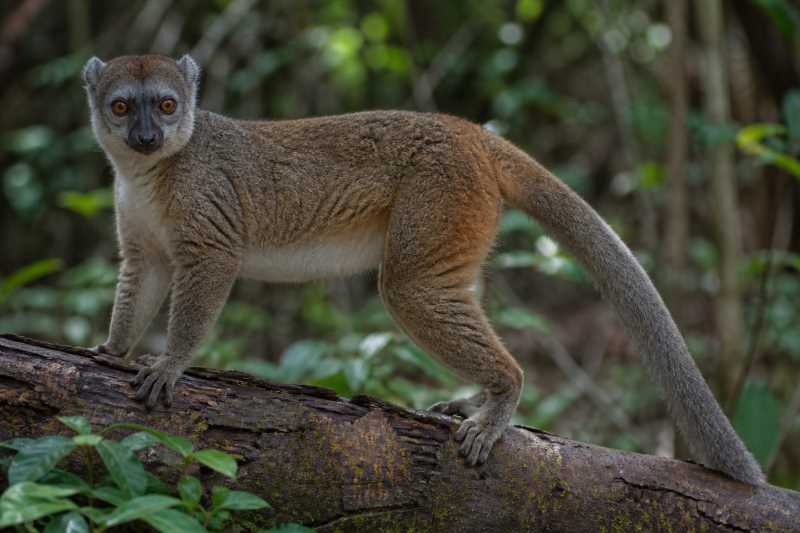
Milne-Edwards’s Sportive Lemur is a medium-sized primate with distinct physical features that aid in its survival. Adults typically weigh between 800 and 1,100 grams and measure about 24 to 30 centimeters in body length, with an additional tail length of 25 to 32 centimeters. Their dense, woolly fur provides insulation against the cooler temperatures of Madagascar’s forests.
The fur coloration of Lepilemur edwardsi is predominantly gray-brown on the dorsal side, with lighter, cream-colored fur on the ventral side. This coloration serves as camouflage, blending seamlessly with the tree bark and foliage. The lemur’s large, round eyes are adapted for nocturnal vision, allowing them to navigate and forage effectively in low-light conditions. Their ears are relatively small but capable of detecting subtle sounds in their environment.
One of the unique physical characteristics of sportive lemurs is their powerful hind limbs. These limbs are particularly adapted for leaping, a primary mode of locomotion for the species. Their hands and feet are equipped with strong, grasping abilities, enabling them to cling to tree trunks and branches securely.
Range and Habitat
Milne-Edwards’s Sportive Lemur is endemic to Madagascar, with its range primarily spanning the western and northwestern regions of the island. The species inhabits a variety of forest types, including dry deciduous forests, humid lowland forests, and transitional forest zones. These forests provide the necessary resources for their survival, such as food, shelter, and suitable microhabitats.
The lemur’s habitat selection is closely linked to the availability of trees, which are essential for their arboreal lifestyle. They are often found in regions with dense canopy cover, which offers protection from predators and harsh weather conditions. The fragmentation and degradation of these habitats pose significant challenges to their survival, making habitat preservation a critical aspect of their conservation.
Behavior and Diet
Milne-Edwards’s Sportive Lemur is primarily nocturnal, with activity patterns centered around nighttime foraging and social interactions. During the day, they rest in tree hollows or dense foliage, which provides concealment from predators. Their solitary nature is typical of sportive lemurs, although occasional social interactions occur, particularly during the breeding season.
The diet of Lepilemur edwardsi is predominantly folivorous, consisting mainly of leaves, flowers, and fruits. Their digestive system is adapted to process fibrous plant material, with a specialized cecum that aids in breaking down cellulose. This dietary specialization allows them to exploit food resources that are less accessible to other herbivores.
In addition to their folivorous diet, these lemurs occasionally consume soil and bark, which may provide essential minerals or aid in digestion. Their feeding behavior is influenced by seasonal variations in food availability, necessitating adaptations to cope with fluctuating resources.
Identification Tips (Field Recognition Cues)
Identifying Milne-Edwards’s Sportive Lemur in the wild requires keen observation and knowledge of their distinctive features. Here are some tips for recognizing this species in its natural habitat:
- Size and Shape: Look for a medium-sized lemur with a robust body and powerful hind limbs, indicative of their leaping abilities.
- Fur Coloration: Note the gray-brown dorsal fur and lighter ventral fur, which helps them blend into the forest environment.
- Eye Size and Shape: Their large, round eyes are adapted for nocturnal vision, a key identifying feature.
- Activity Patterns: Observe their nocturnal activity; they are most active during the night, foraging and moving through the canopy.
- Vocalizations: Listen for their distinctive calls, which are used for communication and territorial defense.
Conservation Status (with Threats and Protections)
Milne-Edwards’s Sportive Lemur is currently classified as Vulnerable on the IUCN Red List of Threatened Species. The primary threats to their survival include habitat loss, fragmentation, and hunting. Madagascar’s forests are under immense pressure from human activities, such as agriculture, logging, and charcoal production, leading to significant habitat degradation.
Conservation efforts are underway to protect the remaining populations of Lepilemur edwardsi. These efforts include habitat restoration, legal protection of forest areas, and community-based conservation initiatives. Additionally, research and monitoring programs are essential for understanding population trends and threats, informing effective conservation strategies.
Engaging local communities in conservation activities is crucial, as it fosters awareness and sustainable practices that benefit both the lemurs and the people who share their habitats. International collaborations and funding support are also vital components of the conservation framework.
Frequently Asked Questions
1. What is the primary diet of Milne-Edwards’s Sportive Lemur?
Milne-Edwards’s Sportive Lemur primarily feeds on leaves, flowers, and fruits. Their folivorous diet is supported by a specialized digestive system capable of processing fibrous plant material. Occasionally, they may also consume soil and bark, which can provide essential minerals or aid digestion.
2. Why is Milne-Edwards’s Sportive Lemur considered vulnerable?
This species is considered vulnerable due to habitat loss, fragmentation, and hunting. Deforestation for agriculture, logging, and charcoal production significantly threatens their forest habitats in Madagascar. Conservation efforts focus on habitat protection, restoration, and engaging local communities in sustainable practices.
3. How can one identify Milne-Edwards’s Sportive Lemur in the wild?
To identify this lemur in the wild, look for a medium-sized primate with gray-brown dorsal fur and lighter ventral fur, large round eyes adapted for nocturnal vision, and powerful hind limbs. Observing their nocturnal activity patterns and listening for distinctive vocalizations can also aid in identification.
4. Where is Milne-Edwards’s Sportive Lemur found?
This species is endemic to Madagascar, primarily inhabiting the western and northwestern regions of the island. They are found in various forest types, including dry deciduous forests and humid lowland forests, where they rely on dense canopy cover for protection and food resources.
5. What conservation measures are in place for Milne-Edwards’s Sportive Lemur?
Conservation measures include habitat restoration, legal protection of forest areas, and community-based conservation initiatives. Research and monitoring programs are also essential for understanding population trends and threats, guiding effective conservation strategies for the species.
Related posts