Introduction
The Western Tarsier (Cephalopachus bancanus) is a small primate native to Southeast Asia, known for its distinctive appearance and nocturnal habits. Belonging to the family Tarsiidae, this species is one of the smallest primates in the world. Its unique adaptations and distinct behaviors make the Western Tarsier a fascinating subject for primatologists and wildlife enthusiasts alike.
Physical Description
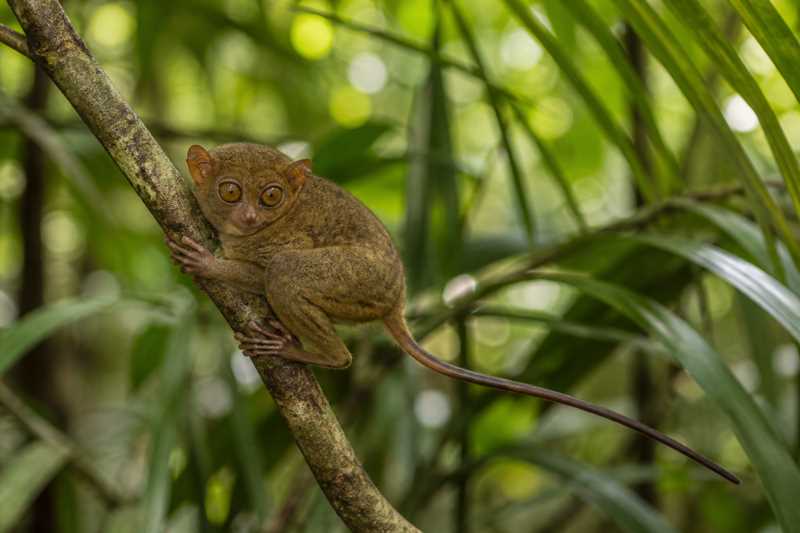
The Western Tarsier is characterized by its diminutive size, typically weighing between 80 to 160 grams and measuring about 11 to 15 centimeters in body length, with a tail that can be twice the length of its body. One of the most striking features of the Western Tarsier is its large eyes, which are among the largest relative to body size of any mammal. Their eyes are specially adapted for night vision, allowing them to hunt and navigate efficiently in the dark.
Their elongated fingers and toes are equipped with adhesive pads, aiding in their arboreal lifestyle. The fur of the Western Tarsier is soft and dense, ranging in color from grayish brown to buff, providing camouflage within their natural habitat.
Range and Habitat
The Western Tarsier is found primarily in the lowland forests of Borneo, Sumatra, and nearby islands in Southeast Asia. They inhabit a range of forest types, including primary and secondary forests, as well as mangroves and peat swamp forests. Their preference for dense, tropical forests is largely due to their reliance on vertical space for movement and their need for abundant insect prey.
These primates are arboreal, spending most of their lives in trees. They prefer to dwell in areas with dense underbrush or thick canopy cover, which provide protection from predators and an abundant supply of food.
Behavior and Diet
Western Tarsiers are primarily nocturnal and exhibit solitary behavior, although they can occasionally be seen in small family groups. Their nocturnal habits are supported by their exceptional night vision, which is vital for hunting. Tarsiers are known for their ability to leap impressive distances between trees, using their powerful hind limbs.
Their diet is exclusively carnivorous, consisting mainly of insects such as grasshoppers, beetles, and moths. They are also known to prey on small vertebrates, including lizards and birds. The Western Tarsier employs a sit-and-wait hunting strategy, remaining motionless until prey comes within striking distance.
Identification Tips (Field Recognition Cues)
Identifying the Western Tarsier in the wild can be challenging due to their elusive nature and nocturnal habits. However, there are several key features to look for:
- Large Eyes: Their prominent eyes are unmistakable, especially when illuminated at night.
- Long Tail: The tail is long and used for balance, often visible even when the tarsier is perched.
- Distinctive Calls: Listen for their high-pitched calls, which are often heard at dusk and dawn.
- Movement Pattern: Look for their characteristic leaping movement between branches.
Conservation Status (with Threats and Protections)
The Western Tarsier is currently classified as "Near Threatened" by the International Union for Conservation of Nature (IUCN). The primary threats to their survival include habitat loss due to deforestation, agricultural expansion, and human settlement. Additionally, illegal pet trade poses a significant threat to their populations.
Conservation efforts are focused on habitat preservation and the establishment of protected areas. Several wildlife sanctuaries and national parks in Borneo and Sumatra serve as vital refuges for the Western Tarsier. Raising awareness about the ecological importance of tarsiers and enforcing stricter regulations on illegal wildlife trade are crucial steps toward their conservation.
Frequently Asked Questions
What do Western Tarsiers eat?
Western Tarsiers have a strictly carnivorous diet, feeding on insects such as grasshoppers, beetles, and moths, as well as small vertebrates like lizards and birds.
Where can Western Tarsiers be found?
Western Tarsiers are native to the lowland forests of Borneo, Sumatra, and nearby islands in Southeast Asia, preferring dense tropical forests with ample tree cover.
How do Western Tarsiers communicate?
Western Tarsiers communicate using a variety of vocalizations, including high-pitched calls that are often heard at dusk and dawn. These calls serve to establish territory and communicate with other tarsiers.
Are Western Tarsiers endangered?
The Western Tarsier is classified as "Near Threatened" due to habitat loss and illegal pet trade. Conservation efforts are ongoing to protect their natural habitats.
What adaptations help Western Tarsiers survive in their environment?
Western Tarsiers have large eyes for night vision, elongated fingers for gripping branches, and powerful hind limbs for leaping, all of which aid in their arboreal and nocturnal lifestyle.
Related posts