The Vermiculated Fishing Owl: An Enigmatic Avian Hunter of Africa’s Waterways
The Vermiculated Fishing Owl (Scotopelia bouvieri) is a captivating avian species that inhabits the lush and diverse riverine ecosystems of Central and West Africa. Known for its unique adaptations and elusive nature, this owl has intrigued ornithologists and bird enthusiasts alike. With its distinct plumage and specialized hunting techniques, the Vermiculated Fishing Owl stands out as a remarkable example of avian adaptation to aquatic environments.
A Distinctive Appearance
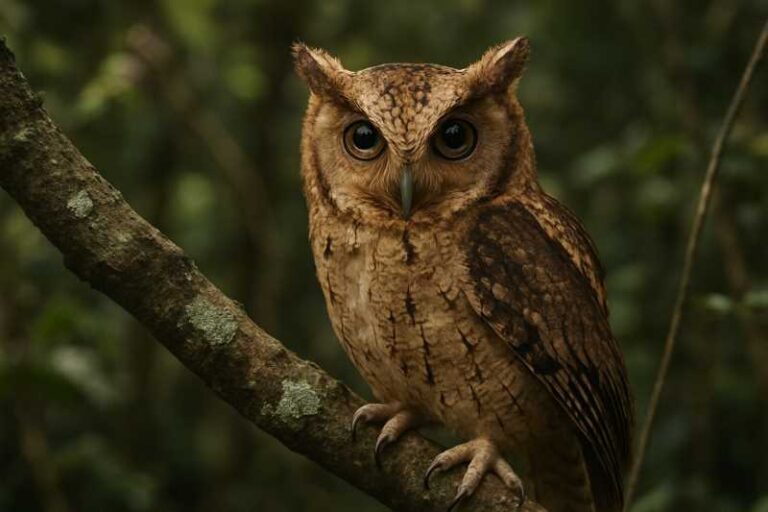
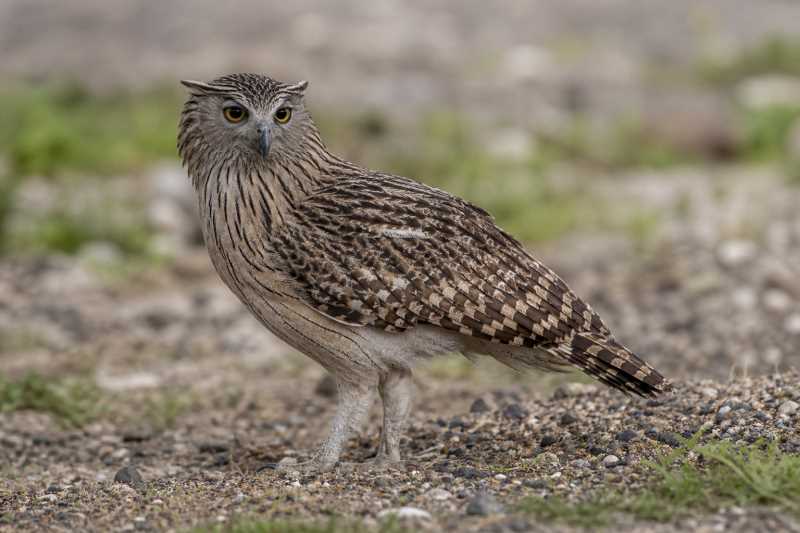
The Vermiculated Fishing Owl is aptly named due to its vermiculated or “worm-like” pattern on its feathers. This intricate plumage provides excellent camouflage amidst the dappled light of riverine forests. Measuring between 46 to 51 centimeters in length, it is a medium-sized owl with a wingspan ranging from 100 to 115 centimeters. The owl’s earthy brown and white coloration enables it to blend seamlessly into its surroundings, a crucial adaptation for both hunting and evading predators.
One of the most striking features of this owl is its absence of ear tufts, a characteristic that differentiates it from many other owl species. Its rounded head and large, forward-facing eyes are perfectly adapted for nighttime hunting, offering exceptional night vision. Additionally, the owl’s powerful talons and robust beak are well-suited for capturing and consuming its primary prey—fish.
Habitat and Distribution
Scotopelia bouvieri is predominantly found in the lowland rainforests and swampy areas of Central and West Africa, with a range extending through countries such as Nigeria, Cameroon, Gabon, and the Republic of Congo. The species is closely associated with slow-moving rivers, lakes, and wetlands, where it can be seen perched silently on branches overhanging the water.
The owl’s habitat preference for dense, riverine forests makes it challenging to study, contributing to its status as one of the lesser-known owl species. Despite its elusive nature, the Vermiculated Fishing Owl plays a vital role in its ecosystem, controlling fish populations and serving as an indicator of environmental health.
Adaptations and Diet
Adapted to a piscivorous diet, the Vermiculated Fishing Owl has developed several unique hunting strategies. Unlike most owls, which rely on their acute hearing to locate prey, this species primarily uses its keen eyesight to spot fish swimming near the water’s surface. It often hunts from a perch, swooping down with precision to snatch fish with its sharp talons.
In addition to fish, this owl’s diet may include amphibians, crustaceans, and occasionally small mammals. Its hunting prowess is further enhanced by its ability to fly silently, a trait shared by many owls, allowing it to approach prey undetected.
Conservation Status and Threats
The Vermiculated Fishing Owl is currently listed as Near Threatened by the International Union for Conservation of Nature (IUCN). The primary threats to its survival are habitat destruction and degradation, largely due to logging, agriculture, and human settlement expansion in its native regions. Additionally, pollution and overfishing can impact the availability of its prey, posing further risks to its population.
Conservation efforts are crucial to ensuring the survival of this unique species. Protecting and preserving riverine habitats, establishing conservation areas, and conducting further research are essential steps in understanding and mitigating the threats faced by the Vermiculated Fishing Owl.
The Importance of Further Research
Despite its intriguing adaptations and ecological role, much about the Vermiculated Fishing Owl remains a mystery. Continued study is needed to better understand its behavior, breeding patterns, and population dynamics. Such research is vital not only for the conservation of Scotopelia bouvieri but also for the protection of the biodiverse ecosystems it inhabits.
Collaborative efforts between local communities, conservation organizations, and governments can foster a deeper appreciation for this enigmatic species. By promoting awareness and education, we can work towards safeguarding the future of the Vermiculated Fishing Owl and the rich habitats it calls home.
In conclusion, the Vermiculated Fishing Owl is a testament to the incredible adaptability and diversity of life in Africa’s aquatic environments. Its survival hinges on our ability to protect its natural habitat and mitigate the threats it faces. As we continue to uncover the secrets of this remarkable bird, we are reminded of the intricate connections between species and ecosystems and the importance of preserving them for future generations.
Related posts