Introduction
Rice’s Whale, scientifically known as Balaenoptera ricei, is a recently recognized species of baleen whale that resides in the waters of the Gulf of Mexico. It was officially identified as a distinct species in 2021, drawing significant attention from the scientific community and conservationists alike. Given its limited range and the threats it faces, Rice’s Whale has become a focal point in marine conservation efforts. This article delves into the various aspects of Rice’s Whale, including its physical characteristics, habitat, behavior, and conservation status.
Physical Description
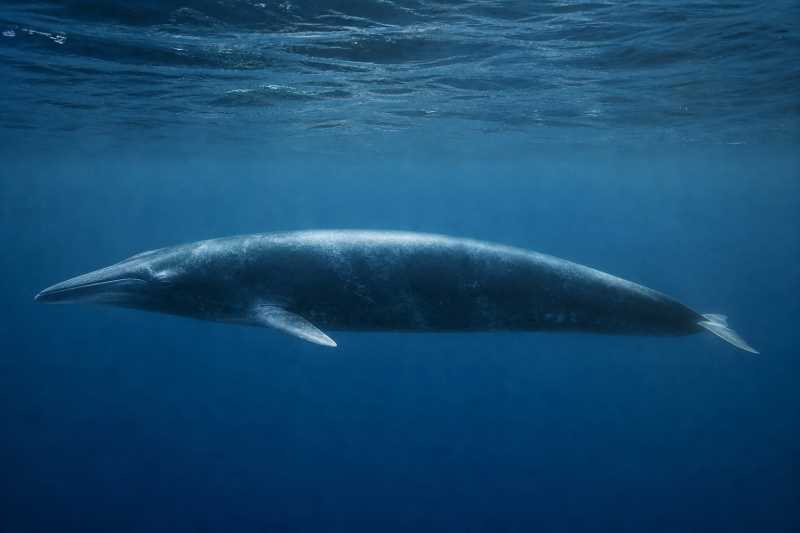
Rice’s Whale exhibits the typical streamlined body shape characteristic of baleen whales, enabling efficient movement through water. Adult Rice’s Whales can reach lengths of up to 42 feet (approximately 13 meters) and weigh as much as 60,000 pounds (around 27,215 kilograms). They possess a sleek, dark gray to black body with a lighter underbelly, which aids in camouflage when seen from above or below.
A distinctive feature of Rice’s Whale is the presence of a series of ridges along their heads, known as "rorqual grooves," which stretch from the mouth to the navel. These grooves allow the mouth to expand when feeding, facilitating the intake of large volumes of water and prey. Rice’s Whale also has a small, falcate dorsal fin located two-thirds down its back, which is often visible when the whale surfaces.
Range and Habitat
Rice’s Whale is endemic to the Gulf of Mexico, with its range primarily concentrated in the northeastern part of the basin. This area provides a suitable habitat rich in prey and relatively warm waters, essential for their survival. Unlike some other baleen whales, Rice’s Whale does not undertake long migratory journeys, instead residing year-round within this region.
The Gulf of Mexico’s unique oceanographic features, such as warm surface currents and nutrient-rich waters, create an ideal environment for Rice’s Whale. However, this limited habitat range makes them particularly vulnerable to regional threats, such as oil spills, shipping traffic, and other human activities.
Behavior and Diet
Rice’s Whale displays feeding behaviors typical of baleen whales, using a technique known as "lunge feeding." This involves the whale accelerating towards a school of prey with an open mouth, engulfing large volumes of water and prey. The baleen plates then filter the water out, trapping fish and other small organisms inside the mouth.
Their diet primarily consists of small schooling fish and plankton, which are abundant in the Gulf of Mexico. Observations suggest that Rice’s Whale may also engage in social behaviors, though detailed studies are required to understand their social structure and communication methods fully.
Identification Tips (Field Recognition Cues)
Identifying Rice’s Whale in the field requires careful observation of several key traits:
- Size and Shape: Look for a medium-sized baleen whale with a streamlined body and a small dorsal fin positioned towards the rear.
- Coloration: Note the dark gray to black coloration with a lighter underbelly.
- Dorsal Fin: Observe the shape and position of the dorsal fin, which is relatively small and located two-thirds down the back.
- Blow: Rice’s Whale has a tall and narrow blow, which can be a useful identification cue when the whale surfaces.
- Behavior: Watch for lunge feeding behavior, characterized by sudden accelerations and the expansion of ventral grooves.
Conservation Status (With Threats and Protections)
Rice’s Whale is currently listed as endangered, primarily due to its restricted range and the various threats it faces. The species is vulnerable to several anthropogenic threats, including:
- Oil Spills: The Gulf of Mexico has experienced significant oil spills, which can have catastrophic effects on marine life, including Rice’s Whale.
- Shipping Traffic: Collisions with vessels pose a serious risk, as the whales often inhabit areas with high shipping activity.
- Noise Pollution: Increased underwater noise from human activities can disrupt communication and navigation for Rice’s Whale.
Conservation efforts are underway to mitigate these threats. These include regulations on shipping routes and speeds, monitoring and response strategies for oil spills, and initiatives to reduce noise pollution. Protecting the habitat of Rice’s Whale is crucial for its survival, requiring collaborative efforts from governments, NGOs, and the scientific community.
Frequently Asked Questions
Why is this species unique?
Rice’s Whale is unique due to its restricted range and recent classification as a distinct species. This highlights the importance of regional conservation efforts and the need for further research to understand its ecology fully.
How was Rice’s Whale discovered?
Rice’s Whale was distinguished as a separate species through genetic analysis and morphological studies, which revealed distinct differences from other closely related baleen whales.
What are the current conservation measures?
Conservation measures include monitoring shipping activities, implementing no-go zones to protect critical habitats, and developing response strategies for potential oil spills in the Gulf of Mexico.
What challenges do researchers face?
Researchers face challenges such as limited funding, the need for ongoing monitoring, and the complexity of studying a species with a small population in a vast ocean environment.
How can the public contribute to conservation efforts?
The public can contribute by supporting marine conservation organizations, advocating for policies that protect marine environments, and raising awareness about the importance of preserving Rice’s Whale and its habitat.
Related posts