Introduction
The Hoary Fox, scientifically known as Lycalopex vetula, is a small canid species endemic to Brazil. This elusive fox is often overshadowed by its more famous relatives in the canid family, yet it plays a crucial role in its ecosystem. With its unique adaptations and behaviors, the Hoary Fox is a fascinating subject for wildlife enthusiasts and researchers alike. This article delves into the various aspects of the Hoary Fox, from its physical characteristics to its conservation status, offering a comprehensive view of this intriguing mammal.
Physical Description
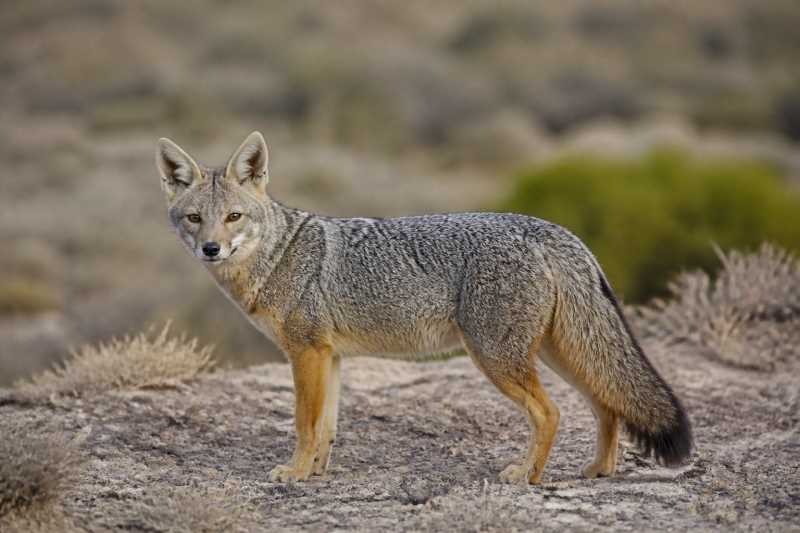
The Hoary Fox is a small-sized fox, with adults typically weighing between 2.5 to 4 kilograms (5.5 to 8.8 pounds). It boasts a slender body and long legs, which are adapted for swift movement across its native terrains. The fur of the Hoary Fox is primarily gray, with a distinctive hoary (or frosty) appearance, from which its name derives. The underparts are lighter, often taking on a creamy or whitish tone.
One of the most striking features of the Hoary Fox is its bushy tail, which is characterized by a black tip. The facial markings are subtle yet distinct, with a narrow muzzle and keen, alert eyes that offer excellent night vision, aiding its nocturnal lifestyle. The ears are relatively large, helping with thermoregulation and acute hearing, essential for detecting prey in the dense habitat.
Range and Habitat
The Hoary Fox is found predominantly in the open and semi-open landscapes of central Brazil. Its range extends across the Cerrado biome, a vast tropical savanna region known for its rich biodiversity. Within this habitat, the Hoary Fox prefers areas with a combination of open grasslands and scattered shrubs, which provide both hunting grounds and cover from predators.
Adapted to a variety of environments within its range, the Hoary Fox can also be found in agricultural areas, where it benefits from the availability of small prey items and less competition from other predators. However, its habitat is increasingly under threat from land conversion and agricultural expansion, posing significant challenges to its survival.
Behavior and Diet
The Hoary Fox is primarily nocturnal, spending the daylight hours resting in dens or shaded areas. Its nocturnal habits are an adaptation to avoid the high temperatures of the Brazilian savanna and to exploit the active period of many of its prey species.
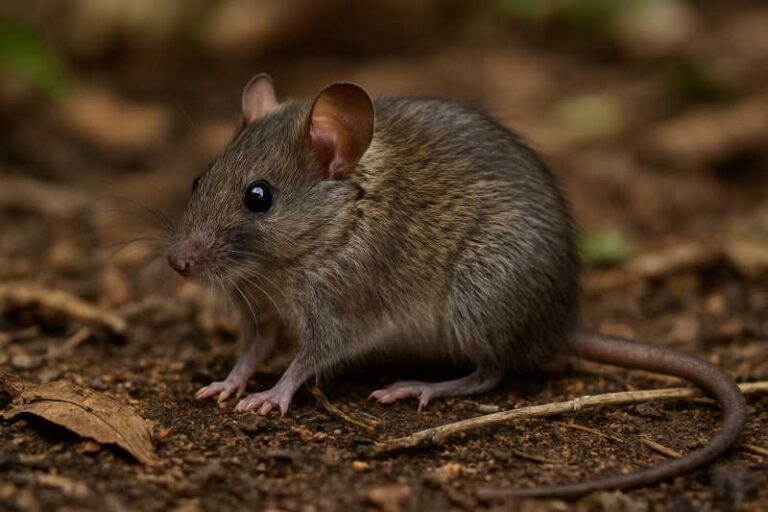
Its diet is omnivorous, with a preference for small mammals, insects, and fruits. Rodents and small birds form the bulk of its animal prey, while insects like beetles and grasshoppers are also consumed, especially during the dry season when other food sources are scarce. The consumption of fruits not only provides essential vitamins and nutrients but also aids in seed dispersal, highlighting the fox’s role in its ecosystem.
Socially, the Hoary Fox is relatively solitary, although it may form monogamous pairs during the breeding season. Communication between individuals is facilitated through vocalizations and scent markings, which help establish territory boundaries and social hierarchies.
Identification Tips (Field Recognition Cues)
Recognizing the Hoary Fox in the wild requires keen observation and knowledge of its distinguishing features:
- Size and Shape: Look for a small, slender canid with a proportionally long tail.
- Fur Color: Note the gray, hoary-colored fur with lighter underparts.
- Tail: Identify the bushy tail with a characteristic black tip.
- Behavior: Observe nocturnal activity patterns, as the Hoary Fox is most active at night.
- Vocalizations: Listen for high-pitched barks and whines, typical of communication during the breeding season.
Conservation Status (With Threats and Protections)
The International Union for Conservation of Nature (IUCN) currently lists the Hoary Fox as Least Concern, reflecting its relatively stable population. However, this status does not mean the species is free from threats. Habitat destruction due to agricultural expansion and deforestation poses significant risks to its natural habitat. Additionally, hunting and road mortality are other human-induced threats that impact Hoary Fox populations.
Conservation efforts for the Hoary Fox include habitat preservation and the implementation of wildlife corridors to ensure genetic flow between isolated populations. Awareness campaigns and legal protections against hunting are also vital to mitigate threats. Continued research and monitoring are essential to adjust conservation strategies as environmental conditions and human impacts evolve.
Frequently Asked Questions
1. What is the diet of the Hoary Fox?
The Hoary Fox is an omnivore with a diet that includes small mammals, insects, and fruits. It primarily feeds on rodents, small birds, beetles, and grasshoppers, adapting its diet to seasonal availability.
2. Where can the Hoary Fox be found?
The Hoary Fox is native to central Brazil, primarily inhabiting the Cerrado biome, which consists of open grasslands and savanna landscapes. It is also found in agricultural areas within its range.
3. How does the Hoary Fox communicate?
Communication among Hoary Foxes involves vocalizations, such as barks and whines, as well as scent marking to establish territory and social hierarchies.
4. What are the main threats to the Hoary Fox?
The primary threats to the Hoary Fox include habitat destruction due to agricultural expansion, deforestation, hunting, and road mortality. Conservation efforts focus on habitat preservation and legal protections.
5. Is the Hoary Fox endangered?
Currently, the Hoary Fox is listed as Least Concern by the IUCN. However, ongoing threats necessitate continued conservation efforts to ensure its long-term survival.
Related posts