Introduction
The Black-eared Flying Fox, scientifically known as Pteropus melanotus, is a captivating species within the bat family, specifically classified under the Pteropodidae family. Known for their impressive wingspan and nocturnal habits, these flying foxes play a crucial role in their ecosystems as pollinators and seed dispersers. Despite their ecological importance, they face various threats that have prompted conservation efforts. This article delves into the physical characteristics, habitat, behavior, and conservation status of the Black-eared Flying Fox, providing a comprehensive overview for enthusiasts and researchers alike.
Physical Description
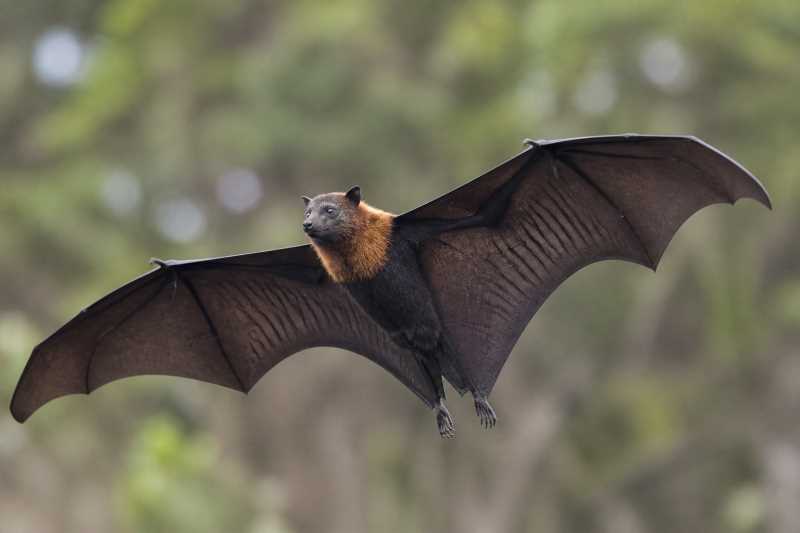
The Black-eared Flying Fox is distinguished by its large size and striking features. Adult individuals typically have a wingspan ranging from 1.2 to 1.5 meters (approximately 4 to 5 feet), making them one of the larger bat species. Their body length measures about 24 to 27 centimeters (9.5 to 10.6 inches), with males generally being slightly larger than females.
Their fur is predominantly dark, with a glossy black appearance on the ears, face, and wings, which gives them their common name. The body fur can vary from dark brown to black, with a lighter, sometimes reddish-brown mantle around the neck and shoulders. These bats have a fox-like face with large, bright eyes adapted for their nocturnal lifestyle, aiding in navigation and foraging in low-light conditions.
Range and Habitat
Pteropus melanotus is native to several islands in the Indian Ocean, including the Andaman and Nicobar Islands, the Maldives, and some parts of Indonesia. These bats favor tropical and subtropical environments, often inhabiting coastal forests, mangroves, and even urban areas where fruit trees are abundant.
Their habitat preferences are closely linked to the availability of food sources. As frugivores, they depend on fruiting trees, which are more prevalent in these lush, moist environments. The Black-eared Flying Fox typically roosts in large colonies in tall trees, often near water bodies, which provide them with both food resources and a suitable microclimate.
Behavior and Diet
The Black-eared Flying Fox is primarily nocturnal, engaging in most of its activities during the night. They emerge from their roosts at dusk to forage for food, traveling considerable distances in search of fruit-bearing trees. Their diet mainly consists of fruits such as figs, mangoes, and bananas, but they are also known to consume nectar and flowers, contributing to the pollination of various plant species.
These bats exhibit social behavior, often roosting in large colonies that can number in the thousands. This social structure provides several benefits, including protection from predators and a collaborative approach to locating food resources. Communication within the colonies is facilitated through a series of vocalizations and scent markings, which help maintain social bonds and coordinate activities.
Identification Tips (field recognition cues)
Identifying the Black-eared Flying Fox in the field can be straightforward due to their unique characteristics:
- Large Size and Wingspan: One of the most noticeable features is their expansive wingspan, which can reach up to 1.5 meters.
- Distinctive Coloring: Look for the glossy black ears and face, contrasted with the lighter fur around the neck and shoulders.
- Nocturnal Activity: They are most active during the night, so sightings are more common at dusk or dawn.
- Social Roosting: These bats are often seen roosting in large colonies, usually in tall trees near water sources.
- Vocalizations: Listen for their characteristic calls, which are used for communication within their colonies.
Conservation Status (with threats and protections)
The conservation status of the Black-eared Flying Fox varies across its range, largely due to differing levels of threat and conservation measures in place. The IUCN Red List currently classifies Pteropus melanotus as Near Threatened. The primary threats to their survival include habitat destruction, hunting, and climate change.
Threats
- Habitat Destruction: Deforestation and land conversion for agriculture and urban development have led to significant habitat loss.
- Hunting and Persecution: In some regions, these bats are hunted for their meat or killed due to perceived threats to fruit crops.
- Climate Change: Changes in climate patterns can affect the availability of food resources and suitable roosting sites.
Protections
Conservation efforts focus on habitat preservation, legal protection, and public education. Many regions have enacted laws to protect bat habitats and regulate hunting. Additionally, conservation organizations work to raise awareness about the ecological importance of flying foxes and promote coexistence strategies with local communities.
Frequently Asked Questions
What is the diet of the Black-eared Flying Fox?
The Black-eared Flying Fox primarily feeds on a variety of fruits, including figs, mangoes, and bananas. They also consume nectar and flowers, playing a vital role in pollination and seed dispersal in their ecosystems.
How does the Black-eared Flying Fox contribute to its ecosystem?
As frugivores, Black-eared Flying Foxes are essential for seed dispersal and pollination. By spreading seeds and pollinating flowers, they help maintain the biodiversity and health of their habitats.
Are Black-eared Flying Foxes endangered?
The Black-eared Flying Fox is currently classified as Near Threatened by the IUCN. They face threats such as habitat destruction, hunting, and climate change, but conservation efforts are in place to mitigate these risks.
Where can Black-eared Flying Foxes be found?
These bats are native to the Indian Ocean islands, including the Andaman and Nicobar Islands, the Maldives, and parts of Indonesia. They prefer tropical and subtropical coastal forests and mangroves.
How do Black-eared Flying Foxes communicate?
Black-eared Flying Foxes use a combination of vocalizations and scent markings to communicate. These methods help maintain social bonds and coordinate group activities within their colonies.
Related posts