Introduction
The Cave Myotis, scientifically known as Myotis velifer, is a fascinating species of bat that captivates researchers and enthusiasts alike. These small mammals play a crucial role in their ecosystems, primarily as insect controllers, and are integral to maintaining ecological balance. Found predominantly in the southwestern United States and parts of Central America, the Cave Myotis is an intriguing subject for study due to its unique adaptations and behaviors. In this article, we delve into the various aspects of the Cave Myotis, from its physical description to its conservation status, to provide a comprehensive overview of this remarkable species.
Physical Description
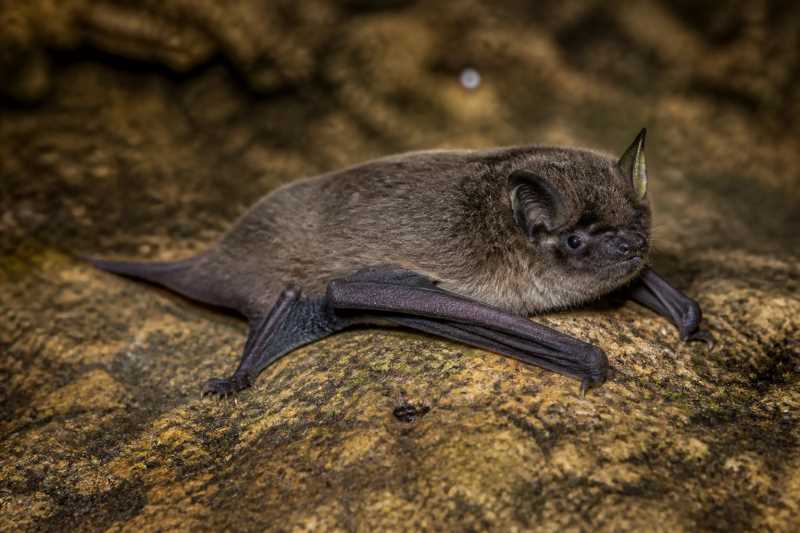
The Cave Myotis is a small to medium-sized bat characterized by its robust body and relatively large ears. Its fur is typically a light brown to grayish color, which provides excellent camouflage in its natural habitat. The underparts are usually lighter, giving the bat a two-toned appearance. One of the distinguishing features of the Cave Myotis is its hairless, velvety face, which contrasts with its furry body.
Adult Cave Myotis typically weigh between 7 to 12 grams, with a wingspan ranging from 28 to 34 centimeters. Their forearm length measures about 37 to 44 millimeters. The wings are long and narrow, adapted for efficient flight and maneuverability in their cave environments. The ears are large relative to their body size and possess a well-defined tragus, aiding in echolocation.
Range and Habitat
The geographical range of the Cave Myotis extends from the southwestern United States, including states like Texas, Arizona, and New Mexico, down through Mexico, and into parts of Central America. This wide range indicates their adaptability to different environmental conditions.
Cave Myotis primarily inhabit caves, as their name suggests, but they can also be found roosting in old mines, abandoned buildings, and under bridges. They prefer habitats that offer dark, secluded roosting sites that are safe from predators and harsh weather conditions. These bats thrive in semi-arid regions, where they can access a variety of roosting sites and abundant insect prey.
Behavior and Diet
Cave Myotis are nocturnal creatures, emerging from their roosts at dusk to forage for food. They are insectivorous, feeding on a diet primarily composed of moths, beetles, and other flying insects. Their echolocation abilities allow them to efficiently hunt and capture prey in complete darkness.
During the warmer months, Cave Myotis form large maternity colonies, where females give birth and rear their young. These colonies can consist of hundreds to thousands of individuals, providing safety in numbers. In colder months, some populations may migrate to warmer areas or enter a state of torpor, reducing their metabolic rate to conserve energy.
Identification Tips (field recognition cues)
Identifying the Cave Myotis in the field requires careful observation and knowledge of specific characteristics. Here are some tips to help with identification:
- Size and Shape: Look for a small to medium-sized bat with a robust body and a wingspan of 28 to 34 centimeters.
- Coloration: Note the light brown to grayish fur with lighter underparts, which is typical of the Cave Myotis.
- Ears and Tragus: Large ears and a well-defined tragus are key features that aid in distinguishing this species from other bats.
- Roosting Habitat: Observing bats in their preferred roosting environments, such as caves or abandoned structures, can provide clues to their identification.
- Flight Pattern: Watch for agile and acrobatic flight patterns typical of insectivorous bats.
Conservation Status (with threats and protections)
The Cave Myotis is currently listed as a species of Least Concern by the International Union for Conservation of Nature (IUCN). However, like many bat species, they face threats from habitat destruction, human disturbance, and disease.
Threats:
- Habitat Loss: Urbanization and land development lead to the destruction of roosting sites.
- Disturbance: Human activities in caves or mines can disrupt colonies, especially during critical breeding seasons.
- White-nose Syndrome: This fungal disease has devastated bat populations in North America, though its impact on Cave Myotis has been less severe than on other species.
Protections:
- Conservation efforts focus on protecting roosting sites and implementing measures to minimize human disturbance. Education and awareness programs aim to highlight the ecological importance of bats, encouraging the preservation of their habitats.
Frequently Asked Questions
1. What is the primary diet of the Cave Myotis?
Cave Myotis bats are insectivorous, primarily feeding on a variety of flying insects, including moths and beetles, which they hunt using echolocation.
2. Where can Cave Myotis be found?
They are found in the southwestern United States, Mexico, and parts of Central America, inhabiting caves, old mines, and abandoned structures.
3. Are Cave Myotis affected by White-nose Syndrome?
While White-nose Syndrome has severely impacted many bat species, the Cave Myotis has shown some resilience, though ongoing monitoring is essential.
4. How can I identify a Cave Myotis in the wild?
Look for a medium-sized bat with light brown to grayish fur, large ears, and a preference for roosting in dark, secluded places like caves.
5. What conservation efforts are in place for Cave Myotis?
Efforts include habitat protection, minimizing human disturbance, and raising awareness about the ecological role of bats.
Related posts